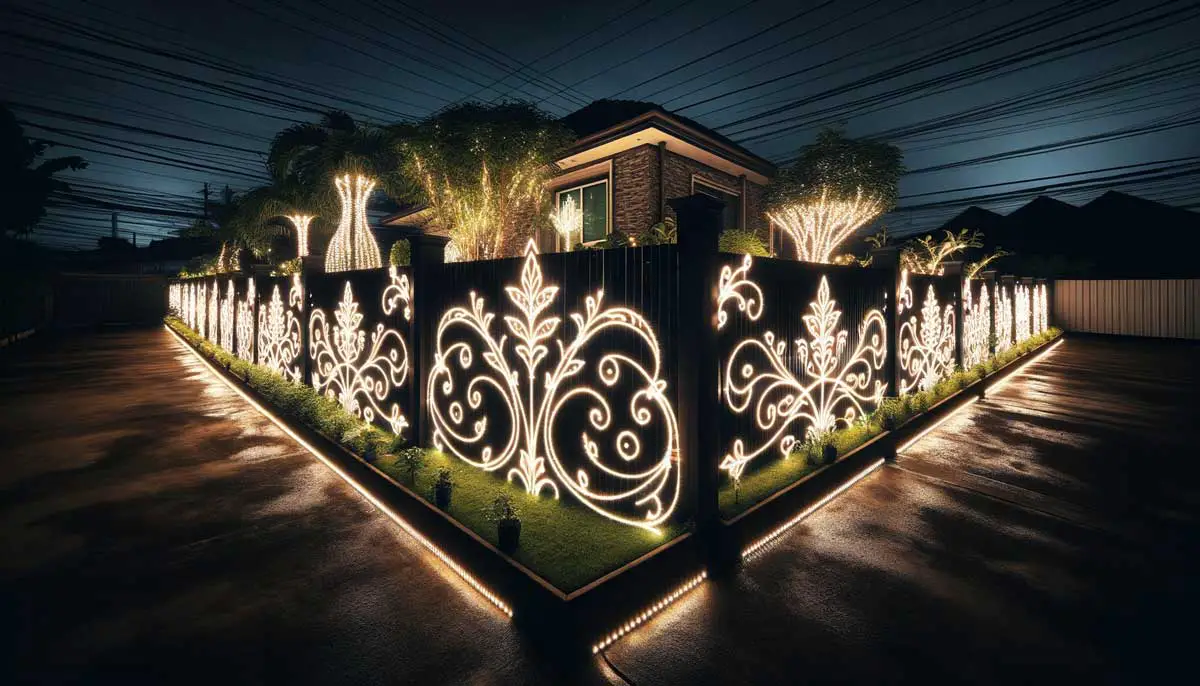
A garden is a great place to relax during the day, but at night it can turn into a hiding spot for raccoons and the occasional stray football.
Adding outdoor lights solves this quickly by highlighting your garden’s best features. It also saves you from that awkward moment of almost tripping over a garden hose during a late-night stroll.
Today, in this article, we’ll take a look at six garden lighting techniques that’ll make your landscape look more impressive after dark settles in.
So, without further ado, let’s dive in.
1. Spotlighting

Every garden has that one special feature that deserves to stand out from everything else in the yard. Spotlighting is a simple but powerful garden lighting technique that can highlight that one special feature in your outdoor space.
This approach uses a narrow, focused beam aimed directly at a chosen feature in your garden. This can be done by mounting a directional fixture on the ground or on a nearby surface, then carefully aiming the fixture’s beam at a selected focal point.
By tightening the focus of the light, you create a clear center of attention that naturally draws the eye. That strong contrast between the bright subject and the darker surroundings makes the garden feature you chose to highlight an instant standout.
Spotlighting is a great technique to include in your garden setup because it helps guide how guests experience your landscape at night. It lets your best features shine while keeping less appealing corners from stealing attention.
To make the most of this lighting technique, here are a few practical tips to keep in mind:
- Position the fixture far enough back so the beam fully covers the object.
- Choose a fixture with an adjustable shield around the bulb to reduce glare and keep guests comfortable.
- Select warm white LED bulbs to make natural textures like stone, wood, or sculpture look more pleasing.
- Angle the light slightly upward so the surface of your feature does not look flat or overly harsh.
- For larger objects, use two fixtures from different angles to reduce dark patches and create balanced coverage.
2. Silhouetting

Some plants have such striking shapes that their outlines deserve a bit of the spotlight, and that’s exactly what silhouetting does. If your yard is lit only from the front, you miss the bold architectural forms hiding in those plant structures.
Silhouetting is a garden lighting technique that places a fixture behind the feature and points the beam toward a flat surface like a wall or fence. The light spreads across that smooth backdrop while the plant itself stays unlit from the front, forming a strong outline.
The result is a clear, dramatic shape that stands out against the illuminated background. Instead of focusing on color or surface detail, this technique highlights the structure and form of the plant.
You should consider adding this setup to your garden because it adds depth to otherwise plain boundaries. It turns ordinary fences and walls into visual features that make your outdoor space feel more layered and interesting.
If you’d like to give this lighting method a try, here are a few helpful tips to consider:
- Select plants with strong, defined shapes such as topiary shrubs or ornamental grasses for the cleanest outlines.
- Hide the fixture completely behind the base of the plant so no direct bulb is visible.
- Use a light-colored, neutral backdrop so the dark outline stays crisp and easy to notice.
- Choose a wide floodlight fixture to spread light evenly across the surface behind the plant.
- Trim stray branches regularly so the shape stays clear and recognizable throughout the year.
3. Moonlighting

Natural moonlight has a calming charm that makes any outdoor space feel peaceful on a clear night. That is exactly why moonlighting is inspired by it, even though real moonlight only shows up in full strength once a month, leaving most evenings feeling a bit dull and flat.
This method involves mounting light fixtures high up in the branches of tall, mature trees. The fixtures are angled downward so the light filters through the leaves and gently spreads across the ground below.
This downward direction creates a soft, natural effect that feels easy on the eyes. It also casts shifting leaf shadows across lawns and pathways, almost like nature decided to do a bit of decorating on its own.
You should consider incorporating this lighting method into your garden because it makes outdoor spaces more useful in the evening. It improves visibility across wide areas while still keeping the atmosphere calm and comfortable for relaxing or entertaining.
To make the most of this garden lighting technique, here are a few useful tips to guide you:
- Mount the fixtures at least twenty feet above the ground to get a more natural downward spread.
- Use low-voltage LED bulbs with a cool white tone to better mimic real moonlight.
- Secure cables to the tree trunk using flexible straps so the tree can continue growing freely.
- Install fixtures on inner branches so they stay hidden from view during daytime.
- Clean the lenses twice a year to clear away leaves, dust, and spiderwebs that may block the light.
4. Grazing

Many gardens feature beautiful stone retaining walls or textured wooden fences that lose their character when the evening sets in. That is where grazing comes in, since standard lighting often flattens these surfaces and makes even premium garden structures look plain and forgettable.
Grazing is a lighting technique that places a light fixture very close to a flat vertical surface, like the retaining walls or nearby fences in your garden. It is done by setting the light fixture just inches from the base and aiming the beam straight upward along the face of the garden structure you wish to highlight.
By keeping the light tight against the surface, the texture suddenly becomes the main character. High points catch the light while small crevices fall into shadow, creating strong depth and detail that feels almost sculpted.
You should consider adding this setup to your outdoor lighting design because it makes boundary features look more refined. It upgrades simple partitions into design elements that instantly add character to your garden.
If you wish to try this garden lighting technique, here are a few tips to keep in mind:
- Highlight heavily textured surfaces such as rough stone walls, brick borders, or coarse wooden fences for the best results.
- Space fixtures evenly along the wall so the light feels consistent from end to end.
- Use well-lights set flush in the soil if you need to keep lawn trimming neat along the edge.
- Choose fixtures with a narrow beam so the light stays close to the surface and avoids spilling outward.
- Go for durable, waterproof brass housings since these fixtures often sit near damp soil and garden edges.
5. Uplighting

Impressive garden features often fade into the darkness because regular overhead lighting does not really show their full character. That is where uplighting comes in.
Uplighting is a lighting technique that can instantly bring out the character of any garden feature you wish to highlight. This method places a fixture directly on the ground and aims the beam upward.
This upward angle highlights any natural structure or feature in a striking, dramatic form. It also reveals small details such as shapes and textures that usually go unnoticed and get lost in the shadows.
Incorporating uplighting into your overall garden lighting design is ideal if you’re aiming for a more polished and high-end landscape look. It helps turn your outdoors into a sophisticated, well-balanced, and visually interesting space comparable to luxurious hotel gardens.
If you’d like to give this garden lighting idea a try today, here are some helpful tips that can guide you:
- Highlight tall trees with open branch structures, such as maples or oaks, for the strongest effect.
- Position the fixture close to the base of the trunk to catch natural bark textures clearly.
- Add a glare shield over the fixture to keep the light comfortable for people passing nearby.
- Secure the housing firmly into the soil using stakes so it stays in place during lawn maintenance.
- Choose energy-efficient LED bulbs to keep power use reasonable during long evening hours.
6. Shadowing

Garden spaces don’t just disappear at night—they often lose their personality. That’s where shadowing becomes useful, turning these spaces into something far more expressive and visually engaging.
Shadowing is a unique garden lighting technique that can upgrade any garden space in an instant. It is done by placing a light fixture directly in front of a chosen plant. You then aim the beam through the foliage of this plant toward a flat surface behind, like a wall or fence, letting the plant act like a natural screen.
As the light passes through the leaves and branches, it casts beautiful patterned shadows on the surface behind it. This lighting technique provides an interesting visual effect, especially when a light breeze moves the leaves and branches, shifting the patterned shadows gently across the plant’s backdrop.
You should consider adding this setup to your garden if you want to give plain vertical surfaces more visual interest. It turns these garden surfaces into natural decorations that make your landscape feel more dynamic and purposeful.
To make the most of this garden lighting technique, here are a few practical tips to consider:
- Select plants with light, airy structures such as Japanese maples or ferns to form clearer patterns.
- Move the fixture closer to the plant base if you want a larger projected shape on the wall.
- Keep the background surface free of climbing vines so the patterns are easy to see at night.
- Use a fixture with a wide beam spread to cover the full width of the foliage.
- Secure the light firmly in the ground so the projected pattern stays steady.
Elevate Your Garden with These Lighting Techniques
Your garden does not stop being interesting when the evening sets in, it just needs a few thoughtful lighting choices that can change how the whole space looks and feels.
The lighting techniques we’ve discussed in this article can instantly elevate your garden’s appeal, making it even more attractive, especially in the evening hours.
From spotlighting to shadowing, these techniques have shown that all you need are some simple adjustments and smart lighting designs to turn your garden into a nighttime oasis.
So what are you waiting for? Pick one or two of these techniques and see what fits your own space best. Start small, adjust as you go, and let your garden reveal a different side of itself once the evening comes.