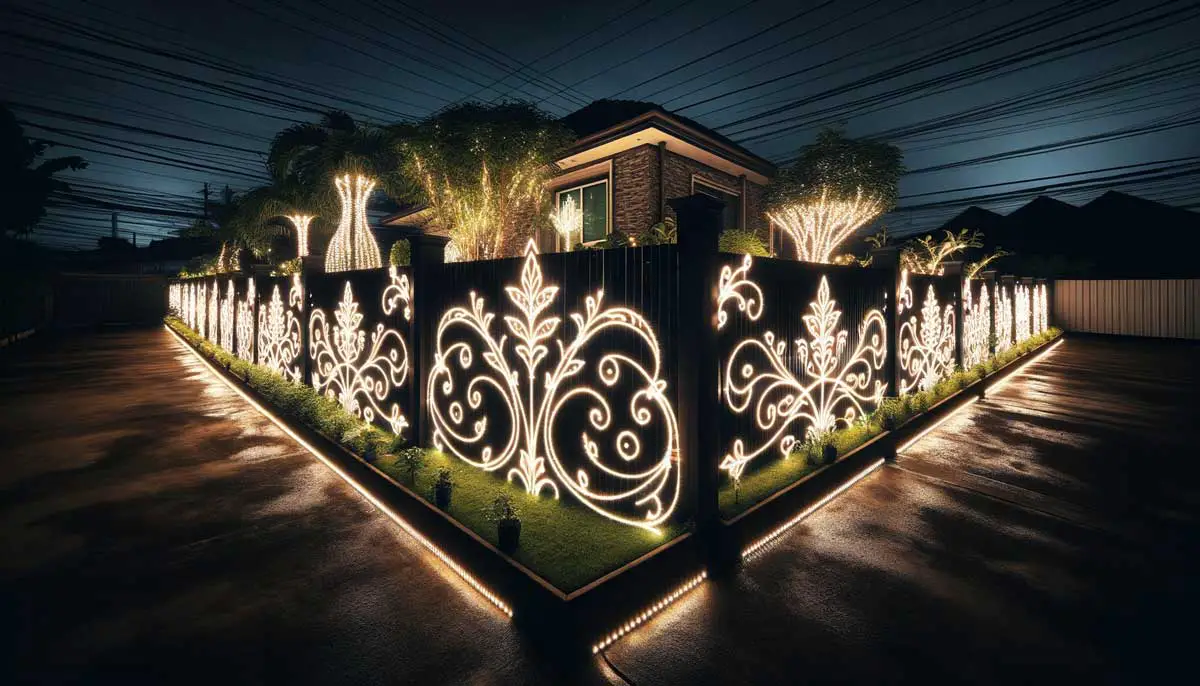
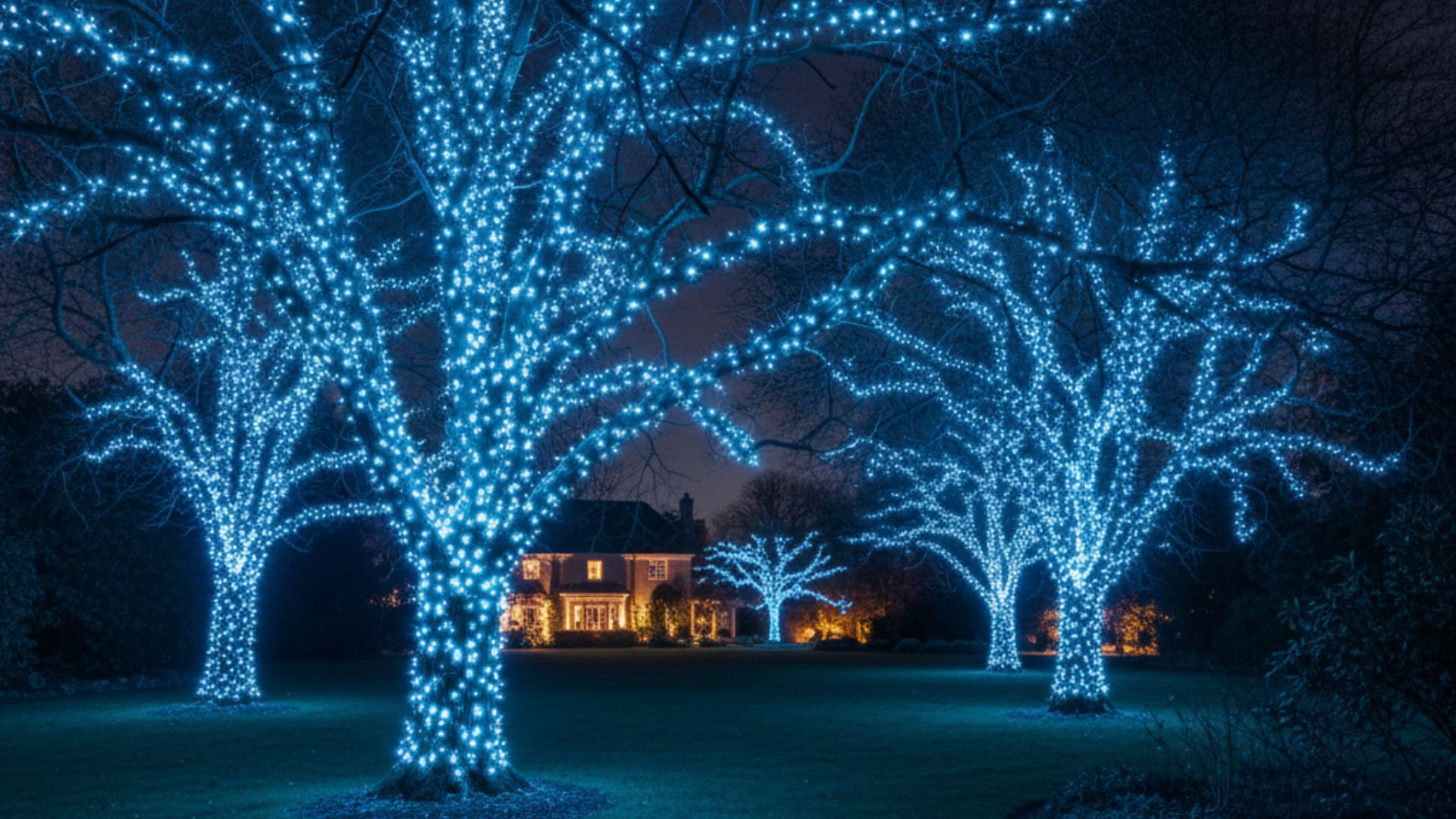
Your front yard is full of life when the sun is up, but it often loses its charm once evening arrives. Leaving your home in the dark or relying on a basic porch light means missing out on a great chance to highlight this space’s best features.
Fortunately, bringing out that hidden personality does not require a complicated renovation. With the right approach, you can easily upgrade your front yard and make it the envy of your neighborhood.
Today, in this article, we will go over six easy outdoor lighting ideas that will instantly add character and warmth to your front yard.
So, without further ado, let’s get started.
1. Uplighting

Uplighting is a lighting technique that involves placing light fixtures on the ground and angling their beams upward. This specific setup completely flips the script on traditional illumination by highlighting your landscape from a lower perspective.
By shining light upward, you reverse the natural shadows created by daytime sun. This unusual contrast instantly draws attention to the grand height of your trees or the beautiful architectural peaks of your home, making the whole property look majestic.
In addition to looking great, this approach adds depth that prevents your front yard from looking flat at night. It also increases property safety by casting a wide, gentle glow that naturally brightens the surrounding open spaces.
You should definitely try this setup if you want maximum visual impact with minimal effort. It is perfect for homeowners who have mature trees, large columns, or a two-story façade that deserves to be seen after dark.
If you’d like to give this idea a try, here are a few practical tips to keep in mind:
- Angle the bulbs slightly away from walkways and windows to prevent glare from hitting your eyes or shining into bedrooms.
- Select fixtures with adjustable knuckles so you can easily redirect the beam as your garden grows and changes shape over time.
- Place lights beneath wide tree canopies to trap the illumination within the leaves and create a warm, glowing ceiling effect.
- Use a cross-lighting method with two fixtures aimed at a single large object from different angles to eliminate harsh, unwanted shadows.
2. Spotlighting

Spotlighting is a focused lighting technique that directs a narrow beam toward a specific feature or object. Unlike fixtures that spread illumination across a wide area, spotlights isolate a single point of interest and make it stand out in the dark. This technique is ideal if you wish to highlight a particular feature in your front yard.
By narrowing the focus, this lighting technique creates an instant focal point that breaks up the surrounding darkness. This selective visibility upgrades your front yard’s character by setting a clear visual hierarchy, so the best parts of your landscape get noticed first.
One major advantage of this approach is guiding a visitor’s eyes exactly where you want them to go, while adding a slightly more refined and elegant feel to the exterior.
Try this method if you want front yard objects like statues or a unique-looking tree to feel like nighttime centerpieces that deserve their own attention.
To make the most of this outdoor lighting technique, here are a few helpful tips to consider:
- Mount the light source on a nearby tree branch to direct it down toward a flower bed for a clean, focused display.
- Select bulbs with a tight beam spread, usually between fifteen and thirty degrees, to reduce spill onto surrounding grass.
- Adjust the distance between the fixture and the object to control brightness and the size of the illuminated circle.
3. Grazing

Grazing is an outdoor lighting technique where fixtures are placed very close to a flat surface and pointed straight up or down. The goal is to reveal surface details by keeping the light tight against the material of the feature you wish to highlight.
Because the light stays so close, it creates small shadows along every bump, groove, and uneven spot. This makes the surface look more interesting and gives plain walls or façades a stronger presence.
This method also highlights the craftsmanship of your home. It can make simple exterior materials like stone or brick look more polished and noticeable.
If you’d like to give this technique a try, here are a few useful tips to guide you:
- Place fixtures within six inches of the wall so the light stays close to the surface.
- Space the fixtures evenly along the base to avoid dark gaps between lighted areas.
- Hide the fixtures in a ground well so they are not visible during the day.
- Aim the lights downward from the roofline when you want to highlight upper walls or porch details.
4. Moonlighting

If you want to bring a natural, soft glow to your front yard while upgrading its character at the same time, moonlighting is a technique that you should try. Designed to imitate the soft, natural look of moonlight, this technique is achieved by installing fixtures high up in large trees, and letting the light from these fixtures stream down through leaves and branches.
The light passing through the leaves and branches create shifting shadow patterns on the ground below, instantly upgrading your property’s look and ambiance.
This approach also works well for practical lighting needs. It spreads light across wide areas like driveways and lawns, while reducing harsh glare at the same time since the fixture is partially hidden among the branches.
Moonlighting is a good choice for homeowners who prefer a natural, relaxed look instead of something bold or dramatic. It also works best in front yards with tall, mature trees and wide canopies covering paths or open yards.
To make the most of this outdoor lighting technique, here are a few practical tips to keep in mind:
- Use cool-white bulbs around 5500 Kelvin to match the soft, silvery tone of natural night light.
- Secure fixtures with adjustable tree straps so the bark can continue growing without damage.
- Install lights at least twenty feet above the ground to achieve a realistic downward angle.
- Run low-voltage cables along the back of the trunk to keep wiring out of sight from the street.
- Position lights slightly off to the side of main branches so the beams pass cleanly through the leaves onto the ground.
5. Layered Lighting

Combining multiple types of lighting into a single cohesive system is known as layered lighting. This approach mixes ambient background light, functional task lighting, and decorative accent points to create a balanced outdoor setup.
By blending these elements, you avoid harsh dark patches and overly bright spots across your property. The result adds depth and structure to your front yard, making the whole space feel more interesting and visually alive.
One major benefit of this setup is that it improves both safety and visual appeal at the same time. At the same time, it upgrades your front yard’s character by turning simple outdoor areas into something that feels more refined and polished.
This method works well for homeowners who want an outdoor look that stands out in a subtle but noticeable manner. It is especially useful for yards with walkways, mature trees, and architectural details that deserve different levels of emphasis.
Here a few more tips to help you make the most of this technique:
- Pair soft path lights with brighter entry lanterns to create a smooth shift from driveway to front door.
- Assign each lighting layer to a separate transformer zone so brightness can be adjusted on its own.
- Use low-wattage bulbs for accent lighting so they support the scene instead of overpowering it.
- Install smart dimmers to gently reduce overall brightness later in the evening.
- Check the view from the street to make sure path lights and wall fixtures do not compete and stay visually balanced.
6. Decorative Lighting

Decorative lighting focuses on choosing fixtures that act as design features during the day and attractive light sources at night. Instead of hiding them in landscaping, you pick lanterns, sconces, or post lights that work with your home’s overall architecture.
By letting the fixtures stay visible, you add another layer of personality to your entrance. This approach upgrades your front yard’s character by boosting curb appeal at all hours, so your home still looks inviting even when the decorative lights are turned off.
One big benefit of this design-focused approach is the welcoming feel it creates in your front yard. These fixtures add a cozy, pleasant look that makes the entry feel like an extension of your indoor living space.
It also works well for homeowners who want their exterior to reflect their personal style. It is especially useful for plain garage fronts, dim driveway entrances, or simple-looking yards that need more presence.
Here are a few more tips to consider:
- Match the metal finish of wall sconces with the hardware on your front door for a consistent look.
- Choose path lights with geometric cut-outs that cast decorative shadow patterns on walkways.
- Hang a single statement pendant above porch seating to create a clear focal point.
- Install matching post lanterns on pillars at the gate to define the entrance.
- Use clear glass fixtures with vintage-style LED Edison bulbs for a classic, warm-toned effect.
- Install decorative stake lights in flower beds or along pathways for an added personality.
Elevate Your Front Yard’s Character with Outdoor Lighting
Your front yard does not need to sit idle just because the evening sets in. Giving this part of your property a nighttime refresh can instantly make your home stand out in the neighborhood.
In this article, we’ve explored different outdoor lighting techniques that can immediately upgrade your front yard’s character and take it to the next level. From uplighting to using decorative fixtures, we’ve seen how these techniques easily improve the look and ambiance of any front yard.
So what are you waiting for? If your front yard badly needs a makeover today, here are some of the best ideas you can try out. Pick one or two depending on your style, and transform your front yard into the best version that it can be.