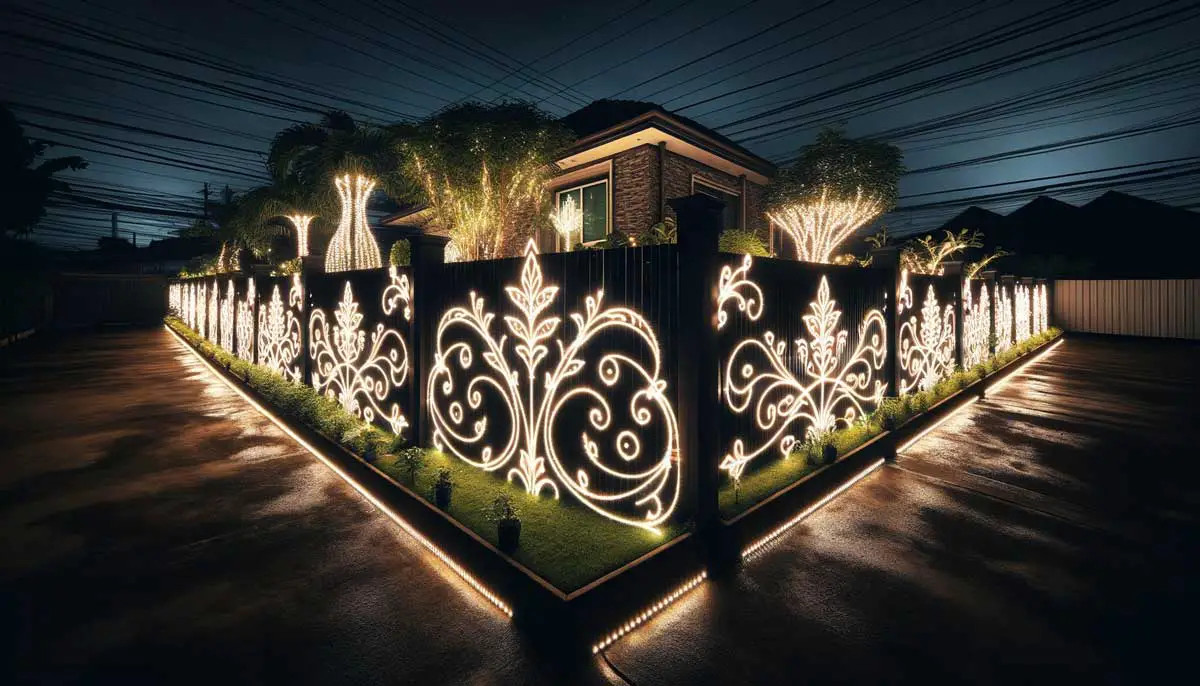
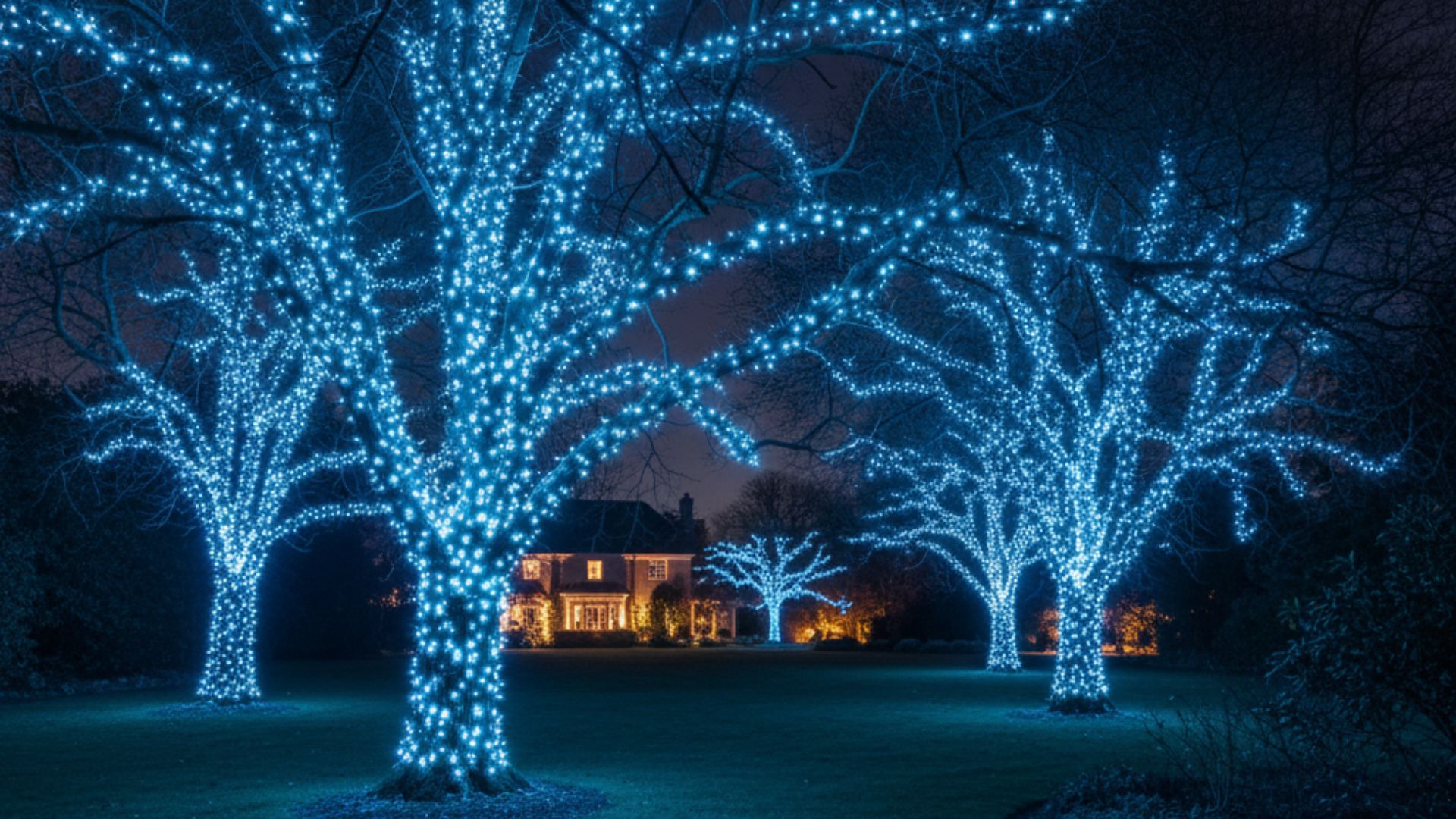
Most homeowners buy a box of path lights, line them up along walkways, and stop there. Sure, that setup helps people safely reach the front door, but it only uses a small part of what these fixtures can really do for your outdoor lighting design.
The moment you start thinking beyond pathways and walkways, path lights become much more useful. They are low-profile lighting pieces that can cast a soft glow anywhere your yard needs extra warmth, depth, or visibility after dark.
In this article, we’ll look at six creative ideas for using path lights outdoors so you can get more value from them and completely change the look and feel of your outdoor space.
So without further ado, let’s get started.
1. Path Lights as Garden Accents

Path lights can do much more than light up a walkway near your front door. They also help flowerbeds and garden spaces stand out at night instead of fading into darkness. With the right placement, these small fixtures can turn ordinary planting areas into eye-catching parts of your yard.
Many modern fixtures come in stylish designs that blend naturally with flowers, shrubs, and ornamental grasses. Their soft glow adds depth to leaves and blooms while giving your landscape a calmer and more refined appearance.
This lighting idea is simple to try and does not require a major yard makeover. A few carefully placed fixtures can highlight your favorite plants and make your landscape look more detailed and organized. After trying this setup, you may start seeing your nighttime yard from a whole new perspective.
Here are a few practical tips to guide you when using path lights as garden accents:
- Place path lights inside thick garden beds to create soft leaf shadows across nearby grass areas.
- Position fixtures near the base of mature trees to highlight the texture and shape of the trunk.
- Line the edges of raised planters with evenly spaced lights to make the structure stand out more clearly.
- Use different fixture heights in large flowerbeds to create a layered lighting effect throughout the garden.
2. To Illuminate Borders and Perimeters

Dark yard edges can make even a large outdoor space look smaller and harder to see at night. Path lights help solve this problem by outlining the borders of your property with warm, low-level lighting. This simple setup helps fences, walls, and landscape edges stand out more clearly after daylight fades.
Adding light around the perimeter also helps guide your eyes across the full size of the yard. Instead of disappearing into darkness, the edges of the landscape stay visible and connected to the rest of the space. This extra visibility can also help reduce deep shadows near tree lines, fences, and corners.
Path lights can work well beside walls or along fences. Even a small row of lights can give the entire yard a more defined nighttime appearance.
If you’d like to give this idea a try, here are some helpful tips to keep in mind:
- Place path lights along the back edge of your property to make the full yard outline easier to see at night.
- Install fixtures beside fence corners to help define sharp turns and boundary lines around the yard.
- Position fixtures beside long side-yard fences to prevent those narrow areas from disappearing into darkness.
3. Highlighting Water Features

Backyard ponds, fountains, and streams can look completely different at night with the help of path lights. Without proper lighting, these water features often blend into the darker parts of the yard and lose much of their visual detail. A few carefully placed fixtures can help water surfaces, surrounding stones, and nearby plants stand out more clearly during the evening.
You do not need costly underwater lighting systems to highlight these areas successfully. Standard downward-facing fixtures can cast light across moving water, creating reflections across rocks, plants, and nearby surfaces. This added visibility can also help guests notice pond edges, waterfalls, and deeper sections of water more easily.
To make the most of this idea, here are some useful tips to consider:
- Place fixtures behind large pond rocks to create shadows and highlight the shape of the stones.
- Install fixtures near the bottom of waterfalls to highlight moving water and splashing details.
- Choose brass or copper fixtures that can handle constant moisture around ponds and fountains.
- Space lights along the edge of small garden streams to help define the flow of the water feature.
- Position fixtures near decorative water plants to highlight their shape and texture at night.
- Add lights around fountain bases to make the structure stand out more clearly in the yard.
- Use warm-toned bulbs to create a calmer look around reflective water surfaces.
4. Lighting for Outdoor Stairs

Multi-level yards can get tricky to move through at night, especially when stair edges blend into the shadows. Path lights help make each step easier to see by adding steady light along the walking surface. With better visibility, stair areas become safer and more defined parts of the landscape.
Unlike built-in step lights that require drilling or cutting into stone and wood, path lights offer a simpler setup. Their downward-facing design directs light straight onto each step where the feet land. This keeps the walking surface visible without sending strong brightness into eye level.
This type of lighting also highlights the different levels across your yard in a clearer, more structured look.
To make the most of this idea, here are a few tips to keep in mind:
- Place fixtures on alternating sides of the steps so the light spreads more evenly across the staircase and reduces harsh shadows.
- Position lights slightly off to the side of the steps instead of directly in the walking path to avoid obstruction.
- Add lights near handrail posts to help define the staircase structure more clearly.
- Use fixtures with sturdy stakes or mounts to keep them stable on soil, gravel, or loose ground beside steps.
- Install additional lights on landings or flat sections between stair runs to help guide transitions between levels.
5. Front Gate Lighting

The front gate is the first part of your property people see when they arrive. A dark entrance can make it harder to locate the latch and creates unnecessary guesswork at the entry point. Adding proper lighting here helps define the boundary and makes the transition into your yard much clearer.
Large wall sconces or heavy pillar lights can sometimes overpower a simple gate setup. Path lights work better for this area because they sit low to the ground and cast light right where it is needed most. This helps highlight the gate opening, latch area, and the ground near the entrance while keeping the overall look simple.
Lighting around the entry point also improves curb appeal and keeps the space easy to approach and use. Placing fixtures along the gate line helps guide attention toward the entrance while keeping the layout clean and straightforward.
Here are a few simple tips to guide you:
- Place one fixture on each side of the gate to clearly mark the entry point.
- Check how the gate swings before installing fixtures to make sure movement stays clear.
- Use lights with a wider beam so both the ground and latch area stay visible.
- Run low-voltage cables along mulch or gravel beds to keep wiring out of direct sight.
6. Illuminating Seating Areas

Outdoor seating areas work best when they support quiet conversations and relaxed moments. Too much brightness can make these spaces feel uncomfortable and hard to settle into. With the right lighting setup, these spots stay useful and easy to enjoy even later in the evening.
Strong floodlights and bright overhead fixtures often wash out the space. Path lights fit these areas better because they stay low and direct light toward the ground where it is needed most. This setup keeps visibility clear for furniture and walkways while keeping attention away from harsh overhead brightness.
Adding these fixtures around seating areas is a simple upgrade that can change how the space is used. They work well around fire pits, along patio edges, or beside garden benches tucked into quiet corners. Even incorporating a few path lights around your seating area can make this part of your outdoors easier to use and more comfortable for gatherings.
Here are a few practical tips to guide you if you’d like to give this idea a try:
- Use warm white LED bulbs around 2700K to create a softer evening tone similar to firelight.
- Place fixtures in large planters beside seating areas when installing directly into the ground is not possible.
- Choose fixtures with solid top covers so light is directed downward toward walkways and seating edges.
Illuminate Your Outdoors Like Never Before with Path Lights
It is officially time to liberate your path lights from the strict confines of pathways and walkways. These small fixtures can do much more than guide steps or light up a simple path.
In this article, we explored how these low-profile fixtures can outline borders, highlight water features, and improve visibility around outdoor stairs.
They also work well around seating areas, entry gates, and garden plants that deserve more attention in the evening. Using path lights in these parts of the yard helps each of these areas stand out once the sun goes down.
So what are you waiting for? Go get your path lights and start transforming your outdoor space into a well-lit property you’ll love spending your time in.