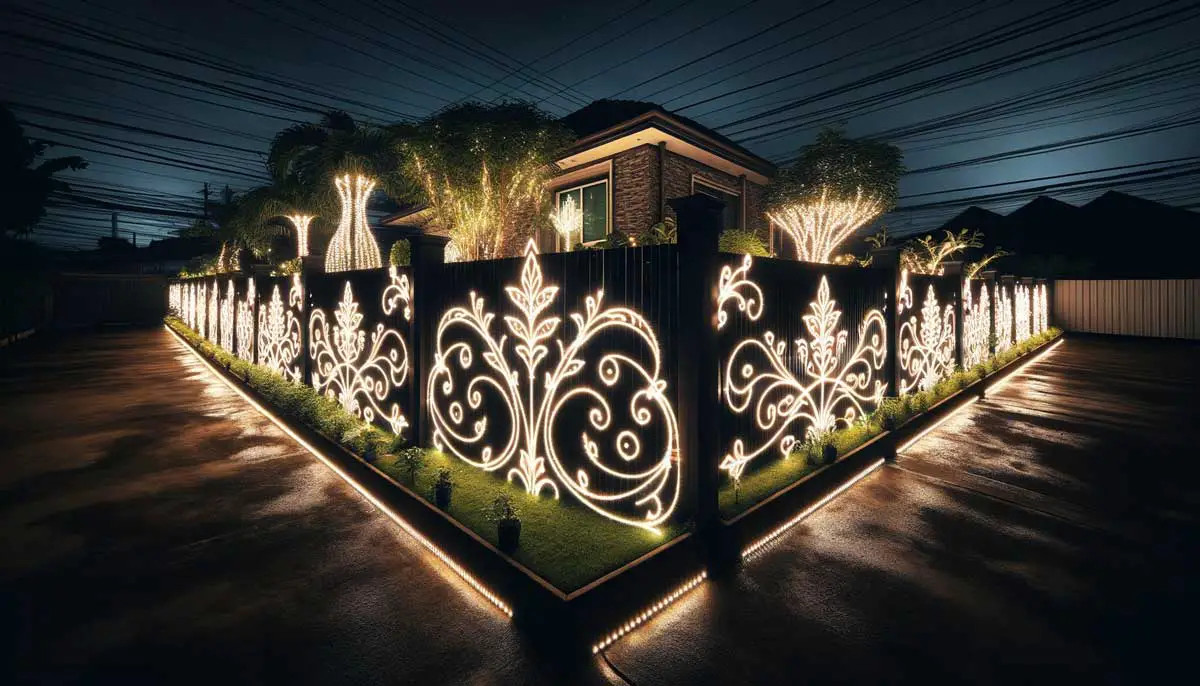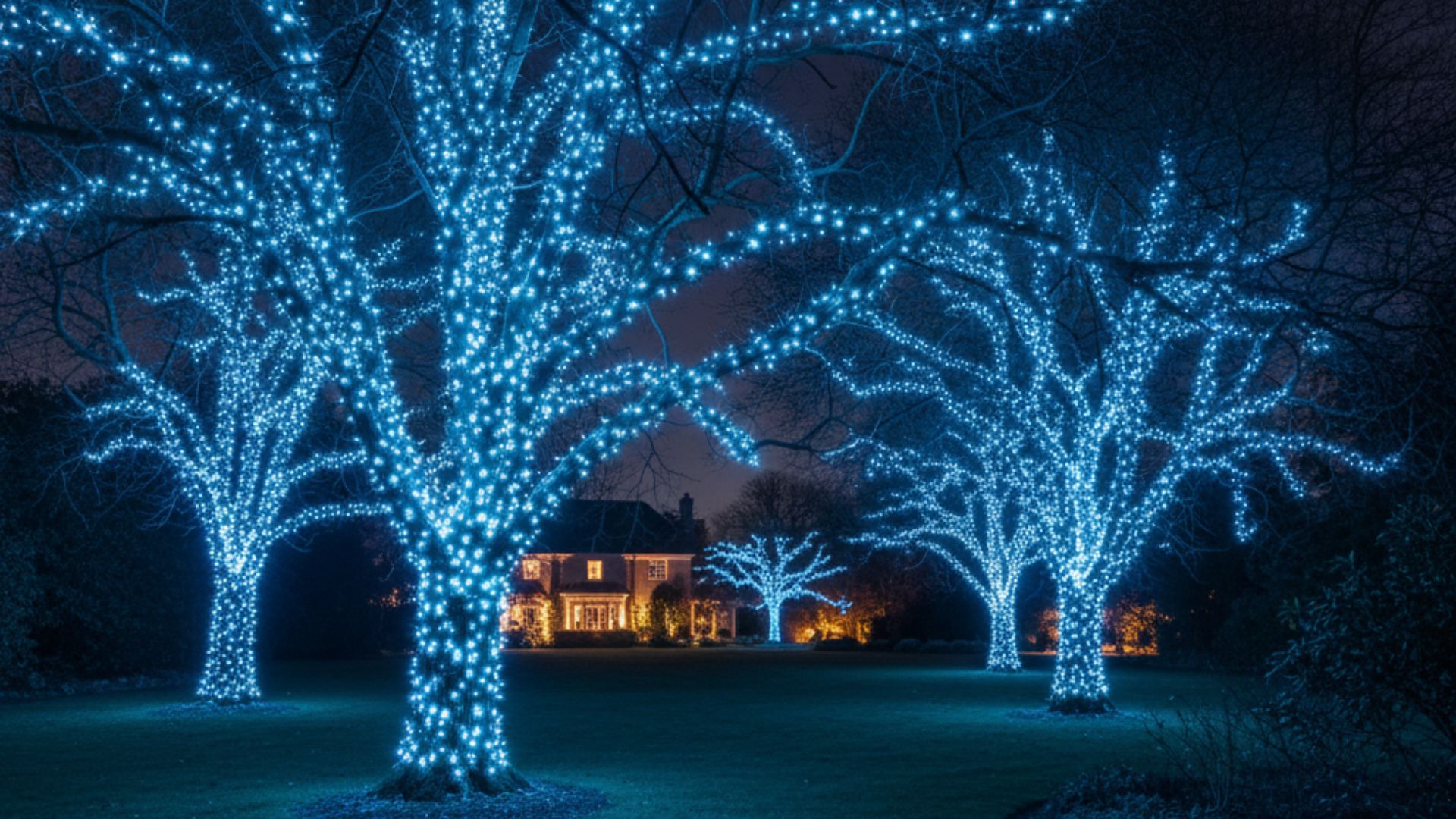
It’s all fun and games until someone trips over a poorly lit pathway, or your patio looks like a stage at a rock concert. Yep, good lighting can seriously up your home’s game, but it’s surprisingly easy to fumble the ball.
Many dive into this project with the enthusiasm of a kid in a candy store, only to end up with a hodgepodge of lights that don’t really work together. It’s crucial to take a step back and plan before you start planting those fixtures. Think of it like putting together a puzzle; each piece needs to fit just right.
Choosing the wrong lights or placing them haphazardly can turn your functional outdoor space into a beacon of missteps. So, if you’re ready to light up your lawn like a pro and avoid turning your driveway into an accidental runway, let’s get into it. Without further ado, here are the common mistakes to avoid when decking out your digs with lights.

1. Skipping the Planning Phase
Who needs a plan when you’ve got enthusiasm, right? Wrong. Diving into installing outdoor lights without a clear plan is like going grocery shopping hungry—you’ll end up with a bunch of stuff you don’t need.
Without a plan, it’s easy to buy lights that look cool on the shelf but don’t quite work in your space, leaving you with a hodgepodge that lacks cohesion and purpose. It’s better to step back and draft a game plan before you step into the store.
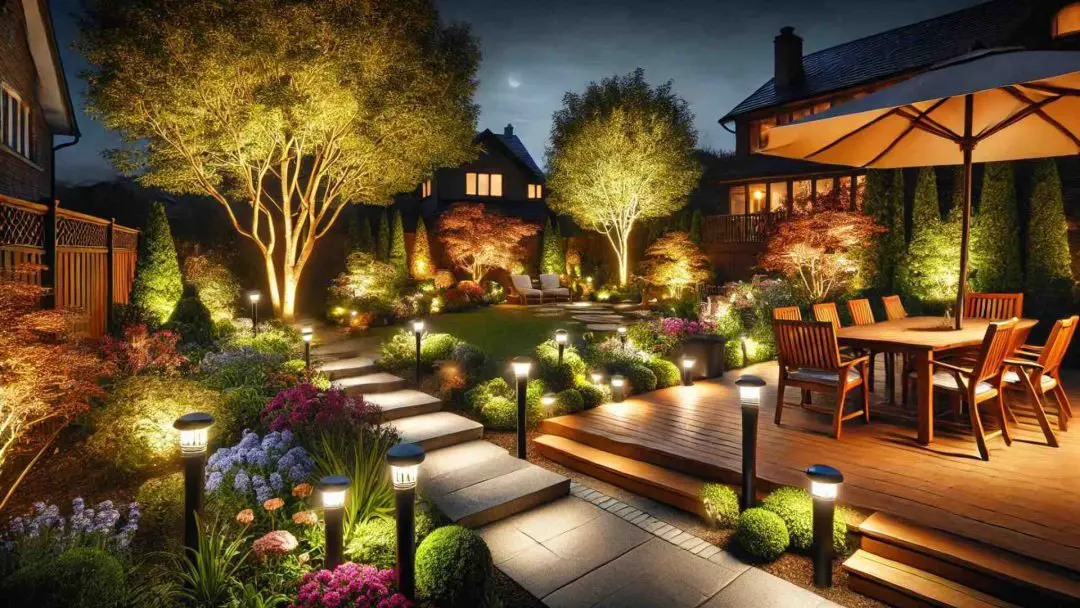
Start by thinking about what you want to achieve with your outdoor lighting. Is it safety, curb appeal, or maybe a bit of both? Map out where each light should go, keeping in mind the activities that take place in different parts of your yard. This isn’t just about where the light goes; it’s also about choosing the right type of light for each spot.
If you don’t plan, you’re planning to fail, as they say. So grab a pencil, some paper, and maybe a beverage—it’s planning time. Don’t forget to take into account things like how your plants will grow or how the light can enhance your home’s best features.
Solutions and Tips:
- Draft a comprehensive lighting plan.
- Consider the function and purpose of each light.
- Think about future changes like plant growth or home renovations.
2. Ignoring Lighting Layering
Layering is for cakes and clothes, but it’s also crucial for your lights. Relying on a single type of lighting across your backyard is like using only one spice in your food—it can get bland real fast.
Layering your outdoor lighting ensures that you get the right mix of ambient, task, and accent lighting, making your space not only functional but also inviting.

Ambient lighting sets the overall mood of your outdoor space, task lighting makes sure you don’t trip over the garden gnome, and accent lighting highlights your prized rose bush or that fancy fountain. Most people slap on some floodlights and call it a day, which can flood your space with too much light, washing out the night’s beauty. Instead, use a mix to create depth and intrigue.
Aim for a balanced approach that considers all aspects of your space. Start with a base of ambient light and then add specific task lights where needed. Finish off with accent lights that draw attention to special features. This way, your backyard won’t just look good; it’ll look great.
Solutions and Tips:
- Use a combination of ambient, task, and accent lighting.
- Adjust the lighting based on the area’s specific needs.
- Don’t overpower your space; balance is key.
3. Incorrect Fixture Choice
Ever bought a really fancy chair that ended up being more of a room ornament than a place to sit? It’s easy to fall for a light fixture’s charm without considering its practicality for outdoor use. Choosing the wrong fixtures can lead you to a path of maintenance nightmares and less-than-ideal lighting.
Outdoor lights need to be tough enough to withstand the elements. That chic paper lantern might not be the best choice for an area that gets lots of rain or snow. It’s important to choose materials that can handle your local weather, like durable metals or hard plastics, and make sure they’re rated for outdoor use.

It’s not just about surviving the weather, though. The fixtures should also fit the scale of your space and provide the right amount of light. A tiny light in a big garden can feel like a drop in the ocean, while a too-bright light can make your cozy patio feel like a police interrogation room.
Solutions and Tips:
- Choose weather-appropriate and durable materials.
- Match the fixture size to the space.
- Ensure the lighting intensity is just right for the area.
4. Neglecting Energy Efficiency
It’s tempting to light up your outdoor spaces like a Christmas tree, but let’s not forget the electric bill. Using energy-inefficient lights isn’t just harsh on your wallet; it’s also not great for our planet.
With a shift towards greener solutions, sticking with old, power-hungry bulbs can feel a bit like driving a gas guzzler when you could be cruising in an electric vehicle.

LEDs are the superheroes of the lighting world. They use less power, last longer, and come in a range of colors and intensities, perfect for any outdoor setting. Yet, many people stick to traditional halogen or incandescent bulbs because they’re cheaper upfront. However, the long-term savings from LEDs can significantly outweigh the initial cost.
Don’t just stop at swapping bulbs. Consider integrating timers or motion sensors to maximize energy efficiency. These nifty gadgets ensure lights are only on when needed, preventing energy waste and adding an extra layer of security by deterring would-be intruders with motion-triggered lights.
Solutions and Tips:
- Switch to LED lighting for better energy efficiency.
- Install timers and motion sensors to reduce wastage.
- Evaluate the long-term savings over upfront costs when choosing bulbs.
5. Overlooking Installation Safety
When it comes to installing outdoor lighting, cutting corners on safety can lead to shocking outcomes—literally. It’s crucial not just for the functionality of your lighting but for the safety of everyone around.
Many homeowners dive into DIY installations armed with more enthusiasm than expertise, which can lead to improper wiring and unsafe setups.

Electrical installations outdoors require careful handling and adherence to safety codes. Waterproof connectors, proper grounding, and secure mountings are not just recommendations; they’re necessities. Unfortunately, these details often get overlooked in the rush to light up the night, setting the stage for potential electrical hazards.
Bringing in a professional might seem like an extra expense, but when it comes to mixing electricity and the great outdoors, it’s a wise investment. Professionals ensure that all installations meet safety standards, which not only protects your home but also keeps your insurance provider happy. Plus, they can often spot issues that untrained eyes might miss.
Solutions and Tips:
- Always adhere to local electrical safety codes.
- Consider hiring a professional electrician for installation.
- Use weatherproof and safety-approved fixtures and equipment.
6. Ignoring Ongoing Maintenance
Set it and forget it? Not so fast. Outdoor lighting requires ongoing maintenance to keep it looking its best and functioning properly. Neglect here can lead to dim lights, rusted fixtures, or even complete outages, turning your beautifully lit landscape into a spooky, shadowy mess.
Regular cleaning and occasional bulb replacement are part of the upkeep that extends the life of your lighting. Outdoor lights are especially prone to dirt, debris, and exposure to harsh weather conditions, all of which can degrade their performance over time. Simple actions like wiping down fixtures and checking for water ingress can save a lot of headaches later.

Also, consider the changing seasons. Adjusting your lighting setup to accommodate longer summer days or icy winter conditions can make a big difference in performance and safety. For instance, path lights might need more frequent checks in winter when ice and snow can obscure them.
Solutions and Tips:
- Schedule regular maintenance checks.
- Clean and replace bulbs as needed to maintain optimal lighting.
- Adjust lighting setups seasonally to ensure consistent performance and safety.
7. Ignoring Local Regulations
Every area has its own set of rules and regulations regarding outdoor lighting, and ignoring these can lead to fines or required removals. Sometimes homeowners install lights without checking if they comply with local dark sky ordinances or if they require specific types of fixtures to minimize light pollution. It’s all fun and games until the local council steps in.
Before buying any fixtures, it’s wise to check in with your local planning department or homeowners’ association. They can provide guidelines on what’s allowed and what’s not, helping you avoid costly mistakes. This step is often overlooked but can save you from having to redo your entire setup.

Remember, regulations are not there to hinder your creativity but to ensure that all residents have a pleasant living environment. Adhering to these rules can also help prevent disputes with neighbors over intrusive or excessive lighting.
Solutions and Tips:
- Check local lighting regulations before installation.
- Consult with homeowners’ associations if applicable.
- Choose fixtures that comply with local guidelines to avoid legal issues.
8. Forgetting Aesthetic Balance
Lighting is as much about function as it is about form. A common blunder is to install lights that provide good illumination but clash with the home’s architecture or the garden’s design. This can disrupt the visual harmony of your space and detract from your home’s overall appeal.
Strive for a balance between functionality and aesthetics. Consider how the style of lighting fixtures complements your outdoor décor. Also, think about how the light itself paints your space—avoid harsh lights that create stark contrasts and shadows, opting instead for gentle washes that softly accentuate features.

This isn’t just about making your garden look good; it’s about creating an outdoor space that feels inviting and harmonious. Use lighting to enhance, not overpower, your home’s natural and architectural beauty.
Solutions and Tips:
- Choose lighting fixtures that complement the style of your home and garden.
- Opt for lighting that enhances rather than overwhelms.
- Consider the color temperature of lights to maintain a warm and inviting atmosphere.
9. Overlooking Fixture Quality
In the quest to stick to a budget, it’s tempting to opt for cheaper lighting fixtures. However, low-quality lights can lead to higher costs down the line due to frequent replacements and maintenance issues. They might look the part at first, but poor-quality fixtures can quickly deteriorate when exposed to the elements.
Invest in high-quality fixtures that are designed to withstand outdoor conditions. Look for durability features such as waterproof ratings, UV resistance, and robust materials like stainless steel or powder-coated aluminum. This is particularly important in harsh climates where weather can be a major factor.

Remember, outdoor lighting is an investment in your home. By choosing quality over cost-saving, you ensure a longer-lasting installation that will serve you well and look good for years to come.
Solutions and Tips:
- Prioritize high-quality materials and construction when choosing fixtures.
- Check for weather resistance features suitable for your climate.
- Consider the long-term savings and reduced maintenance of investing in better-quality lights.
Final Thoughts: Lighting the Way to Outdoor Brilliance
There you go, stepping into the night with a bit more insight on keeping those lights bright and right. From planning to installation, avoiding these common missteps will ensure your outdoor lighting enhances your home, not haunts it.
Keep this guide handy, and maybe you won’t just light up your yard, but also the neighborhood chat with your savvy! Now, go forth and illuminate with confidence and a sprinkle of fun.