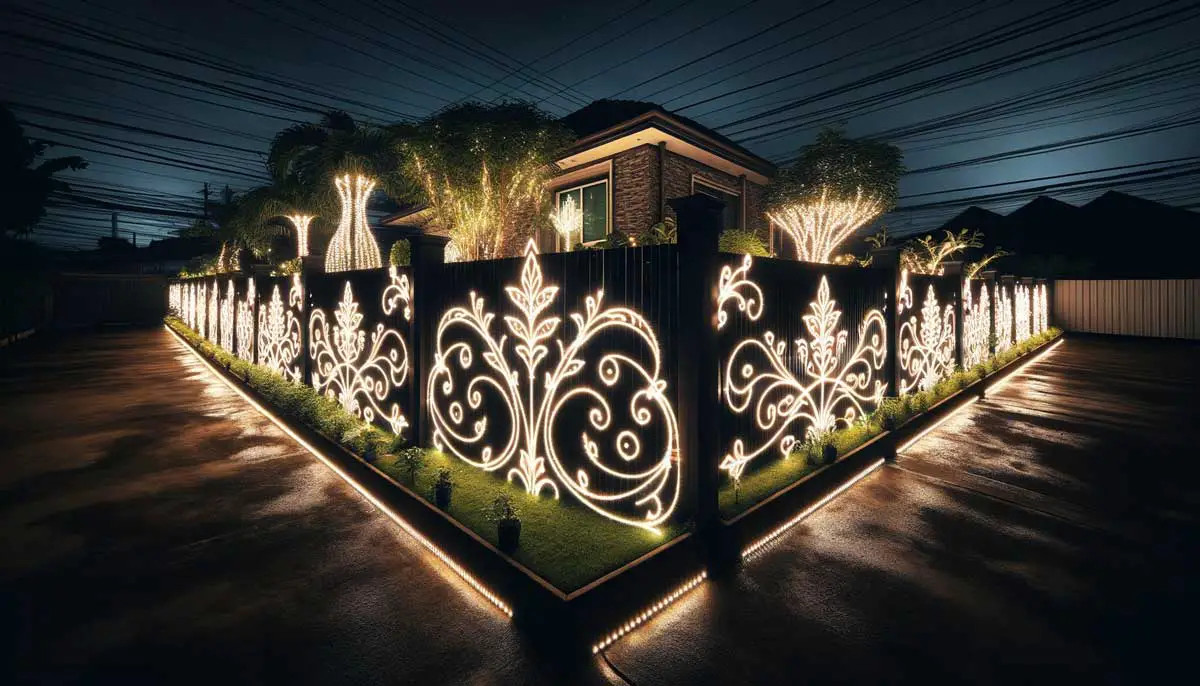
Backyard fences are more than just boundaries—they’re part of the whole outdoor experience. They help shape the vibe of your space, especially once the sun goes down and the lights kick in. That’s where outdoor lighting comes in, not just to help you see where you’re going, but to make your yard feel inviting even after dark.
Of course, picking out a nice fixture is only half the job. Where you place it—especially how high—is what really makes or breaks the effect. Get the height right, and everything looks intentional and balanced; get it wrong, and you might end up lighting your fence more than your yard.
Today, in this article, we’re going to figure out exactly how high your wall lights should go on that backyard fence. It’s simpler than you think, and a few smart choices can make all the difference.
Why Lighting Height Matters on Your Backyard Fence

Mounting height isn’t just a technical detail—it directly affects how your backyard looks and feels once the lights turn on. Too high or too low, and the light won’t land where it should, which can throw off the mood, function, and even safety of your space.
Here’s why getting the height right really makes a difference:
- Visibility and Safety: Lights placed at the proper height brighten paths, steps, and hangout spots so people can move around comfortably. If they’re too high, the beam loses focus and fades where it matters; too low, and it can be harsh, even blinding when you walk by.
- Aesthetic Balance: Mounting your lights at the right height helps create a consistent, pleasant look across the yard. Go too high, and the fence starts to feel taller than it is; too low, and all the focus shifts to the ground instead of the full scene.
- Function-Specific Lighting: Different areas need different lighting effects, and height is a big part of making those effects work. Soft accent lighting around plants or garden beds works better lower down, while lights around seating areas should fall just above eye level for a more natural glow.
- Glare Control: When fixtures are too low, the light can hit you straight in the eyes—especially when you’re sitting nearby. A slightly higher position softens that glare, making the light easier to live with and more comfortable to look at.
- Light Spread and Coverage: Mounting higher can widen the reach of your lights, but there’s a trade-off: the higher you go, the more diffused and weaker the beam becomes in key spots. Mount too high, and you may end up with uneven lighting and darker zones where brightness is actually needed.
- Neighbor Awareness: The height of your light also affects how much it spreads into the world beyond your fence. A well-placed fixture keeps the beam focused on your yard, rather than shining into nearby windows or lighting up someone else’s doghouse.
The Ideal Height Range

When you’re mounting wall lights on a backyard fence, there’s a height range that tends to work well in most situations. This range gives you the right mix of coverage, comfort, and visual balance—all the things that make outdoor lighting feel just right.
In general, aim for this range and adjust slightly based on your fence and lighting needs:
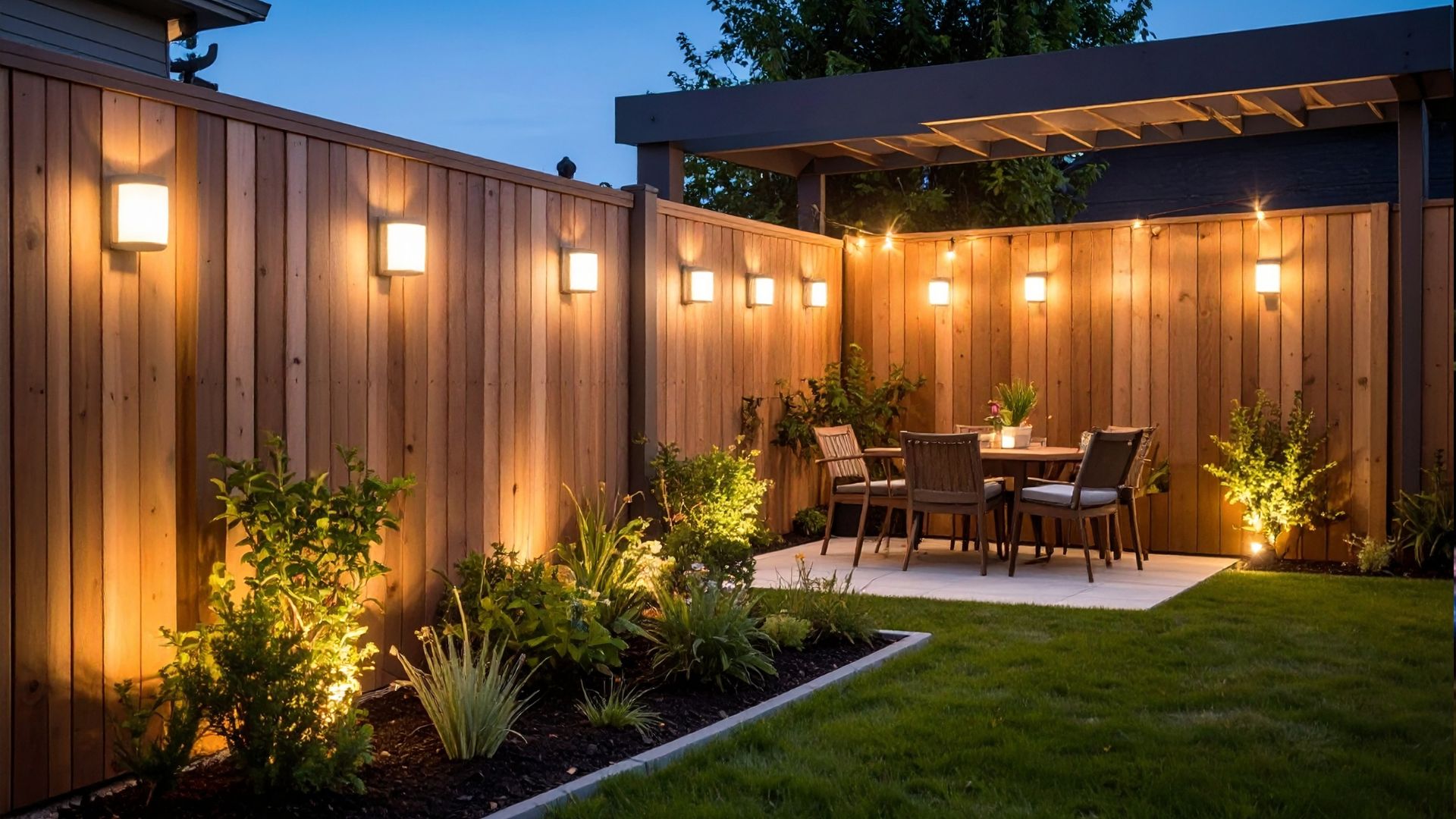
- 5 to 6 Feet from Ground Level: This is the go-to range for most backyard fences. It places the light high enough to cast a wide, useful glow while still being low enough to keep things cozy and comfortable.
- Adjust Based on Fence Height: A standard 6-foot fence usually pairs well with lights mounted just below the top edge. If your fence is taller, you can raise the fixture slightly, but keep in mind how far the light will reach across your yard.
- Keep It Around Eye Level: Mounting your lights near eye level helps avoid direct glare and makes the lighting feel more natural. Whether you’re standing or sitting, it keeps the bulb out of your line of sight while still brightening the space around you.
- Too Low Creates Harsh Spots: Lights mounted too close to the ground tend to focus the beam in a tight area, often creating hot spots that feel more intense than helpful. It also limits how much of the yard actually gets lit.
- Test the Height Before You Commit: Before you start drilling holes, try taping a flashlight or temporary light at a few different heights and see how the light behaves after dark. Sometimes what feels right during the day ends up looking completely different once the sun goes down.
Factors That Affect Mounting Height

While the general 5 to 6-foot range works well for most setups, it’s not always one-size-fits-all. A few key details about your space, your lighting goals, and even your fence itself can shift that height up or down just a bit.
Here are the main things to consider before deciding exactly where your lights should go:
- Fence Height: The height of your fence sets the stage for where your light should sit. A standard 6-foot fence usually works well with lights mounted about a foot from the top, but if your fence is taller, you’ll likely need to adjust a bit higher to keep the light useful and evenly spread.
- Lighting Purpose: Not all lights are doing the same job. Accent lighting for plants might be placed lower to highlight textures and shapes, while task lighting around dining areas or pathways needs to be positioned higher to brighten the space more evenly.
- Fixture Style and Beam Direction: The type of light fixture you’re using affects where it should go. Downward-facing lights tend to work best when mounted higher so they can spread light across a wider area, while uplights need to sit lower to shine up the fence or highlight nearby plants.
- Fence Material and Color: Darker materials like deep-stained wood or black metal tend to absorb more light, so mounting the fixture slightly lower can help keep things bright. Lighter-colored fences reflect more light, which gives you a bit more flexibility in height without losing the effect.
- Backyard Layout and Obstructions: Take a look at what’s around—shrubs, patio furniture, or even wall decor can all affect how light travels. Choosing a height that clears or works around these features helps keep your lighting practical and your space well-lit.
- Neighbor Proximity and Light Spill: If your backyard shares close borders with others, mounting height becomes part of the neighbor-friendly equation. Lower placements or downward angles can help keep the light focused on your yard instead of drifting into someone else’s window.
- Local Guidelines and HOA Rules: Some communities have rules about outdoor lighting placement, especially in shared or closely built spaces. It’s worth checking those out ahead of time so your setup looks great and keeps everyone happy.
Common Mistakes to Avoid When Installing Wall Lights on Your Backyard Fence

Even the best light fixture won’t do much if it’s placed in the wrong spot. A few small mistakes during installation can throw off the whole setup, making your lighting look awkward or less useful than it should be.
Here are some of the most common pitfalls to watch out for:
- Mounting All Lights at the Same Height: It might seem easier to line everything up at one level, but different areas need different lighting. Adjusting the height based on function—whether it’s for ambiance, security, or visibility—gives your backyard a more natural and balanced glow.
- Installing Too High on Tall Fences: Lights placed right near the top of a tall fence often end up shining into empty space or fading before they hit the ground. Dropping them just a bit lower brings the light back into the area where people actually are.
- Placing Fixtures Too Low: On the other end of the scale, lights mounted too close to the ground can create harsh spots and glare. They often end up highlighting the bottom of the fence more than anything else, which isn’t especially helpful.
- Overlooking Beam Direction and Fixture Type: Not all lights shine the same way, and a fixture pointed straight ahead or in the wrong direction won’t do much for your space. Paying attention to how the beam spreads and where it’s aimed helps the light work the way it’s supposed to.
- Skipping the Night Test: What looks good during the day can feel completely different once it’s dark. Testing with a flashlight or temporary light before installing lets you see how the light behaves—and adjust things while it’s still easy to fix.
- Ignoring Neighbor Boundaries: Lights that spill into a neighbor’s yard or window can turn into an annoyance, even if they look great on your end. Choosing the right height and angle helps keep the light focused where it belongs—in your own backyard.
Finding the Sweet Spot for Your Backyard Fence
Backyard lighting doesn’t need to be complicated, but it does need a little thought—and a bit of measuring tape. A wall light mounted at just the right height on your backyard fence can quietly pull everything together, giving your space the kind of charm that shows, even at night. It’s a small detail that makes a big difference in how the whole yard feels.
So take your time, plan with intention, and trust both your eye and your setup. The right height lives somewhere between what looks good and what actually works. Your backyard fence isn’t just there to hold up lights—it’s part of the experience.