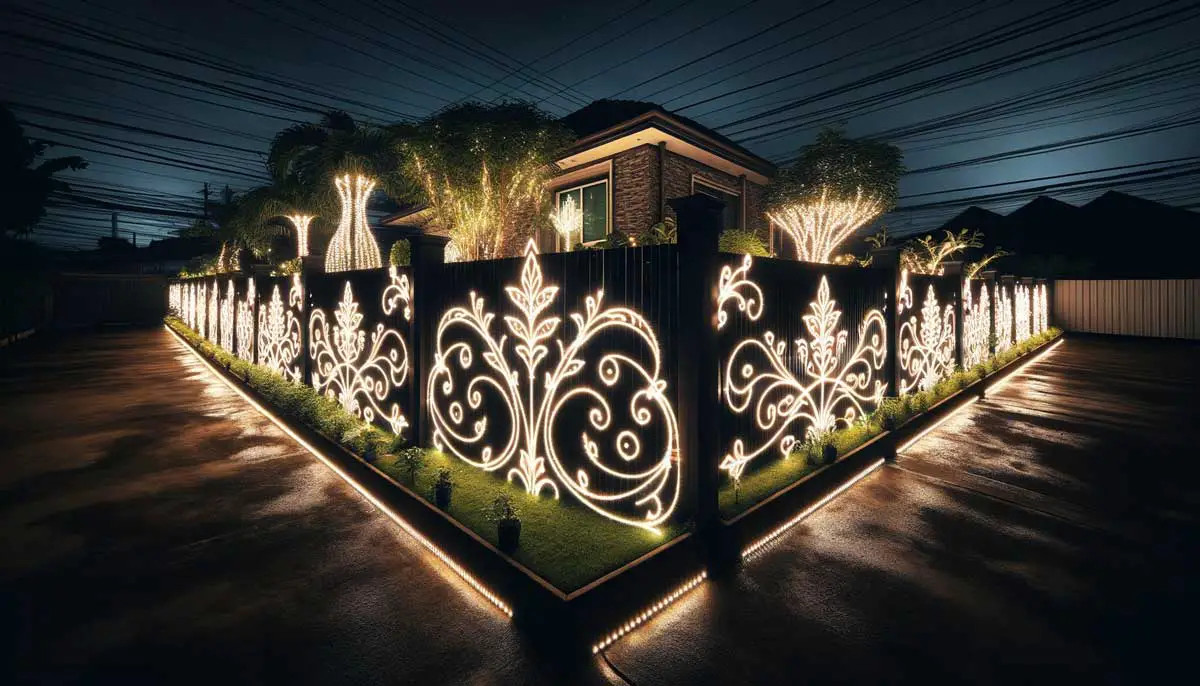
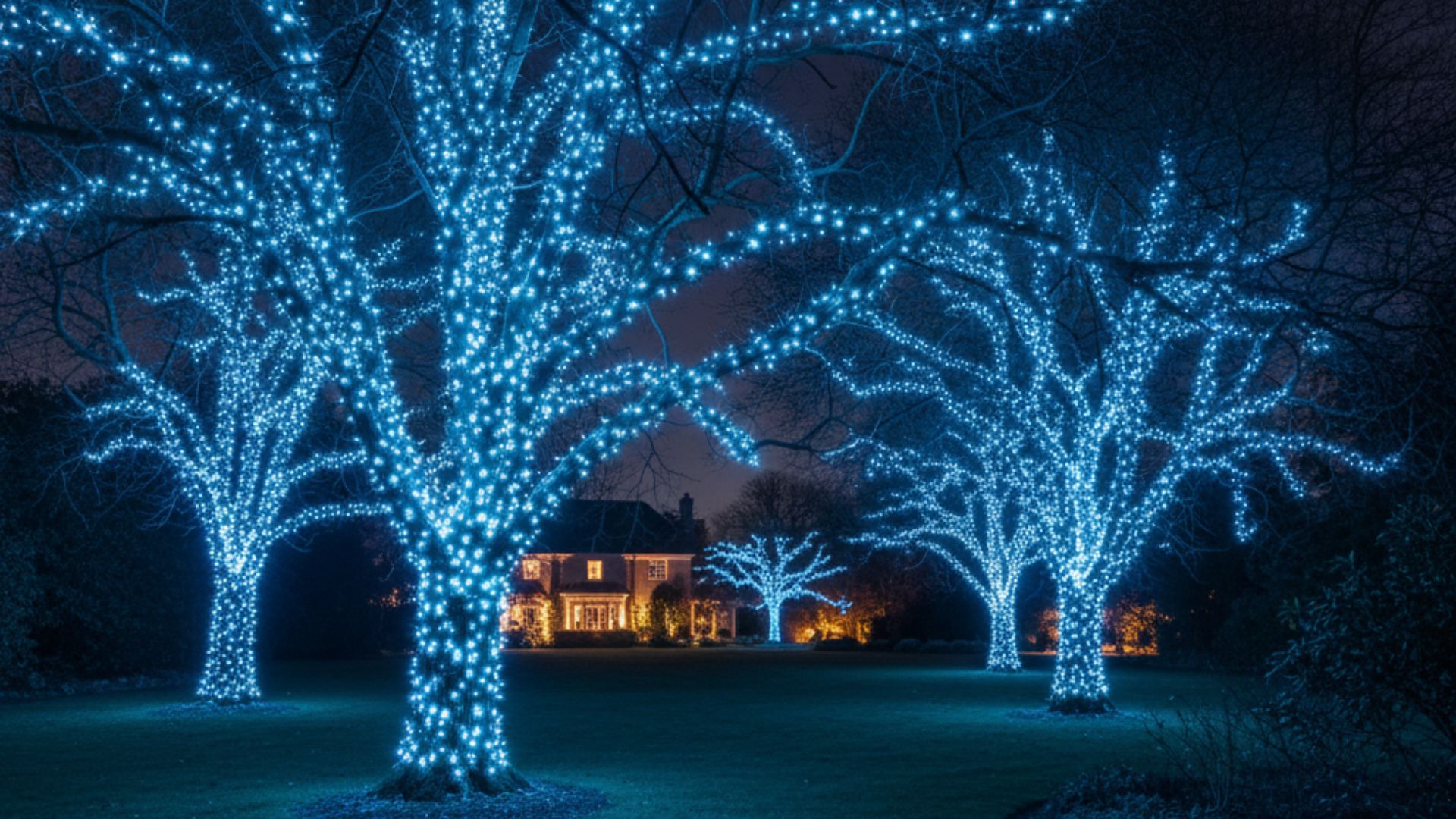
Security starts with feeling safe, and lighting is one of the simplest ways to make that happen. The right outdoor lighting can transform those dark, shadowy spots into well-lit areas that keep both intruders and clumsy feet in check.
Of course, nobody wants their yard to look like an airport runway. The key is finding the sweet spot between enough light for safety and a setup that still feels inviting and practical.
In this article, we’ll break down everything you need to know to get your security lighting just right. With a few smart tips, you can create a setup that’s not only effective but also a perfect fit for your home.
Why Security Lighting Matters

Good lighting isn’t just about seeing where you’re going—it’s a powerful way to keep your home safe. When used wisely, outdoor lighting can make your space feel secure and inviting while giving would-be troublemakers a reason to move along.
Here are a few reasons why security lighting plays such a big role:
- It Keeps Intruders at Bay: Bright lights aren’t a burglar’s best friend, and that’s exactly why you need them. A well-lit yard makes it harder for anyone to sneak around unnoticed, especially if you focus on areas like doorways, windows, and those darker spots around the property.
- It Helps You (and Your Guests) Stay Safe: Tripping over steps or fumbling for keys in the dark is no fun. Good lighting can guide you and your visitors with ease, whether it’s along a driveway, up a pathway, or onto your porch.
- It Gives You Peace of Mind: There’s something reassuring about stepping outside and knowing everything is visible. Whether you’re settling in for the night or coming home late, a well-lit home helps you feel safer and more in control of your surroundings.
Factors That Influence the Amount of Lighting You Need

When it comes to security lighting, there’s no magic formula that works for everyone. The amount of light you’ll need depends on a mix of factors unique to your home and surroundings, so it’s all about finding the right fit.
Here are some important things to keep in mind as you plan your lighting:
- The Size and Shape of Your Property: Bigger yards naturally need more lighting, but it’s not just about size—it’s also about layout. If your property has lots of nooks, crannies, or long pathways, you’ll need lights placed thoughtfully to keep shadows and hidden spots under control.
- The Lighting Already Around You: Living in a well-lit neighborhood with plenty of streetlights might mean you don’t need as many fixtures. On the other hand, rural areas with open skies and no ambient light will require more effort to brighten things up.
- Your Specific Security Needs: Are you aiming to keep intruders away, make your front door easier to see, or just add visibility for your late-night pizza delivery? Each goal changes how much lighting you’ll need and where you’ll want to focus it.
- Your Budget and Energy Usage: Lighting doesn’t have to cost a fortune—or make your power bill skyrocket. Motion-activated lights, energy-saving LEDs, and solar-powered options can all give you security without breaking the bank.
- What’s Around Your Property: Trees, fences, and neighboring buildings can either block light or create more dark spots you’ll need to fix. And don’t forget to think about your neighbors—it’s always good to keep your lights from spilling over into their living room.
Types of Outdoor Security Lights

Not all outdoor security lights are the same, and picking the right ones can make a world of difference. Each type of light has its own job to do, and together they can create a setup that keeps your home safe and well-lit.
Here are the most common types of outdoor security lights to think about:
- Motion-Activated Lights: Think of these as your yard’s first line of defense—always on standby, ready to light up the second something moves. They’re energy-efficient and great for startling intruders or just helping you find your keys by the back door.
Need motion-activated lights today? Check out this product:

- Floodlights: These are the power players, built to cover large areas with bright, wide beams. They’re ideal for big spaces like driveways, backyards, or anywhere you want maximum visibility.
- Pathway and Step Lights: These might not be your typical security lights, but they quietly do their part by lighting up walkways and steps. Not only do they make your outdoor spaces safer, but they also add a polished, inviting look to your property.
Check out this pathway lights product:

- Wall-Mounted Lights: Mounted near doors, windows, and garages, these lights are a must for keeping entry points well-lit. Many can be angled to shine light exactly where you need it, making them as practical as they are essential.
- Smart Security Lights: These modern options bring technology into the mix, letting you control your lights remotely or integrate them with motion sensors and cameras. They’re perfect for anyone who loves convenience and wants a more hands-on approach to home security.
Looking for smart security lights? Check out this product:

How to Calculate the Right Amount of Security Lighting

Figuring out the right amount of security lighting isn’t about covering your yard in spotlights. It’s all about balance—enough light to keep things safe without feeling like you’re hosting a nighttime sports event.
Here are some simple steps to help you get it just right:
- Know Your Lumens: Lumens are the magic number when it comes to brightness, so it’s good to know what they mean. For example, 800 to 1,200 lumens work well for pathways or porches, while larger spaces like your backyard might need something brighter—think floodlights at 2,000 lumens or more.
- Layer Your Lighting: Don’t rely on one big light to do all the heavy lifting. Combine ambient lighting for general visibility, task lighting for areas like doorways, and accent lighting for those shadowy spots along fences or pathways to create a balanced, well-lit space.
- Pay Attention to Your Layout: If your yard has lots of nooks, crannies, or an irregular shape, you’ll need more targeted lighting zones. Focus on spots where shadows tend to collect, like corners, behind sheds, or near fences.
- Avoid Overdoing It: More light isn’t always better—it can actually make it harder to see clearly. To keep things safe and comfortable, use shields, dimmers, or adjustable fixtures to focus light where it’s needed without creating glare or bothering the neighbors.
- Test Your Plan Before You Commit: Grab a flashlight or portable light and take a stroll around your property at night. This quick test will show you exactly where lighting is needed most and help you avoid wasting money on unnecessary fixtures.
Strategic Placement of Security Lights

Having the right lights is only part of the equation; knowing where to place them is what really makes the difference. A smart placement plan not only boosts security but also ensures no dark spots are left lurking around your home.
Here are some effective strategies for placing your security lights:
- Prioritize Entry Points: The most obvious places to light up are your doors, windows, and garages since these are the first spots intruders might target. Mount lights above or beside these areas, and for extra peace of mind, consider motion-activated options that shine a light on any unexpected visitors.
- Light Up Pathways and Driveways: These areas do double duty—they help guide you safely at night while also keeping your property visible. Use softer lights along walkways for a welcoming vibe, and go slightly brighter on driveways to ensure no sneaky shadows linger.
- Secure the Perimeter: Adding lights along fences, walls, or hedges eliminates hidden corners where someone might try to hide. Floodlights or directional fixtures are great for this job, offering broad coverage without lighting up your neighbor’s yard.
- Tackle Blind Spots: Every home has those sneaky corners or tucked-away areas that could use a little extra attention. Spotlights or angled fixtures work wonders here, ensuring no part of your property is left in the dark.
- Get the Height Just Right: Lights should be high enough to stay out of reach but low enough to do their job effectively. A sweet spot is typically around 8 to 10 feet off the ground—high enough to deter tampering, but still close enough to light up the area.
- Work with Your Security Cameras: Proper lighting can make all the difference for your cameras. Aim lights to reduce shadows and improve visibility for your camera feed, but avoid glare that could mess with the view.
Creating a Safer, Well-Lit Home
Getting your outdoor lighting spot-on doesn’t have to be overwhelming. With thoughtful planning and a few smart decisions, you can design a system that keeps your home secure while still feeling inviting. The goal is to find that sweet spot—just enough light to enhance safety without overdoing it.
From choosing the right types of lights to positioning them where they’re most effective, every detail plays a role in creating a safe and welcoming environment. A well-lit home not only deters intruders but also brings a sense of comfort and ease to your space. So, take the time to light things up right, enjoy the peace of mind, and maybe even give your home a little extra curb appeal in the process.