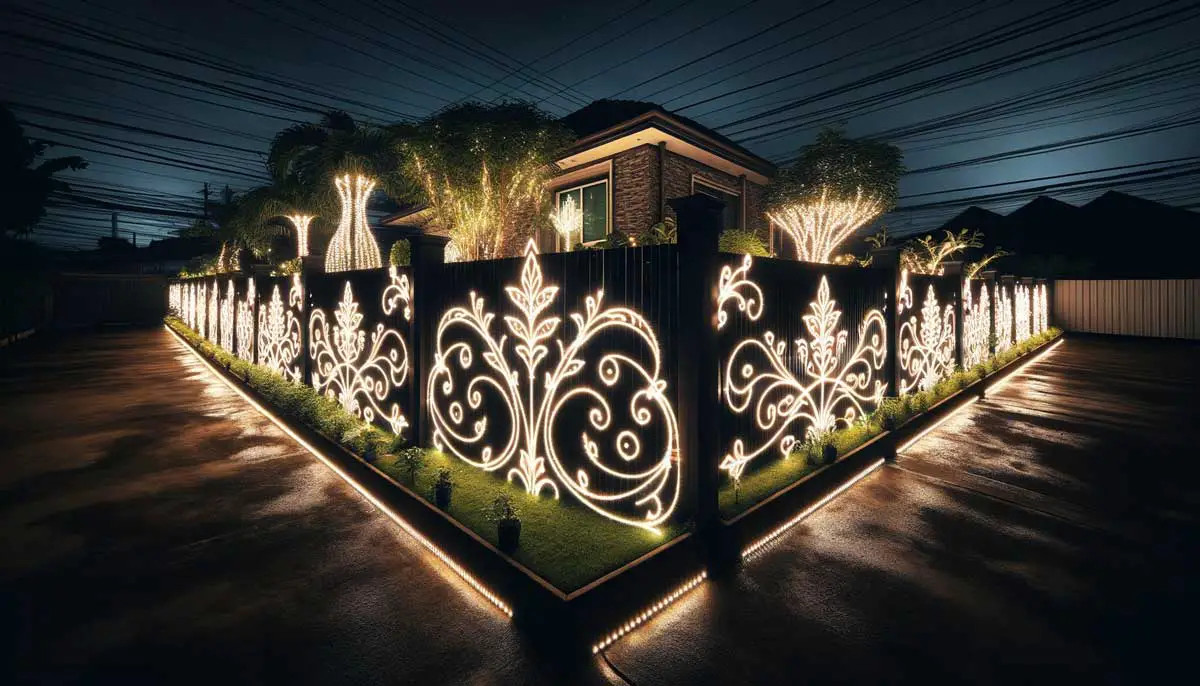
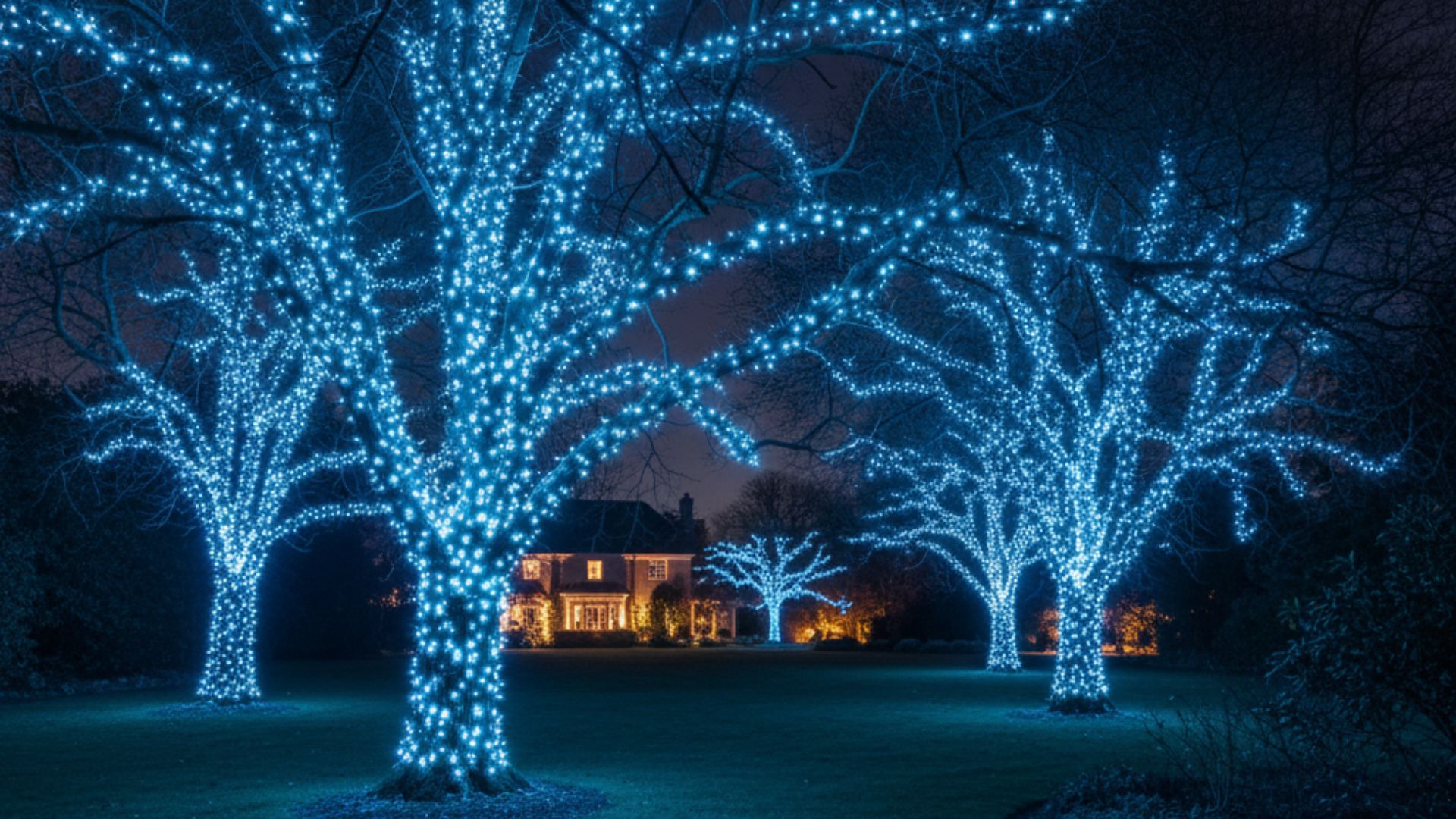
String lights have a way of making any outdoor space feel instantly more inviting, whether you’re setting up for a backyard hangout or just adding a little sparkle to your patio. They’re simple to put up, but getting them just right takes a bit more thought than you might expect.
It’s not just about stringing them up and hoping for the best—there are a few things that can go wrong if you’re not careful. A little misstep here and there can leave you with droopy lights, blown fuses, or a setup that’s more frustrating than festive.
In this guide, we’ll walk you through some of the most common mistakes people make when installing string lights and, more importantly, how to avoid them. With a few handy tips, you’ll be able to create an effortlessly glowing space that looks good and works perfectly.

Choosing the Wrong String Lights
Picking the wrong string lights might not seem like a big deal at first, but it can cause more trouble than you’d expect. Whether it’s lights that can’t handle the weather or ones that don’t quite fit your space, making the wrong choice can affect both how they look and how long they last.
Here are a few common slip-ups people make when choosing string lights and how to steer clear of them:
Using Indoor Lights Outside
- Indoor string lights might look great, but they’re just not built to handle rain, wind, or temperature changes. Over time, exposure to the elements can lead to short circuits or even complete failure.
- How to avoid it: Look for lights with an outdoor rating and weather-resistant materials that can withstand whatever nature throws their way.
Picking the Wrong Bulb Type
- Traditional incandescent bulbs may give off a cozy, nostalgic glow, but they eat up more energy and burn out faster than LEDs. This means you’ll be replacing bulbs more often and possibly seeing a higher energy bill.
- How to avoid it: Stick with LED string lights—they’re energy-efficient, last longer, and come in a variety of colors and styles to match your vibe.
Choosing Lights That Are Too Bright or Too Dim
- Lights that are too bright can feel harsh, while those that are too dim might not give your space the cozy ambiance you’re after. Striking the right balance can make all the difference.
- How to avoid it: Think about the mood you want to create and choose lights with the appropriate brightness level to match.
Mixing Clashing Colors
- Combining cool and warm tones may seem like a creative idea, but it can result in a mismatched, uninviting look. Instead of a stylish setup, you might end up with something that feels a little all over the place.
- How to avoid it: Stick with a consistent color temperature to create a harmonious and inviting atmosphere.
Overlooking Power Needs
- Not all string lights work with standard outlets, and mismatched power sources can lead to dim lighting or, worse, damaged lights. It’s easy to plug and pray, but that’s not always the best strategy.
- How to avoid it: Check the wattage and voltage requirements beforehand, and make sure you’ve got the right power setup to keep things running smoothly.

Poor Planning and Measurement
String lights can work wonders in transforming any space, but without a solid plan, things can get a little messy. It’s all too easy to underestimate how much you need or skip the planning stage entirely, leaving you with a setup that feels a bit off—or worse, doesn’t quite work.
Here are a few planning and measurement missteps to avoid and how to fix them:
Guessing Instead of Measuring
- Going by eye alone might seem like a quick fix, but it often leads to lights that either fall short or leave you with an awkward bundle of extra length. The result? A setup that looks uneven and out of place.
- How to avoid it: Take a few minutes to measure your space properly, factoring in anchor points, curves, and a little extra for adjustments.
Poor Anchor Point Placement
- Without a clear plan for where to secure your lights, you might end up with droopy sections or uneven spacing that just doesn’t look right. Plus, poorly placed anchor points can strain the lights and cause damage over time.
- How to avoid it: Choose sturdy, well-spaced anchor points like pergolas, fences, or trees to create a clean and balanced look.
Forgetting About the Power Source
- Realizing your plug doesn’t quite reach the outlet is a classic mistake that can lead to last-minute scrambling. Running extension cords across walkways or through high-traffic areas isn’t exactly ideal—or safe.
- How to avoid it: Map out your power source beforehand and use outdoor-friendly extension cords to keep things neat and safe.
Skipping a Trial Run
- It’s tempting to dive right in and start hanging, but not testing your lights first can leave you dealing with flickering bulbs or an arrangement that doesn’t look as great as you imagined. Making changes after everything is up can be a hassle.
- How to avoid it: Set up your lights temporarily, plug them in, and step back to make sure they align with your vision before securing them for good.

Overloading Electrical Circuits
We’ve all been there—getting a little too excited about string lights and plugging in one too many strands. But overloading your circuits isn’t just a minor inconvenience; it can lead to tripped breakers, overheating, and even potential fire risks if you’re not careful.
Here are some common mistakes that can overload your circuits and how you can avoid them:
Ignoring Wattage Ratings
- It’s easy to overlook how much power your lights are pulling until it’s too late. Exceeding the circuit’s wattage limit can result in overheating and unnecessary wear on your electrical system.
- How to avoid it: Always check the wattage of your string lights and compare it to your circuit’s capacity to make sure you’re staying within safe limits.
Plugging Too Many Strands Together
- Connecting multiple strands end-to-end might seem like a convenient way to cover a large area, but it can strain your power source. Too many lights in one connection can lead to flickering bulbs or even blown fuses.
- How to avoid it: Follow the manufacturer’s guidelines on how many strands can be safely linked, and if needed, use multiple outlets to balance the load.
Using the Wrong Extension Cords
- Not all extension cords are made the same, and using an indoor-rated cord for outdoor lighting can cause electrical shorts or overheating. Plus, a cord that’s not rated for heavy loads might struggle to power all your lights efficiently.
- How to avoid it: Choose outdoor-rated extension cords that can handle the energy demands and stand up to the elements.
Sticking with High-Power Bulbs
- Traditional incandescent string lights might look charming, but they use a lot more power than you think. More power means a higher risk of overloading circuits, not to mention a noticeable spike in your electricity bill.
- How to avoid it: Opt for LED string lights that provide the same cozy glow with a fraction of the energy consumption.

Ignoring Proper Anchoring Techniques
Hanging string lights might seem like a breeze, but without the right anchoring, things can go south pretty quickly.
Here are a few common anchoring mistakes people make and how to avoid them:
Using Weak or Unsuitable Hardware
- Grabbing whatever hooks or nails you have lying around might seem like an easy fix, but they’re often not strong enough to support string lights for long. Before you know it, your lights could start slipping or crashing down.
- How to avoid it: Use sturdy, outdoor-rated mounting hardware like heavy-duty hooks, cable guides, or tension wires to keep everything securely in place.
Placing Anchor Points Too Far Apart
- Stretching lights across wide spaces without enough support can lead to unsightly droops and unnecessary strain on the wires. Over time, this can cause them to wear out faster or look uneven.
- How to avoid it: Space your anchor points at regular intervals to evenly distribute the weight and keep your lights looking neat and tidy.
Relying on Weak Structures
- Attaching your lights to unstable spots like loose fences or delicate tree branches might seem like a quick solution, but it’s not exactly the most reliable option. A little pressure, and down they go.
- How to avoid it: Choose solid, sturdy surfaces like walls, pergolas, or fence posts that can handle the weight and tension of your lights.

Neglecting Safety Precautions
String lights can do wonders for your outdoor space, but skipping basic safety steps can lead to more than just a few flickering bulbs. Overlooking important precautions can result in electrical issues, fire risks, and even minor accidents that could easily be avoided with a little planning.
Here are some common safety slip-ups people make and how to prevent them:
Ignoring Worn or Damaged Wires
- Frayed or exposed wires might not seem like a big deal at first, but they can become a serious safety hazard, especially in damp conditions. Electrical shorts can lead to power failures—or worse, sparks.
- How to avoid it: Give your lights a quick inspection before hanging them up, and replace any damaged sections right away.
Hanging Lights Near Flammable Materials
- Placing string lights too close to dry leaves, fabric decorations, or wooden surfaces can be risky. Even energy-efficient LED bulbs can generate heat over time.
- How to avoid it: Keep a safe distance between lights and anything flammable to avoid unwanted mishaps.
Skipping GFCI Outlets
- Plugging string lights into regular outlets without ground fault circuit interrupters (GFCIs) can put you at risk of electric shock, especially in damp areas. These specialized outlets are designed to shut off power when they detect an issue.
- How to avoid it: Use outdoor GFCI outlets to protect against unexpected electrical problems and keep things running safely.
Installing String Lights the Right Way
Installing string lights isn’t just about plugging them in and hoping for the best. A little planning and effort can make all the difference in how they look and how well they hold up over time. When set up thoughtfully, they can add a warm, inviting touch to your space without causing any unexpected hassles.
Focusing on the small details helps create a setup that’s not only visually appealing but also safe and long-lasting. With a smart approach, your string lights will create the perfect ambiance for relaxing evenings and fun-filled gatherings.