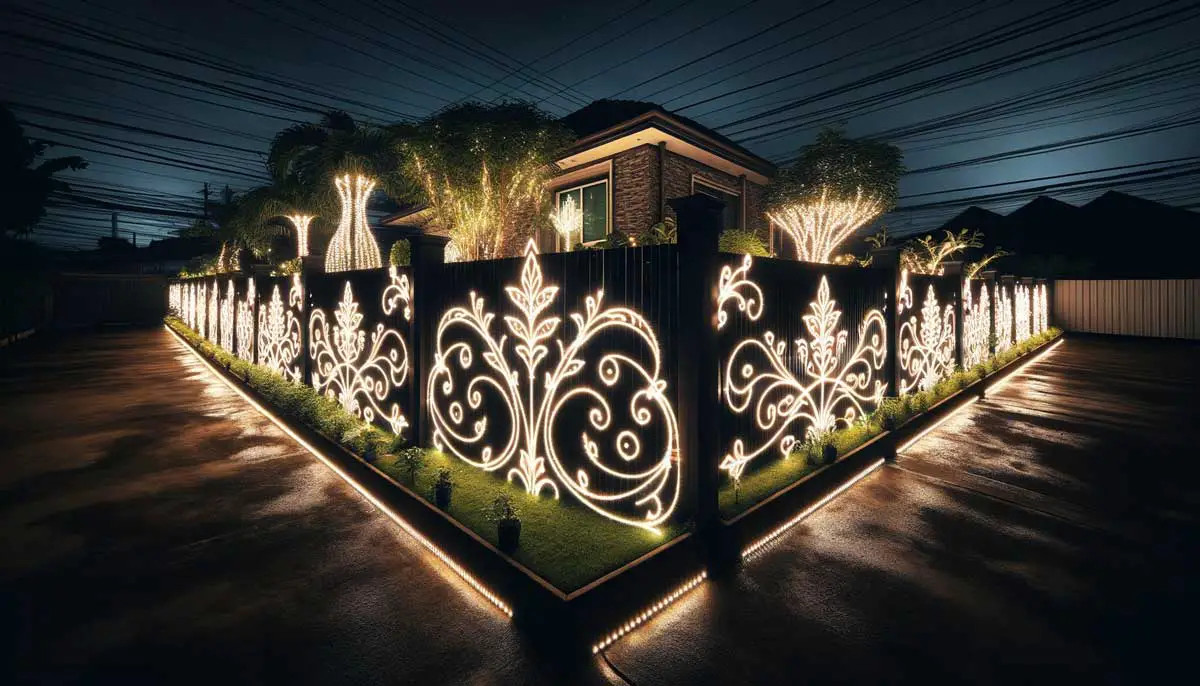
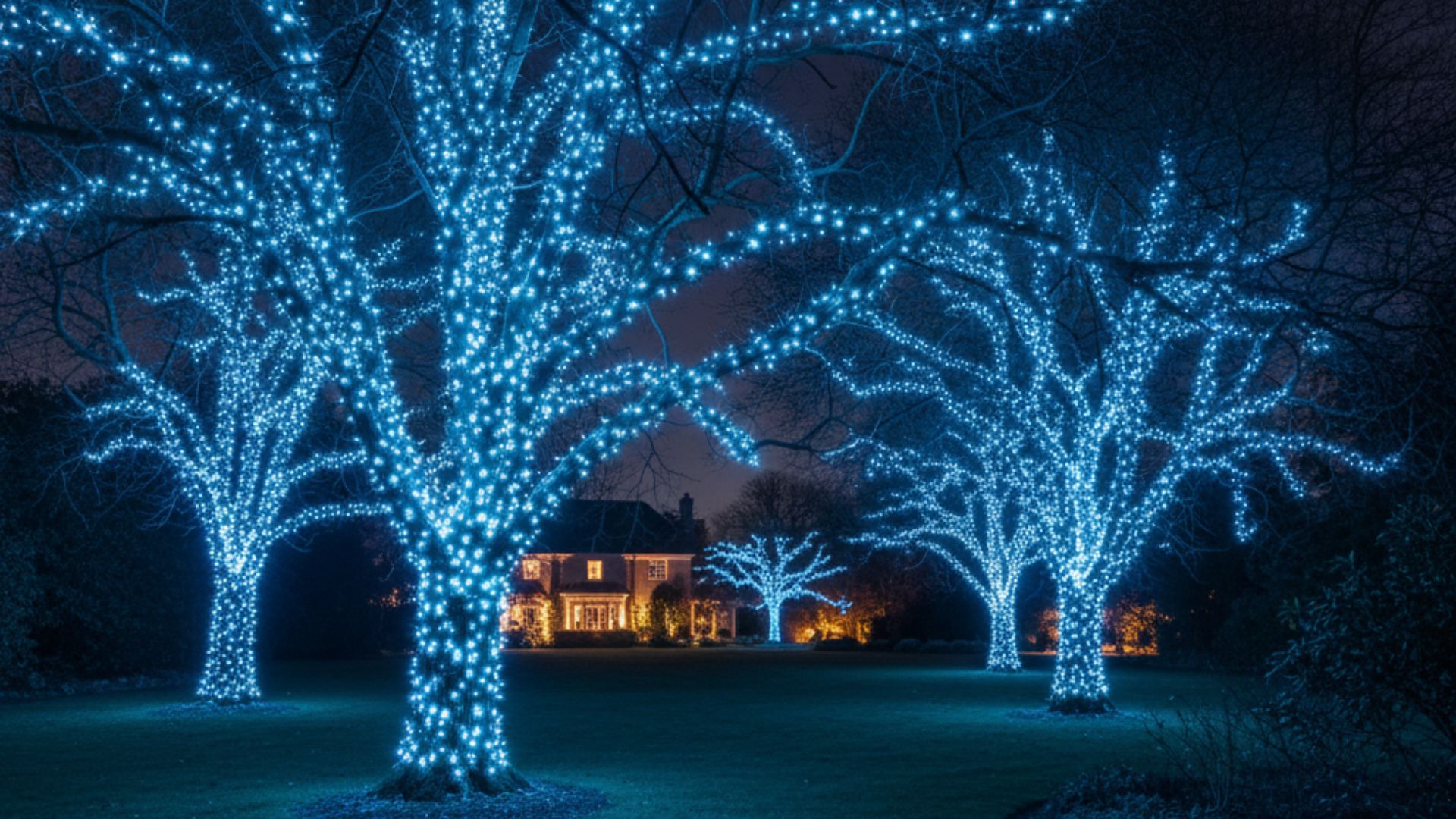
Outdoor lighting layouts are often designed at night, which is actually a major mistake really. We focus on achieving the ideal nighttime effect but forget these fixtures remain exposed in daylight throughout the entire day too.
Low-cost plastic stakes and tangled exposed wires can easily transform a lovely garden bed into an eyesore by midday. Switching to high-quality fixtures ensures your yard stays neat and refined even under the intense glare of the midday sun light conditions.
Today this article explores how to choose landscape fixtures that also serve as subtle architectural features while daylight is present throughout the daytime hours.
So without further ado, let’s get started.
Match the Fixture Material to Your Home’s Architectural Palette

Outdoor lighting can look great at night, but the real test comes in daylight. A fixture might shine after dark, yet feel completely out of place under the sun. A glossy modern chrome light, for example, can look harsh next to a rustic stone farmhouse during a daytime gathering.
The goal is to match your fixture materials with the natural materials already in your home. When metals, wood, and stone feel like they belong together, everything looks more intentional. This simple step helps your outdoor space feel connected instead of visually scattered.
Premium materials like solid brass and copper are great choices if you want something that ages well. Over time, they naturally darken and form a warm patina that blends into gardens, brick, and soil. For newer homes with clean lines, matte black or textured aluminum works better and keeps the look sharp and consistent.
Choosing the right finish also keeps your yard looking clean and balanced during bright daylight. Instead of standing out like separate objects, your fixtures start to feel built into the home’s design. The result is a smoother, more polished look that holds up at any time of day.
Here are some additional tips to keep in mind:
- Audit Your Trim— Look at your gutters, window frames, and front door hardware so you can match your lighting finish to the details already on your home.
- Test for Sun Reflection— Choose matte or brushed finishes for walkways to reduce glare when strong sunlight hits metal surfaces.
- Consider Soil Chemistry— Use durable cast brass near garden beds or acidic soil to help prevent fast wear and corrosion.
- Go Marine-Grade Near Saltwater— If you live close to the coast, pick stainless steel or coastal-rated materials to handle salty air.
- Match the Architectural Era— Pair older homes with finishes that naturally age over time, and use sleek, stable metals for modern designs.
Emphasize Clean Geometric Lines and Structural Scale

Outdoor fixtures can quietly shape how your home looks during the day. When the designs are too busy or overly decorative, they tend to create visual noise under strong sunlight. Simpler shapes with clean lines usually feel more natural and keep everything looking calm and organized.
Size also plays a big role in how balanced your exterior feels. Small path lights can disappear along wide stone walkways, making them feel like they’re barely there. On the other hand, oversized sconces can overpower narrow entryways and throw off the entire porch design.
When you get both shape and scale right, your lighting starts to feel like part of the architecture itself. The exterior becomes easier to take in, with each element working together instead of competing for attention. It creates a steady visual flow that feels intentional from every angle.
Here are some more helpful tips to be considered:
- Measure Before Ordering— Keep wall sconces about one-quarter to one-third the height of your front door so they sit in proper proportion.
- Embrace Minimalist Styles— Use slim cylinders or rectangular shapes for modern homes to maintain a clean and structured look.
- Check the Proportions of Posts— Make sure post lights match the width and strength of the columns or pillars they sit on.
- Test the Silhouette— Place a cardboard outline of the fixture on your wall at midday to see how the shape interacts with natural light.
- Coordinate the Shapes— Match rounded lights with curved architectural details like arches or circular patios for a more unified design.
Master the Art of Concealment

Leaving your technical lighting gear exposed can quickly ruin the look of a beautiful garden during the day. What should feel like a calm, natural space can end up looking more like a work site, with metal stakes, visible wires, and tangled cords breaking the scene. When all that equipment disappears from view, the garden itself becomes the main focus again.
To get that clean, seamless look, placement makes all the difference. Instead of leaving fixtures out in the open, tuck directional spotlights behind rocks, trees, or thick shrubs so they stay hidden while still doing their job. You can also use flush-mounted well lights that sit level with the ground, giving you strong upward lighting without showing any hardware from a seated view.
When everything is carefully concealed, your outdoor space feels more peaceful and natural throughout the day. Guests can enjoy the plants, paths, and textures without being distracted by equipment. At night, the lighting effect feels almost effortless, since the source stays out of sight.
To make this more effective, here are some useful tips to guide you:
- Bury Cables Deeply— Dig trenches at least six inches down to keep wiring safe from lawnmowers, pets, and everyday garden activity.
- Color-Match Tree Brackets— Paint mounted hardware to match tree bark so it blends naturally into the trunk and higher branches.
- Utilize Shielding Shrouds— Choose spotlights with built-in glare guards to keep the bulb hidden from direct view.
- Incorporate Decorative Rocks— Use hollow faux stones to disguise transformers or splice boxes near your home’s foundation.
- Run Conduits Along Corner Trims— Secure cables inside protective channels that align with porch edges or siding lines for a cleaner finish.
Opt for Under-Cap and Integrated Hardscape Lighting

Surface-mounted step lights and exposed tape strips can make outdoor spaces like backyards or a patio look cluttered once daylight hits. Tape lighting is especially problematic in hot weather, where it can loosen, peel, and leave behind sticky marks on stone or concrete. Integrating lighting directly into the hardscape helps you avoid these issues and keeps everything looking clean.
The most seamless approach is to hide low-profile fixtures beneath the stone caps of retaining walls or outdoor counters. During installation, small channels can be cut into the masonry so wiring and mounting parts stay completely out of sight. What you’re left with is just the stone surface, clean and uninterrupted, even during daytime gatherings.
When lighting is built into the structure itself, the result feels more polished. Retaining walls, steps, and outdoor features keep their strong architectural lines without visual distractions. At night, the hidden fixtures softly guide the light across paths and surfaces in a subtle, even way.
If you’d like to try this option out, here are some practical tips to help you:
- Specify Fixtures Early— Work with your masonry team from the start so wiring paths and slots are properly planned into the design.
- Select Removable Faceplates— Choose integrated lights with modular parts so repairs or LED replacements stay simple.
- Match Mortar Colors— Use sealants that match surrounding joints to hide small gaps where wires exit the stone.
- Incorporate Flush Tread Lights— Install step lights fully level with wooden or stone stairs to keep walking areas smooth and safe.
- Use Heavy-Duty Wire— Run durable direct-burial cables through block cavities to protect the system from moisture and wear.
Elevate Pathway Lighting with Organic, Low-Profile Designs

Lining your walkway with evenly spaced solar stake lights might seem simple, but it often creates a stiff, artificial look during the day. Instead of blending into the landscape, those straight rows can make your front yard feel rigid and a bit outdated. A more natural approach helps your paths feel softer, more inviting, and better connected to the surrounding greenery.
Low-profile fixtures are a great starting point because they stay visually quiet during daylight hours. Look for designs with hidden bulbs and keep the height around 12 to 18 inches so they sit below most flowers and shrubs. You can also stagger them on alternating sides of the path to avoid that straight, repetitive “runway” effect.
This kind of layout keeps your walkway looking relaxed and well-integrated when you have guests over during the day. Instead of noticing a line of metal stakes, people will see plants, textures, and color working together. At night, the same placement still gives you soft, overlapping light that safely guides the way.
Here are a few more helpful tips to keep in mind:
- Select Solid Top Caps— Choose path lights with wide covers that fully shield the bulb from direct view and harsh daylight.
- Embrace Patina Finishes— Go for unsealed copper stakes that naturally age into green tones, helping them blend into garden growth.
- Space According to Light Output— Keep fixtures about six to eight feet apart to avoid crowding and maintain a clean daytime look.
- Incorporate Louvered Openings— Use downward-facing designs that direct attention toward the ground and highlight stone or soil textures.
- Utilize Flexible Ground Stakes— Install durable stakes that can handle small impacts from lawn tools, pets, and everyday yard activity.
Keep Your Outdoor Lighting Design Looking Good Day and Night

Good outdoor lighting should work around the clock, not just after dark. When you invest in quality fixtures, your yard stays polished and well put-together even under bright daylight. The goal is simple: your outdoor space should feel as refined as a high-end resort at any hour.
When everything is planned with both daytime and nighttime in mind, there’s no need to “hide” your lighting at certain hours. Your outdoor setup simply works from every angle, whether you’re hosting a casual afternoon barbecue or enjoying a quiet evening outside. The result is consistent curb appeal that lasts from morning light to night glow.