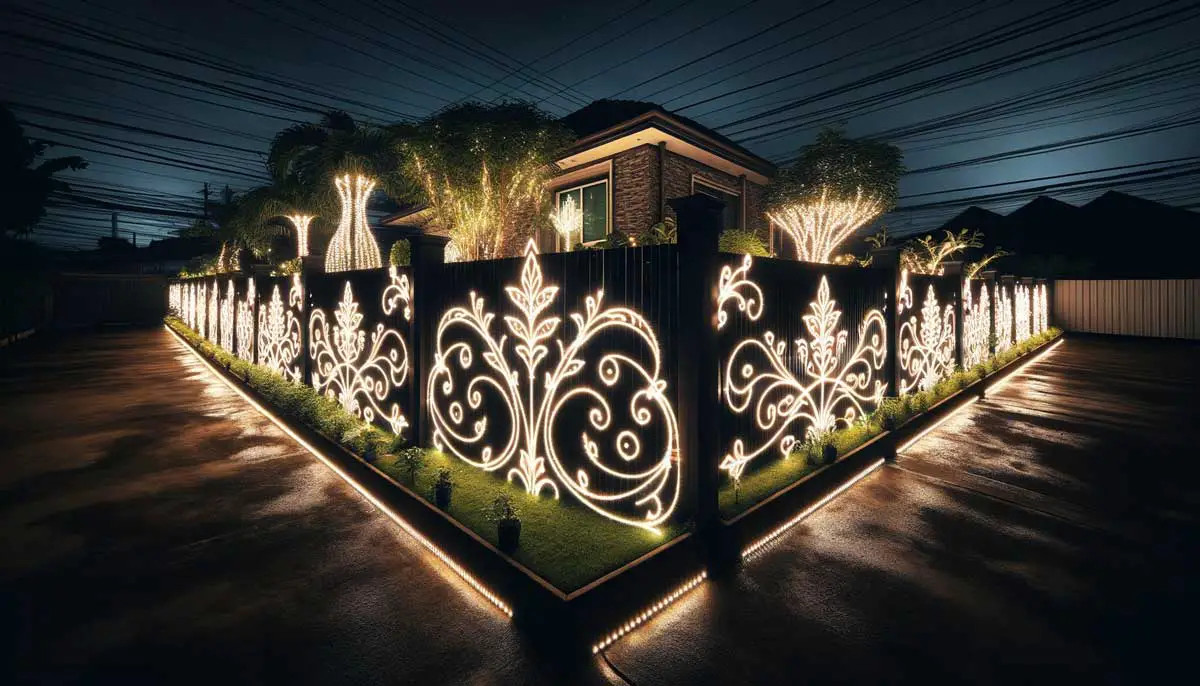
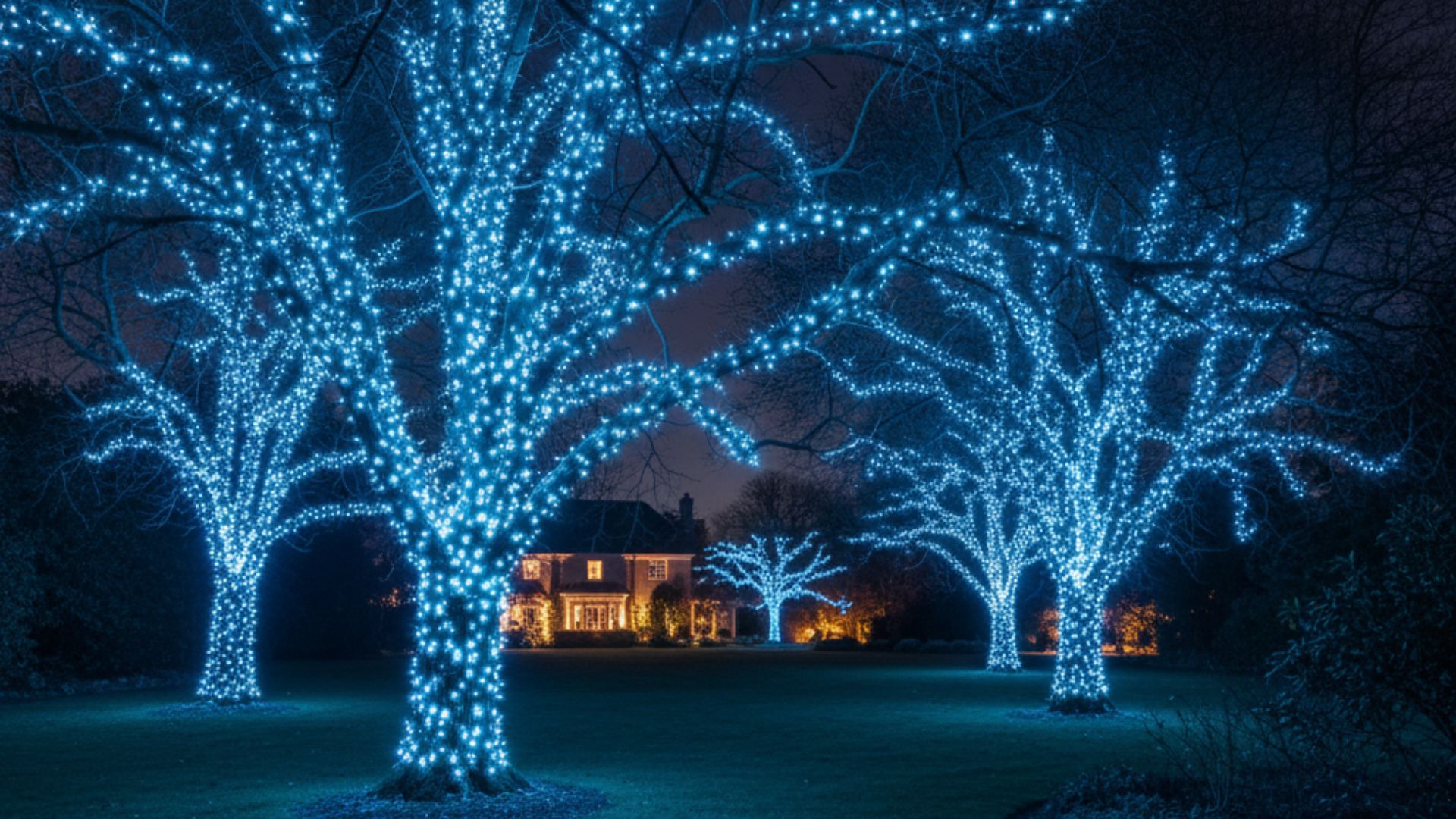
It’s not just about being able to see where you’re going; it’s about making your house stand out and look fantastic, even when the sun goes down. Choosing the right lighting can complement your home’s architecture and highlight its best features, making it the envy of the neighborhood.
Think of lighting as your home’s jewelry. Just as you wouldn’t wear sneakers with a tuxedo, you wouldn’t want ultra-modern lights on a classic Victorian home, would you? It’s all about matching the vibe.
This article will guide you in selecting outdoor lighting that enhances your home’s architectural style. From finding the perfect fixture styles to selecting the right color and materials, we’ve got you covered. Let’s dive into the world of architectural lighting and explore your options to brighten up your home.
Recognizing Your Home’s Architectural Style
Choosing the right outdoor lighting begins with understanding your home’s architectural style, ensuring your lighting choices complement and enhance its unique features.
Overview of Architectural Styles
Victorian Style

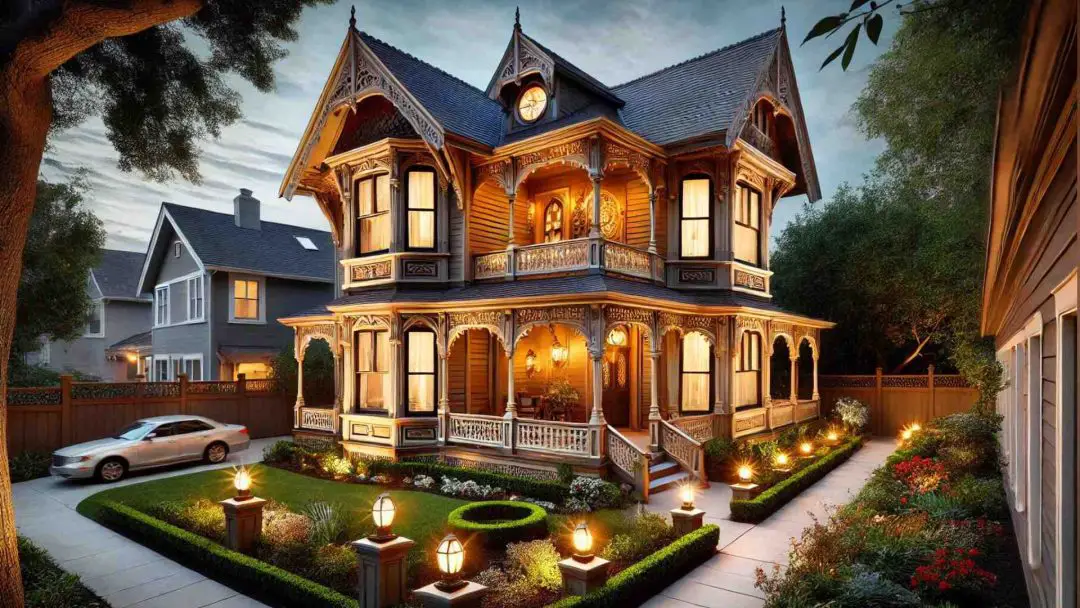
Victorian homes are like the grand dames of architecture. They often feature intricate woodwork, decorative trims, and large, wraparound porches.
These homes may seem a bit over the top, but that’s part of their charm. With tall, narrow windows and steep roofs, they have an elegance that’s hard to miss.
Craftsman Style

Craftsman homes are all about simplicity and handcrafted details. Think of a sturdy, welcoming house with exposed beams, earthy tones, and a cozy front porch.
These homes often have low-pitched roofs and wide eaves, giving them a solid and grounded appearance. They scream “come on in” without actually shouting.
Ranch Style

Ranch homes are the laid-back cousins in the architectural family. Typically one-story, these homes are all about long, low profiles and open floor plans.
They often have large windows and a direct connection to the outdoors. Ranch homes are designed for easy living, with a casual vibe that’s easy to love.
Contemporary Style

Contemporary homes are sleek and stylish, always on the cutting edge. With clean lines, large windows, and open spaces, they embrace modern aesthetics.
These homes often incorporate natural materials and smart design elements. They’re like the trendsetters of architecture, always ready to impress with their bold looks.
How Architectural Style Influences Lighting Choices
Architectural style sets the stage for your lighting choices. For example, a Victorian home might shine with ornate lanterns, while a contemporary home may look best with minimalist, sleek fixtures. It’s about enhancing the architectural story your home tells, not clashing with it.
The materials used in your home also play a role in lighting selection. If you have a Craftsman home with rich wooden accents, warm lighting can enhance those features beautifully. On the other hand, a modern, glass-heavy house might benefit from cooler tones to emphasize its crisp design.
Lighting placement is another consideration. Victorian homes often have detailed facades that benefit from uplighting to highlight intricate woodwork. In contrast, a Ranch-style home might use pathway lighting to draw attention to its sprawling layout, adding depth and interest to the exterior.

Identifying Key Architectural Features
Tips for Recognizing Architectural Elements
- Rooflines: Pay attention to the shape and slope. Steep roofs often indicate Victorian styles, while flat or low-pitched roofs may belong to modern or ranch styles.
- Windows: Note the size, shape, and placement. Large, symmetrical windows might suggest a Colonial design, while asymmetrical or oversized windows are often found in contemporary homes.
- Entryways: Look at the door design and surrounding area. A grand entryway with decorative trim could be Victorian, while a simple, understated entrance might belong to a Craftsman home.
How These Features Can Guide Lighting Selection
The key architectural features of your home should guide your lighting choices. For instance, if your home has large windows, you might want to highlight them with subtle landscape lighting. This can create a welcoming glow and emphasize your home’s design.
Rooflines can also inform lighting choices. Tall, steep roofs may benefit from uplighting to add drama and focus, while flatter roofs might need downlighting to create a cozy atmosphere. Lighting can accentuate these elements, making your home look its best after dark.
Entryways are another area where architectural features guide lighting. A grand entrance may call for symmetrical lanterns on either side of the door, enhancing its beauty and offering a warm welcome. Meanwhile, a more understated entry might need simple sconces or pathway lights to guide visitors safely.
Selecting Lighting to Complement Architectural Features
Choosing the right lighting for your home’s exterior isn’t just about aesthetics—it’s about enhancing your home’s architectural charm and functionality. Here’s how you can select lighting that highlights the best features of your home:
Doorways and Entryways
The entrance to your home is the first impression guests and passersby get, so let’s make it a good one! For traditional homes, elegant sconces on either side of the door can add a classic touch, illuminating the entrance and enhancing its charm. Modern homes might benefit from minimalist fixtures with clean, geometric shapes that highlight their sleek lines without overpowering the entrance.
Whatever your style, ensure your lighting choices complement the architecture rather than compete with it. Consider the size and scale of your entryway, and choose fixtures that are proportional. Too big, and they may overwhelm the space; too small, and they might not provide enough light or impact. Think of them as the perfect jewelry to your home’s outfit!
Looking for a product that can light your doorway? Check this out:

Facades
The facade of your home is like its face, and the right lighting can highlight its best features. Use wall-mounted lights to accentuate textures and materials, like brick or stone. Soft, even lighting can bring out architectural details, such as columns or arches, making your home’s facade look warm and inviting.
Consider using uplighting to create dramatic effects and highlight structural elements. Downlighting can also be used to wash light over surfaces, enhancing their natural beauty. The goal is to use lighting to accentuate your home’s unique architectural character without overshadowing it.
This product is perfect for uplighting:


Pathways and Driveways
Pathways and driveways are like the welcome mats of your home, guiding visitors and providing a sense of direction. Rustic homes might benefit from lantern-style lights that give off a cozy, charming vibe, while modern or classic homes can use sleek, low-profile fixtures that blend seamlessly into the landscape. These lights provide needed illumination while keeping things stylish and safe.
Symmetry and coherence are crucial when lighting these areas. Placing lights evenly on either side of a path or driveway not only looks pleasing but also creates a balanced ambiance. You don’t want your driveway looking like a landing strip or your pathway resembling a runway. It’s all about finding the right balance to create an inviting entrance to your home.
Landscaping and Gardens
Landscaping and gardens offer a fantastic opportunity to get creative with lighting. The key is to integrate your garden lighting with your home’s architectural style. Use uplighting to accentuate trees and tall plants, while spotlights can highlight specific garden features, like a statue or fountain. Floodlighting is great for larger areas, creating an ambient glow that ties everything together.
Remember, less is more when it comes to garden lighting. You want to highlight the natural beauty of your garden without overwhelming it with too much light. Thoughtfully placed lights can create a magical, tranquil space that enhances your home’s overall look. It’s like painting a picture with light—each fixture is a brushstroke adding to the masterpiece.
Choosing Fixture Styles and Materials
The style and material of your outdoor lighting fixtures play a crucial role in complementing your home’s architecture. Let’s explore how to choose fixture styles and materials that suit your home’s unique character.
Fixture Styles
The style of your lighting fixtures should complement your home’s architectural theme, not clash with it. For instance, Colonial homes can look stunning with lantern-style lights that evoke a sense of history and tradition. These lights often have a classic charm that pairs perfectly with the elegant lines and symmetrical facades of Colonial architecture.
On the flip side, if your home sports a modern look, you’ll want fixtures with clean, geometric designs that highlight its contemporary vibe. Think of sleek, minimalist lighting that emphasizes straight lines and simple shapes. These fixtures not only blend seamlessly with modern architecture but also enhance the overall aesthetic by adding a touch of sophistication.
A cohesive design throughout your property’s lighting scheme is essential. It ties everything together, from the porch to the pathways and even the backyard. This consistency ensures that your outdoor space feels harmonious and inviting without any awkward mismatches that might leave your guests scratching their heads.

Material Considerations
The materials used for your lighting fixtures significantly impact both appearance and functionality. Wrought iron, for example, is fantastic for vintage or rustic styles, adding a touch of old-world charm and working beautifully in homes with traditional designs. It’s like the vintage leather jacket of lighting materials—timeless and full of character.
For contemporary styles, brushed steel or aluminum might be the way to go. These materials have a sleek and polished look that complements modern architecture and offer a futuristic touch that’s perfect for homes wanting to stay on the cutting edge of design trends. When choosing materials, it’s important to consider both aesthetics and how they complement your home’s architectural style.
Durability and maintenance are crucial factors when selecting materials, especially since outdoor lighting is exposed to the elements. Wrought iron can rust if not properly cared for, while brushed steel is more resistant to corrosion. Opting for materials that withstand environmental exposure can save you time and money in the long run, ensuring your lighting fixtures remain both beautiful and functional despite Mother Nature’s tantrums.
Enhancing Architectural Details with Lighting
By carefully selecting and positioning lights, you can accentuate the unique architectural features of your home. Let’s explore how to achieve a stunning visual impact by using outdoor lighting effectively:
Highlighting Architectural Features
When it comes to accentuating architectural features like columns, archways, and facades, lighting is your best friend. It’s like giving your home a spotlight on the stage of curb appeal. Columns, for instance, can be highlighted with uplighting to emphasize their height and grandeur, making them stand out like the pillars of style they are.
Archways can also benefit from strategic lighting that adds depth and drama. Placing lights inside an archway creates a welcoming glow that invites guests to explore further. Similarly, facades can be highlighted using downlighting or silhouetting techniques to cast striking shadows that add texture and interest to the exterior.
Uplighting, downlighting, and silhouetting each have their roles in creating dramatic effects. Uplighting is great for making architectural features pop against the night sky. Downlighting, meanwhile, can wash over surfaces to create a softer, more inviting look. Silhouetting can be used to cast dramatic shadows on walls, creating a beautiful contrast that turns your home’s architecture into art.

Balancing Light and Shadow
While highlighting architectural features is important, it’s equally crucial to balance light and shadow. Think of it like seasoning a dish—too much light, and you risk washing out the details; too little, and you miss the chance to enhance your home’s charm. To create visual balance and depth, consider how each light interacts with your home’s unique features.
Start by identifying key elements that deserve attention, then place lights to enhance those without overwhelming the entire facade. You might use softer lighting on the garden and more focused lights on the architecture to create a layered effect. This way, you can guide the eye naturally across your home’s exterior, creating an inviting atmosphere.
The key is not to overwhelm architectural features with excessive lighting. It’s like wearing too much jewelry; you want each piece to stand out without clashing. Focus on highlighting a few key elements and use shadow to add depth and mystery. Remember, sometimes less is more, and a little shadow can add intrigue and elegance.
Practical Tips for Choosing Outdoor Lighting

Choosing outdoor lighting isn’t just about picking what looks good in the store; it’s about finding the perfect fit for your home’s unique style and character. Here are some practical tips to guide you:
Proportionality and Scale
Getting the size of your outdoor lighting fixtures just right is essential. You don’t want your house looking like it’s wearing shoes two sizes too big (or too small). When choosing lighting fixtures, think about the size and scale of your home.
For example, a large, stately home might require larger fixtures to maintain balance and not get lost in the architecture. Conversely, a quaint cottage needs fixtures that are more subtle and proportional to its size.
Guidelines for selecting proportional lighting fixtures:
- Measure first: Take the time to measure the space where the fixture will go. This helps in choosing the right size and avoiding surprises later.
- Consider height: For entryway lights, the fixture should be about one-third the height of the door for a single light and one-quarter the height of the door for lights on both sides.
- Use a mock-up: Use paper or cardboard to create a temporary mock-up of the fixture size, then place it where you plan to install the light. This visual aid can help you gauge if the size is right before making a purchase.
- Think about distance: Fixtures should be spaced evenly, especially along paths or driveways, to ensure balanced illumination without creating a runway effect.
Avoiding common mistakes in fixture size and placement can save you time and money, not to mention prevent the embarrassment of having lights that seem out of place. Remember, proportion is key. Your lights should enhance your home, not overshadow it.

Color and Temperature Considerations
The color and temperature of your outdoor lighting can significantly impact the overall ambiance of your home’s exterior. Light color can range from warm yellows to cool blues, and each can set a different mood.
Warm lighting often creates a cozy, inviting atmosphere, perfect for traditional homes or spaces where you want a relaxed vibe. On the other hand, cooler lights can add a crisp, modern touch that works well with contemporary architecture.
Tips for choosing lighting colors and temperatures:
- Match the architecture: Warm lights complement natural materials like wood and stone, enhancing their rich tones. Cool lights work well with metal and glass, highlighting sleek lines and modern elements.
- Consider the surroundings: Think about the colors of your home’s exterior and surrounding landscape. You want the light to complement, not clash, with these elements.
- Mix and match wisely: Don’t be afraid to use a combination of warm and cool lights for different areas, as long as they don’t compete with each other. For example, warm lights for pathways and cool lights for highlighting architectural features can create a balanced look.
- Watch out for glare: The right temperature can minimize glare and provide comfortable illumination, so your guests aren’t squinting as they approach your front door.
Light temperature can also affect how textures and colors are perceived, so choose wisely to enhance the architectural tones and textures of your home. Warm light temperatures tend to soften textures, while cooler temperatures can bring out sharper details.

Let Your Home Shine with Perfect Lighting
Choosing the right outdoor lighting for your home is like putting the perfect frame around a beautiful picture. It highlights your home’s best features, enhances its architectural charm, and creates an inviting atmosphere.
Remember to consider factors like style, scale, and color temperature to ensure a harmonious look. With the right lighting, your home will shine brightly and look stunning no matter the time of day or night!