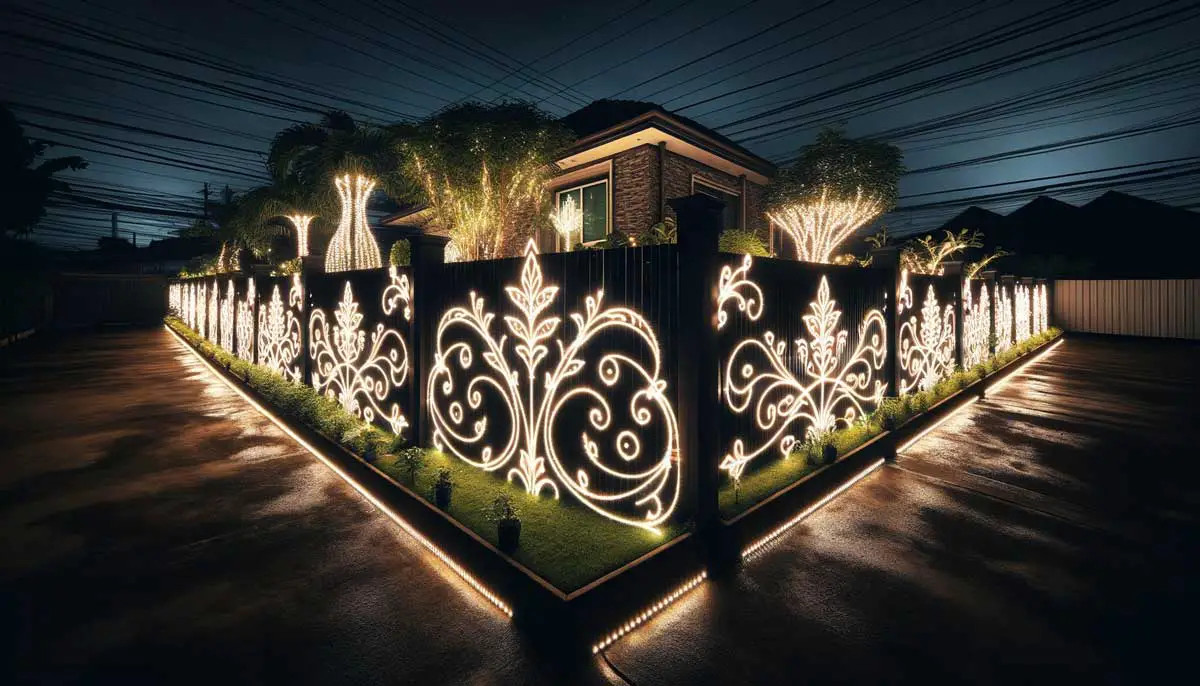
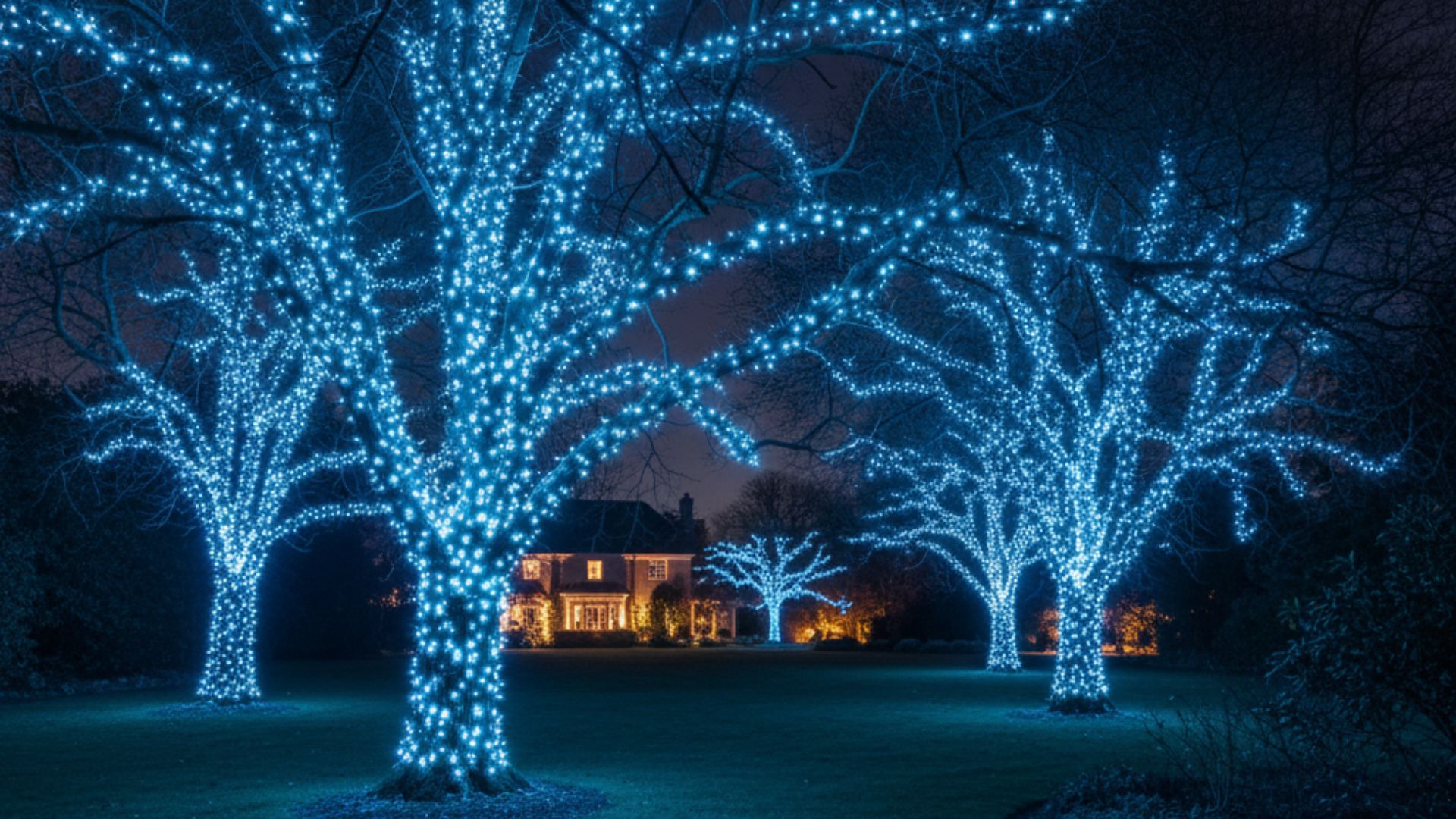
Outdoor lights aren’t just there to brighten your yard; they’re there to set the mood and make your outdoor spaces shine—literally and figuratively. Whether you’re going for a relaxed vibe on your patio or a well-lit walkway that’s as practical as it is inviting, the kind of light you use can make or break the ambiance.
One thing many people overlook is color temperature, and trust me, it’s a game-changer. The right temperature can turn your backyard into a warm and cozy retreat or give it a sleek, modern edge that feels fresh and vibrant.
In this article, we’ll explore how to choose the best color temperature to suit your needs and style. With the right tips and a little know-how, you’ll be on your way to creating outdoor spaces that are both functional and fabulous.
Understanding Color Temperature

Color temperature might sound like a fancy term, but it’s actually quite simple once you break it down. It’s all about the warmth or coolness of your light, measured in Kelvins (K), and it can completely change how your outdoor space feels.
What Is Color Temperature?
Think of color temperature as the personality your light brings to the table. Warm lights give off a cozy, golden glow that feels inviting, while cooler lights are crisp, sharp, and perfect for when you need to get things done.
The Kelvin scale helps us figure out where a light falls, and it ranges from warm to cool. Here’s a quick cheat sheet to show you what that looks like:
- Warm White (2,000K–3,000K): Soft and yellowish, this light creates a calm and intimate vibe, making it great for patios, decks, or any spot where you want to kick back and relax.
- Neutral White (3,500K–4,500K): Balanced and versatile, this light is ideal for pathways, entryways, or areas where you want clear visibility without feeling like you’re in a hospital corridor.
- Cool White and Daylight (5,000K–6,500K): Bright and bluish, these lights are all about functionality and clarity, perfect for security lighting or any space where you need sharp visibility.
Why Does It Matter?
The color temperature of your outdoor lights does more than just illuminate—it sets the tone for the entire space. It’s the secret ingredient that can make your yard feel like a dreamy retreat or, well, a floodlit parking lot.
Different areas of your home need different lighting vibes, and the right color temperature helps you nail that balance. For example, a warm glow can make your patio feel inviting, while a cooler tone might make your driveway look modern and sophisticated.

How to Choose the Right Color Temperature
Picking the right color temperature is all about knowing what you want your outdoor space to feel like and how it will be used. Start by considering the specific area and the mood you’re aiming for.
Ask yourself these questions to narrow it down:
- What’s the purpose of this light? If it’s for a relaxing space, warm light works wonders. For task-focused areas, cooler tones are the way to go.
- How does it match the style? Modern designs often pop with cooler lights, while warmer tones complement more traditional or rustic setups.
- What about the surroundings? Warm lights enhance natural textures like wood or stone, while cool lights make clean lines and contemporary features stand out.
Factors to Consider When Choosing Color Temperature

Choosing the right color temperature isn’t just about making your yard look good—it’s about creating a space that feels right. Whether you’re after a cozy nook or a functional walkway, a few simple factors can help you get it just right.
Purpose of the Lighting
What’s the main goal of the lighting? Is it to create ambiance, provide visibility, enhance security, or a mix of everything?
Your purpose will help you decide which color temperature works best:
- Relaxation Spots: Warm white light (2,000K–3,000K) sets a soft, inviting tone that’s perfect for patios or seating areas. It creates a cozy, comfortable vibe that makes outdoor spaces feel like home.
- Functional Spaces: Neutral white light (3,500K–4,500K) offers a practical glow that works well for pathways or entryways. It’s bright enough to improve visibility but subtle enough to keep the space balanced.
- Task and Security Zones: Cool white light (5,000K–6,500K) provides sharp, bright illumination ideal for safety or detailed tasks. It’s the go-to option for driveways or security lighting.
Location and Environment
Where you’re placing the lights matters as much as why you’re using them. Different areas around your home have different lighting needs.
Here are a few things to consider:
- Architectural Style: Warm lights complement the charm of traditional homes, making them feel timeless and inviting. On the other hand, cooler tones pair well with modern designs, adding a clean and sophisticated look.
- Surrounding Features: Warm light enhances the natural tones of greenery, wood, and stone, giving them a rich, earthy glow. Cooler light, meanwhile, sharpens lines and textures, making metal or concrete features stand out.
- Regional Climate: If you live in a colder region, warm tones can bring a sense of comfort to outdoor spaces. In warmer climates, cooler lights help create a refreshing, airy feel.
Mood and Atmosphere
Think about the vibe you want to create. Lighting doesn’t just illuminate; it sets the tone.
Here’s how different color temperatures affect the mood:
- Cozy and Relaxed: Warm lights make outdoor spaces feel soothing and intimate, perfect for quiet evenings or romantic dinners. Their golden tones create an ambiance that encourages relaxation.
- Bright and Energized: Cool lights bring energy to outdoor spaces, making them feel lively and modern. They’re great for entertaining or for areas where you want a crisp, clean look.

Practical Considerations
It’s not all about looks—your lights need to work well, too. A little practicality goes a long way in making outdoor lighting effective.
Here are a few tips to keep in mind:
- Energy Use: LEDs in cooler tones are energy-efficient but can feel a bit harsh in certain settings. Consider balancing cooler lights with warmer options in spaces that need a softer touch.
- Reducing Glare: Warm or neutral tones are easier on the eyes and help minimize light pollution, especially in neighborhoods. They’re also better for maintaining a natural, seamless look in your yard.
- Flexibility: Adjustable fixtures let you tweak the color temperature to suit your mood or specific needs. This is especially helpful for multipurpose spaces like patios or decks.
Practical Guidelines for Selecting the Right Color Temperature

Getting the right color temperature for your outdoor lighting isn’t rocket science—it’s more like figuring out the perfect coffee order: personal, satisfying, and worth the effort. A few thoughtful steps can help you transform your outdoor space into something both functional and beautiful.
Consider the Space and Its Purpose
Each part of your yard serves a different purpose, so why should all the lighting feel the same? Matching the color temperature to the space’s function ensures everything feels just right.
Here’s how to tailor your lighting to specific areas:
- Cozy Corners: Use warm white light (2,000K–3,000K) for patios, decks, or lounge areas. This tone gives off a relaxed, welcoming glow that makes these spaces perfect for winding down.
- Practical Pathways: Neutral white light (3,500K–4,500K) is ideal for walkways and steps. It’s bright enough to guide you safely while keeping the ambiance balanced and approachable.
- Task-Heavy Zones: Cool white light (5,000K–6,500K) works best for driveways, garages, or workspaces. It provides the clarity and brightness you need to focus and feel secure.
Mix and Match for Depth
Outdoor lighting is a lot like decorating—you don’t just pick one thing and call it a day. Combining different light temperatures creates layers that make your space more dynamic and visually interesting.
Here’s how to layer your lighting for maximum effect:
- Spotlight Features: Highlight trees, sculptures, or textured walls with warm lights. This creates focal points and adds personality to your yard.
- Guide the Way: Use neutral-toned lights for pathways or stairs to keep things functional and polished. They work well without overpowering the overall look.
- Create Ambiance: Add string lights, lanterns, or uplights with a warm tone to give the space a soft, inviting glow. It’s the finishing touch that ties everything together.

Test Before You Commit
Choosing lighting without testing it out first is like buying shoes without trying them on—it rarely works out as planned. A little experimenting can go a long way in finding the right fit.
Try these methods to make sure your lighting works for you:
- Temporary Setups: Place lights in the intended spots to see how they look and feel. This helps you understand how different temperatures interact with the space.
- Compare Samples: Grab a few fixtures in varying color temperatures and test them side by side. It’s an easy way to spot the one that clicks with your vision.
- Tunable Options: If you’re on the fence, go for lights with adjustable color temperatures. They let you switch things up depending on the mood or occasion.
Steer Clear of Common Mistakes
Even the best intentions can lead to lighting hiccups. Luckily, avoiding a few common pitfalls can save you time, money, and frustration.
Here’s what to watch out for:
- Overlighting Spaces: Too much cool light can make your yard feel like a stadium. Balance it out with warmer tones to keep things cozy.
- Ignoring Context: Consider how the lighting complements your landscaping and home design. The wrong tone can feel jarring and out of place.
- Forgetting Efficiency: LEDs offer energy savings and come in a range of temperatures. They’re a smart choice for lighting that’s both eco-friendly and stylish.
Selecting the Right Color Temperature for Your Outdoors
Finding the perfect color temperature for your outdoor lighting can completely change how your space looks and feels. It’s about striking the right balance—making things functional while setting just the right vibe. The right light doesn’t just illuminate your yard; it adds warmth, energy, and personality to every corner.
Now that you know the ins and outs of warm, neutral, and cool tones, it’s time to bring your ideas to life. Play around with different setups, tweak the glow, and watch your outdoor space transform into something uniquely yours. With the perfect lighting in place, your yard will be more than just well-lit—it’ll be unforgettable.