Outdoor lighting isn’t just about keeping the dark at bay—it’s what makes your space feel alive and welcoming long after sunset. From creating a cozy atmosphere to boosting security, getting the wattage just right can make all the difference.
Wattage isn’t as straightforward as it might seem, though. It affects not only how bright your lights are but also your energy usage, your electric bill, and even how your outdoor setup looks and feels.
In this article, we’ll walk you through everything you need to know to choose the perfect wattage for your outdoor lighting. By the end, you’ll feel confident about balancing brightness, efficiency, and style like a pro.
Understanding Wattage and Lumens

When it comes to outdoor lighting, wattage and lumens often get tossed around like interchangeable terms—but they’re not the same thing.
Wattage is all about how much energy a bulb uses, while lumens are what actually determine how bright that bulb shines. If you want lighting that’s efficient and effective, knowing the difference between the two is key.
Here’s the lowdown on what wattage and lumens really mean:
Wattage measures energy use:
- Wattage refers to how much electricity a light bulb needs to function. In the old days of incandescent bulbs, higher wattage meant brighter light, but that’s not the case anymore with modern lighting. Today, it’s possible to get bright lights using lower wattage, especially with energy-efficient options like LEDs.
Lumens measure brightness:
- If wattage is about energy, lumens are all about the glow. They measure how much light a bulb produces, so the higher the lumens, the brighter your space will be. This means you can no longer rely on wattage alone to guess a bulb’s brightness—lumens are the real hero here.
The LED advantage:
- LEDs have flipped the script on how we think about lighting by delivering high lumens with low wattage. This means you can enjoy bright, vibrant outdoor spaces without overloading your energy bill. Plus, LEDs last longer, which saves you money in the long run.
Factors to Consider When Choosing Wattage for Outdoor Lights

Choosing the right wattage for outdoor lights isn’t just about picking a random bulb off the shelf—it’s about matching your lighting to your needs and creating the perfect balance of brightness and efficiency. To make the process easier, there are a few important factors to keep in mind:
Purpose of the lighting:
- The first thing to figure out is what you need the light to do. If it’s for security, you’ll want brighter, higher-wattage bulbs that can cover large areas and make potential intruders think twice.
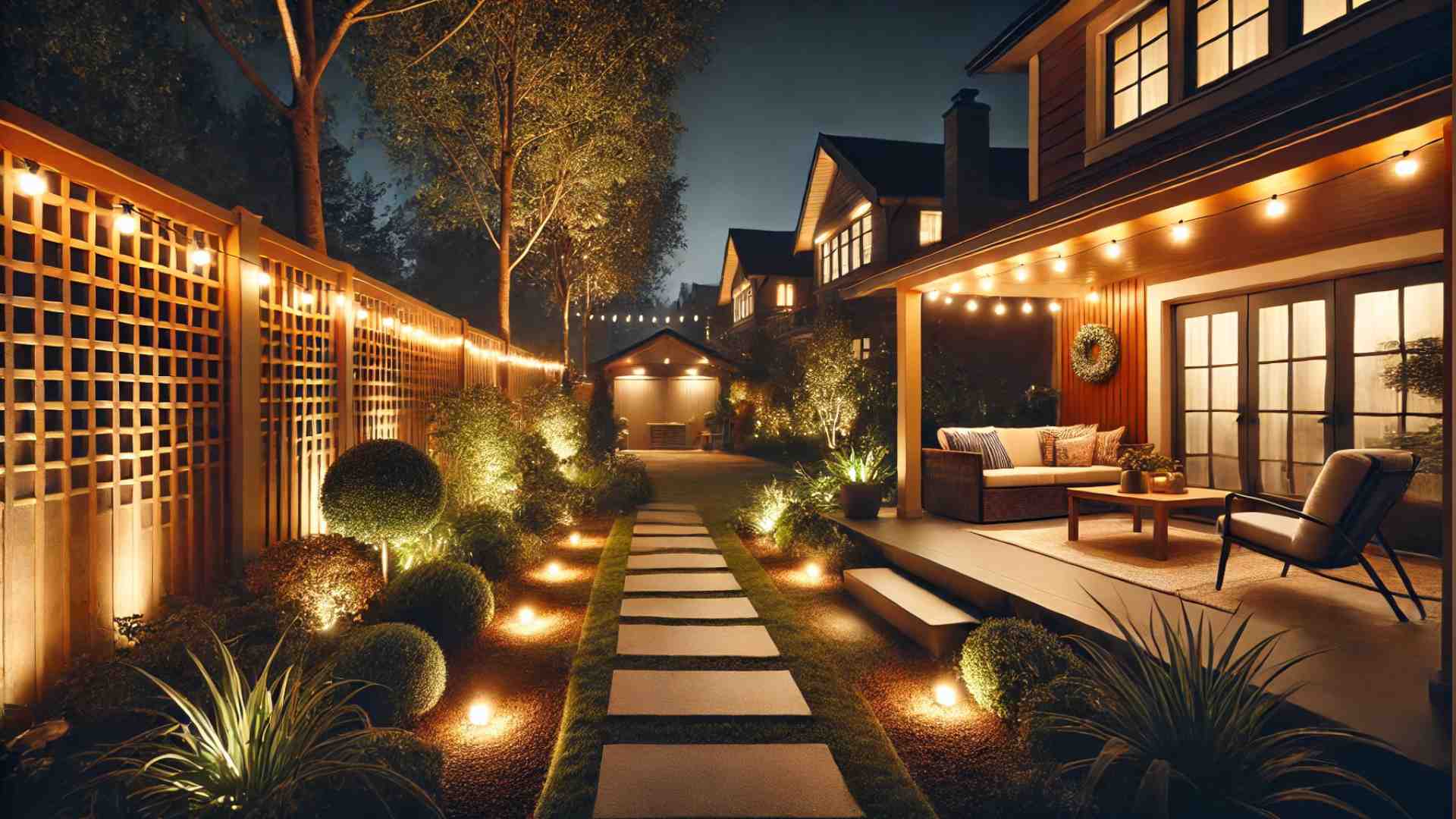
- For cozy spaces like patios or pathways, lower-wattage options are perfect for creating a warm and inviting atmosphere without overwhelming the area.
Type of fixture:
- Not all fixtures are created equal, and each comes with its own wattage limits. For instance, solar lights are built for low-power bulbs, while floodlights often need higher wattage for effective coverage. Always double-check your fixture’s specifications to avoid overheating or shortening its lifespan with the wrong bulb.
Energy efficiency goals:
- If saving on electricity is a priority, wattage becomes even more important. LEDs are a smart choice because they give you plenty of brightness with minimal energy use, often at a fraction of the wattage required by traditional bulbs. This means you can light up your outdoor spaces beautifully while keeping your energy bills under control.
Local lighting regulations:
- Some neighborhoods or cities have rules about outdoor lighting to prevent excessive glare or light spilling into other properties. Using higher wattage without considering these guidelines can lead to complaints or even fines.
- It’s always a good idea to check local regulations to ensure your lighting is both effective and considerate of your neighbors.
Matching Wattage to Outdoor Lighting Scenarios

Different outdoor spaces have different lighting needs, and that means choosing the right wattage for each area is key. The goal is to strike a balance between function and ambiance, ensuring each space is well-lit without overdoing it.
Here’s a guide to help you match wattage to common outdoor scenarios:
Pathways and driveways:
- For these areas, low to medium wattage is your go-to—around 40 to 60 watts for traditional bulbs or their LED equivalents. You want just enough light to guide the way safely without creating a blinding effect. A soft, even glow not only improves visibility but also keeps your outdoor space looking calm and inviting, not like the parking lot of a superstore.
Porches and entryways:
- Your entryway should feel welcoming, so aim for medium wattage in the 60 to 100-watt range for traditional bulbs. This gives you clear, practical lighting that helps you find your keys or greet guests without dazzling anyone. It’s all about creating a friendly atmosphere that says, “Come on in!” without blaring a spotlight.
Landscaping and gardens:
- Highlighting your plants and outdoor features calls for subtle, low wattage—usually under 40 watts or their LED equivalent. Soft lighting works best here, casting gentle shadows and showcasing textures without stealing the show. Think of it as mood lighting for your backyard, setting a serene tone while adding depth and charm.
Security lighting:
- When safety is the priority, higher wattage—around 100 watts or more—is your best bet. Bright lighting illuminates large areas, discouraging intruders and giving you a clear view of your surroundings.
- For added efficiency, consider pairing it with motion sensors, so your space is lit only when it needs to be, saving energy and reducing glare.
Entertainment areas:
- Patios and outdoor dining spaces benefit from medium wattage, somewhere between 40 and 75 watts, depending on the size of the space. You want enough light to enjoy meals or conversations comfortably without overpowering the cozy ambiance.
- Dimmable fixtures or string lights are great for adding flexibility, letting you switch between vibrant gatherings and relaxed, intimate evenings.
Common Mistakes to Avoid

Even the best outdoor lighting plans can hit a snag if you fall into a few classic traps. To help you get it right the first time, here are some mistakes to avoid when choosing wattage for outdoor lighting:
Overestimating wattage needs:
- It’s easy to assume that the brighter the light, the better the results—but that’s not always true. Overly bright lights can create harsh glare, making your space feel uncomfortably stark and uninviting. Instead, match the wattage to the purpose, like using softer lighting for pathways and reserving stronger lights for security needs.
Ignoring fixture specifications:
- Every light fixture has a wattage limit for a reason, and going over it can cause serious problems. Exceeding the recommended wattage can lead to overheating, damage to the fixture, or even potential safety hazards.
- Always check the label or guidelines to make sure your bulb fits the bill—literally and figuratively.
Skipping energy-efficient options:
- If you’re still using traditional high-wattage bulbs, it’s time to upgrade. LEDs deliver the same level of brightness with significantly less wattage, making them an eco-friendly and budget-smart choice.
- They also last much longer, meaning fewer trips to the store for replacements and more time enjoying your well-lit space.
Practical Tips for Choosing the Right Wattage

Choosing the right wattage for your outdoor lights doesn’t have to be a head-scratcher. With a little thought and a few clever strategies, you can light up your space beautifully without wasting energy or breaking the bank. Here are some tips to help you make smart choices:
Assess the purpose of each light:
- Start by thinking about what you need each light to accomplish. Security lights, for instance, might require higher wattage to cover large areas, while pathway lighting benefits from softer, lower wattage to guide the way. Matching the wattage to the purpose ensures you’re not overdoing it—or worse, underlighting a key spot.
Factor in the size of the space:
- The size of the area you’re lighting should directly influence your wattage choice. A spacious backyard or driveway may call for higher wattage to ensure even illumination, while a small garden nook or patio feels cozier with lower wattage.
- Scaling the wattage to the space helps avoid over-lighting, which can feel harsh, and under-lighting, which can feel ineffective.
Consider layering your lighting:
- Instead of relying on one bright, high-wattage bulb, consider using multiple lights with lower wattage to create layers. This technique adds depth and texture to your space by balancing highlights and shadows. It also gives you more control to adjust specific areas without overwhelming the whole setup.
Experiment with dimmers and adjustable fixtures:
- If you’re unsure how much light you’ll need, dimmable bulbs are your best friend. They let you adjust brightness to suit different occasions—bright for a lively BBQ, soft for a quiet evening.
- Adjustable fixtures are equally handy, allowing you to direct light exactly where it’s needed, whether it’s a table, a pathway, or a spotlighted feature.
Check wattage equivalency charts for LEDs:
- When using LEDs, wattage can be deceiving since they’re so much more efficient than traditional bulbs. Equivalency charts can help you compare wattage to lumens, ensuring you get the brightness you’re after without overdoing it. For example, a 9-watt LED can match the light output of a 60-watt incandescent, giving you the same glow for a fraction of the energy.
Finding the Ideal Wattage for Your Outdoor Lights
Getting wattage right isn’t just about avoiding shadows or glare—it’s about creating a space that feels inviting, functional, and perfectly balanced. Each area of your outdoor space, whether it’s a garden, driveway, or patio, deserves lighting that suits its purpose. By understanding wattage and applying it thoughtfully, you’ll not only brighten your yard but also make it more energy-efficient and enjoyable.
Now it’s time to put these tips to work and let your outdoor lighting shine. From subtle pathway glows to secure, well-lit entryways, smart wattage choices can completely transform your space. So, grab your bulbs, map out your vision, and enjoy an outdoor area that’s as beautiful as it is brilliantly lit.