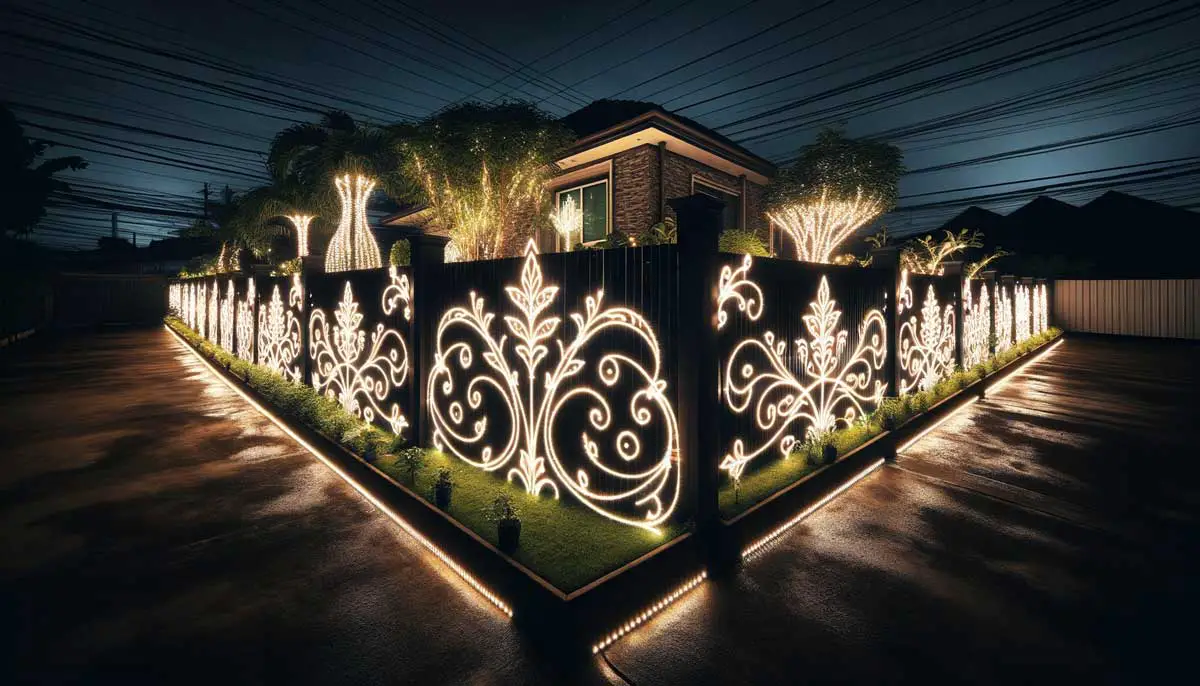
A garden with stairs and walls looks great and stunning during the day, but it becomes a different story when shadows start to take over. Stairs that were easy to see earlier can suddenly feel uncertain, especially when the sun goes down.
Walls add to the challenge by creating uneven pockets of shadow that hide changes in level. A simple step down or a short turn can become harder to judge than expected.
Today, in this article, we will look at practical and safe ways to light garden stairs and walls so movement stays clear, steady, and easy to trust.
So, without further ado, let’s get started.
Identify All Risk Areas in the Garden First

Before you choose any fixture, step outside with a strong flashlight and slowly walk through your garden at night. This simple walk helps you spot where shadows start hiding changes in ground level, making garden stairs and walls harder to read.
As you move along, pay attention to how the retaining walls sit near your garden stairs. These solid surfaces often block light and create uneven shadows, which can blur the edges where each step should be clearly visible.
Next, focus on sharp turns in your walkways, especially where paths bend close to walls or other fixed structures. These spots often feel less predictable, and even a familiar route can become harder to judge when visibility drops.
Putting all of these observations together gives you a clearer picture of where lighting is truly needed. It removes guesswork and helps you place lights in areas that support safer and more confident movement through the garden.
Here are a few tips to keep in mind:
- Stand at the top of each stair section and check if your body blocks nearby light sources as you move downward.
- Observe low plants near wall edges that could gradually extend into the light path and reduce visibility.
- Walk from a bright patio area into a darker garden path and notice how quickly your eyes adjust to the change in light.
Light Each Step Clearly and Evenly

Every step on your garden stairs needs steady light so your footing stays clear and confident. Leave even one step in the dark, and it can quickly become a spot that’s easy to misjudge when you’re walking through.
To avoid that, aim each light downward so it spreads evenly across the flat surface of every step. This helps define the edge of the stone clearly, making level changes easier for the eyes to follow.
From there, keep your fixtures spaced in a steady pattern from the top of the stairs to the bottom. When lighting feels uneven, with bright spots sitting next to dim areas, the steps become harder to read and movement can feel less certain.
Here are a few more tips to consider:
- Install lights on every other step if the staircase is narrow and has a standard rise.
- Use fixtures with solid metal shields that push light downward onto the step.
- Position fixtures so each beam slightly overlaps at the center of each tread for smoother coverage.
- Clean lenses regularly to remove dirt and dust that can weaken the light output.
Use Wall Lighting to Guide Movement Along Paths

A long retaining wall beside a walkway does more than hold soil in place. It can quietly guide movement through your garden, especially when lighting helps define its shape at night.
To make that guidance clear, aim the fixtures so light spreads evenly across the wall’s surface. This helps outline the edge of the walkway and makes it easier to navigate the garden at night.
Once the wall is clearly defined, it also helps support the lighting around nearby garden stairs. The wall becomes a visual reference point, so the brighter stair lighting does not feel isolated or confusing when you move between levels.
From there, consistency becomes important. Mount the fixtures at a steady height so the light forms a continuous line along the wall, helping the eye follow the path naturally from one end to the other.
Here are a few tips to keep in mind:
- Space wall fixtures about four to six feet apart to keep the lighting even along the full length of the wall.
- Place low-voltage fixtures into the masonry during construction to keep wiring hidden and protected.
- Aim the beams toward the lower section of the wall where it meets the walking surface for clearer definition.
- Angle the fixtures away from seating areas so the light supports movement rather than distracting nearby resting spots.
Choose Fixtures Built for Outdoor Conditions

Garden lights spend their life dealing with rain, splashing soil, and the occasional over-enthusiastic sprinkler. If the fixtures are weak or meant for indoor use, they tend to fail quickly, leaving dark patches right where you need clear visibility most.
That’s why sturdier materials matter. Solid metal housings like brass or copper hold up much better over time, resisting rust and handling both hot afternoons and cooler, damp evenings with far less trouble.
It also helps to check the Ingress Protection rating on the packaging. This rating shows how well the fixture keeps water out, which is important for preventing moisture from reaching the electrical parts inside.
When water stays out, the lighting stays dependable, keeping garden stairs and walls visible throughout the year. Strong construction also means fewer repairs and fewer moments of discovering a light has stopped working at the worst possible time.
Here are a few more tips to consider:
- Look for an IP65 rating or higher to ensure the fixture can handle direct water spray from garden hoses.
- Choose solid cast brass parts if your garden uses fertilizer systems that may corrode lighter metals over time.
- Check that the lenses are made from thick tempered glass to resist cracks from small impacts like flying gravel.
- Make sure rubber gaskets are tightly fitted around joints to help block insects and reduce moisture buildup inside the fixture.
Use Soft Lighting Instead of Harsh Bright Beams

Using very bright spotlights in your garden can make everything feel harsh and harder to move through. Instead of helping, those strong beams can mess with your eyes and leave surrounding areas oddly dark in comparison.
A softer lighting setup works much better for garden stairs and walls. It gives your eyes time to adjust naturally while keeping paths visible and the space feeling calm and comfortable.
Lower brightness bulbs are a smarter choice for this kind of setup. They spread light more evenly across stone steps and walls, avoiding glare that can feel uncomfortable.
Warm-toned lighting also helps the garden feel more inviting and easy to move through. It keeps everything functional while still maintaining a relaxed and pleasant outdoor atmosphere.
Here are a few more tips to help you:
- Look for bulbs with a warm color temperature between 2700K and 3000K on the packaging.
- Use frosted or diffused lenses to spread light evenly across stone surfaces and reduce harsh spots.
- Aim fixtures downward so light stays on the ground and does not shine directly into a person’s eyes.
- Choose low-wattage LED bulbs to keep the lighting soft while also reducing energy use.
Direct Light Downward for Safer Step Visibility

Pointing your lights straight down toward the ground is one of the most effective methods for keeping garden paths safe. This angle keeps the light focused on the stone and concrete surfaces where every step actually happens.
Lights that face upward or straight ahead can easily make walking more difficult, especially on stairs with multiple levels. The brightness can hit your eyes and make it harder to judge where one step ends and the next begins.
When light is directed downward, it creates gentle shadows at the edge of each step. That contrast helps your eyes pick up changes in level more quickly and naturally.
This same downward direction also works well on nearby walls, helping define the lower edge of the garden path. It keeps the walking route clear while still leaving upper areas calm and easy on the eyes.
Here are a few more practical tips to keep in mind:
- Add metal shields or hoods on post lights so the beam is pushed downward.
- Place fixtures below knee height to keep light aimed under direct eye level.
- Use wall fixtures with downward louvers to control and narrow the light spread.
- Aim tree-mounted spotlights straight down to create a clean lighting effect over stairs and paths.
Keep Your Garden Stairs and Walls Safely Illuminated
Garden stairs and walls are much safer when lighting is planned with clarity in mind. When each step and border is visible, moving through the garden feels more stable and less uncertain.
This clarity comes from placing lights where they support natural movement. When brightness is controlled and directed properly, the space feels balanced instead of scattered.
Good lighting also works best when it follows a steady pattern along the entire path. When light is consistent from one end to the other, your eyes adjust more easily and movement feels smoother.
If your stairs feel steady and the walls quietly guide your path, the lighting is doing exactly what it should.