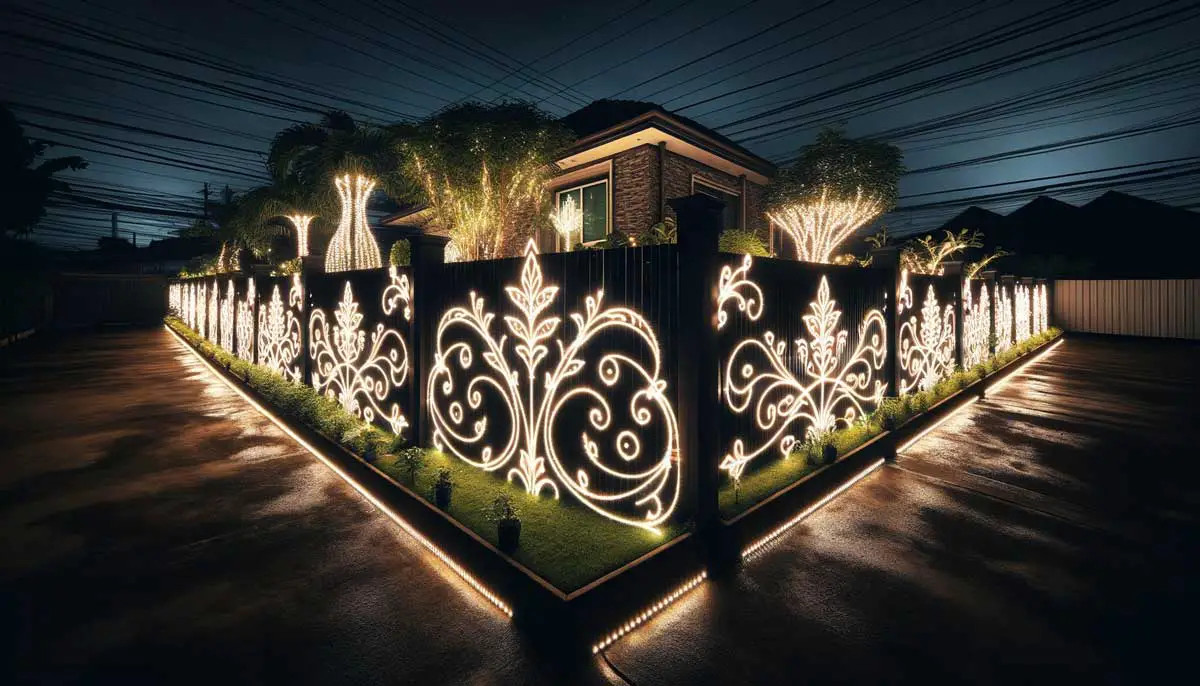
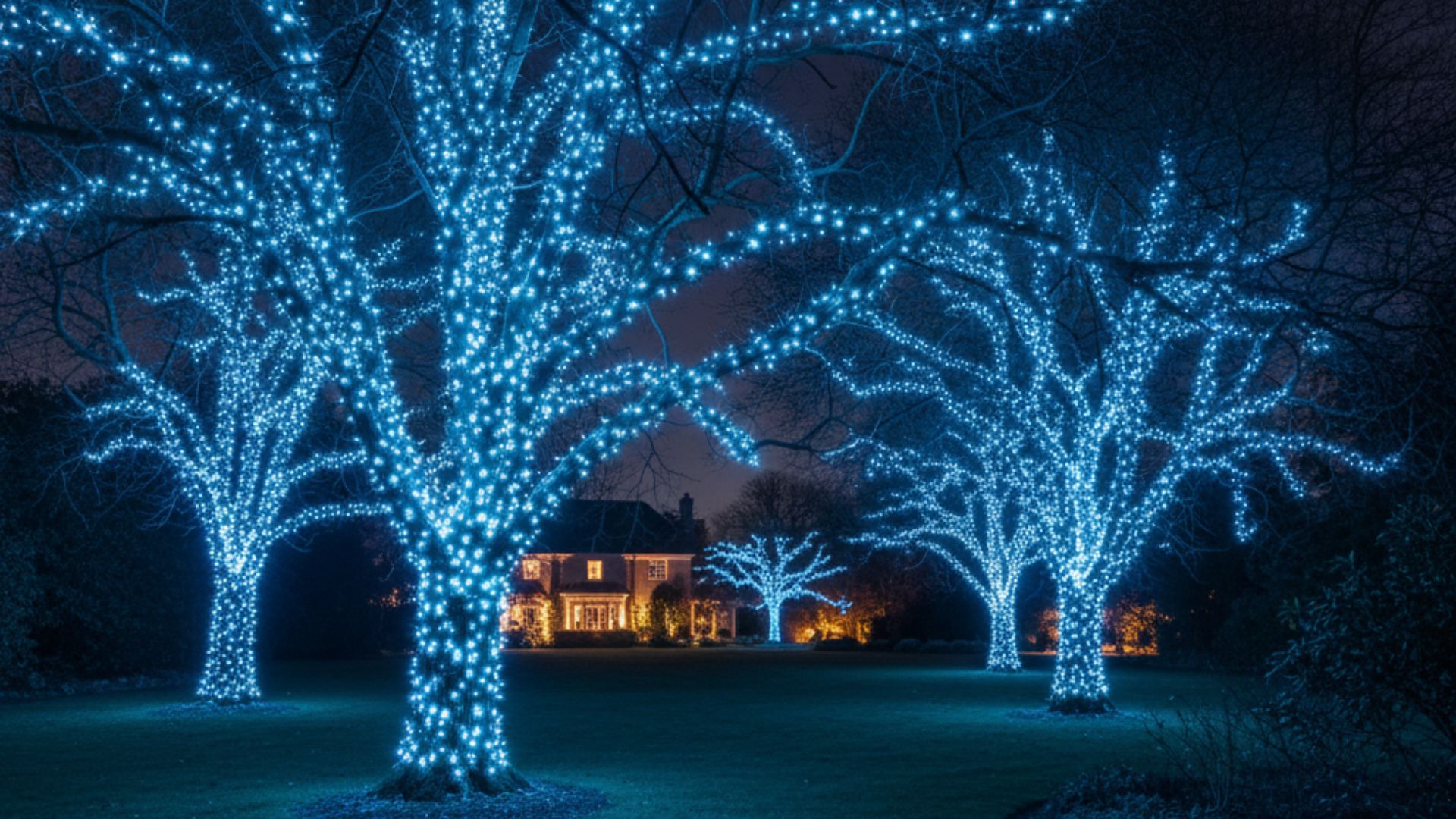
Outdoor lighting is like the quiet host of your home—it starts welcoming people even before they step inside. When the yard is too dark, guests often slow down near their cars or hesitate at the edge of the driveway, unsure of where to go next, almost like they’ve reached an unfamiliar path.
A few well-placed lights can change that right away. What used to feel unclear or awkward becomes an easy, natural walkway that guides people in the right direction. And the best part is, you don’t need a big budget or overly bright floodlights to make your space feel open and easy to move through.
In this article, we’ll explore simple layout ideas that help your outdoor lighting gently guide visitors from the curb all the way to your back patio or home
But first, we need to:
Understand the Psychology of Visual Hierarchy

Our eyes naturally go straight to the brightest spot in any scene. You can use this simple habit to gently guide how guests move through your outdoor space at night.
Here are a few simple lighting ideas that explain how this works in practice:
- Light attraction — People are naturally drawn toward light, a behavior often called phototaxis. Soft lighting near your front door helps visitors move forward without thinking too much about it.
- Creating focal points — A well-lit feature, like a tree or a small water element at the end of a pathway, gives guests a clear sense of direction. It helps them understand where to go and makes the space feel more grounded and easy to navigate.
- Avoiding harsh contrast — Very bright floodlights can create strong shadows right next to the light, which feels uncomfortable and harsh on the eyes. A more balanced lighting setup avoids harsh shadows and makes the space easier and more comfortable to move through.
Now here are the tips on how to effectively use outdoor lighting in guiding your guests:
Tip 1: Establish a Clear Arrival Zone at the Driveway and Curb

Good outdoor lighting should guide guests the moment they arrive. A dark driveway can leave people slowing down, searching for your house, or guessing where to park. Adding light near the curb and entrance makes your home easier to spot and helps guests feel more comfortable right away.
This first layer of lighting doesn’t need to be harsh or overly bright. A few well-placed fixtures can make the entrance feel clear, safe, and easy to navigate.
Here are a few simple ways to light this area:
- Low-voltage bollards — These short lighting posts help outline the driveway and guide guests toward the entrance. They cast soft downward light that keeps the area visible without feeling too bright.
- In-ground well lights — These fixtures sit flush with the ground and work well for lighting trees, stone pillars, or other features near the curb. They add depth and help your home stand out at night.
- Illuminated house numbers — A lit address sign makes your house much easier to find from the street. It also adds a clean, polished touch to your outdoor setup.
Tip 2: Implement Staggered Path Lighting Along Primary Walkways

Once guests leave their cars, your walkway should naturally guide them toward your front door. A common mistake is lining lights up in straight, even rows, which can feel harsh and a bit overwhelming. A staggered layout feels more natural and helps people move along the path with less effort.
By placing lights alternately from side to side, the illumination spreads more evenly across the walkway. This reduces harsh glare, softens shadows, and helps guests clearly see the path ahead. The result is a smoother, more comfortable walking experience that feels easy to follow at night.
Here are a few fixture styles that work especially well with this approach:
- Top-shielded hat fixtures — These classic path lights direct light downward onto the walkway, helping reduce glare and keeping the path easy on the eyes.
- Asymmetrical path lights — These fixtures shine light in one direction instead of all around. They work well in flowerbeds where you only want to light the nearby walkway.
- Low-profile LED strips — Hidden beneath the edge of a stone walkway, these slim lights create a clean line of light that outlines the path with a modern look.
Tip 3: Utilize Moonlighting for a Natural, Softly Lit Journey

A well-lit walkway is important, but it can feel a little strange if everything around it drops into total darkness. Adding wider ambient light helps your yard feel more open, balanced, and easier to take in. It also gives guests a better sense of space, so they can appreciate the full layout of your garden at night.
One of the most natural-looking ways to do this is through a technique called moonlighting. Instead of placing lights on the ground, you mount them high up in tree branches and aim them downward. The light filters through the leaves and branches, creating soft, shifting shadows that look very similar to real moonlight. The effect of this outdoor lighting style can feel calm across your lawn.
This approach is especially useful for bigger yards where path lights alone can’t cover everything. It fills in the open spaces with a gentle glow that ties the whole landscape together.
Here are a few key components used to achieve this effect:
- Downlight bullet fixtures — These strong, adjustable lights are secured high in tree canopies, usually around 20 to 30 feet up. Their bulbs are recessed, so you don’t see the source of the light from below.
- Tree mount junction boxes — These specialized mounting systems keep wiring safe and organized while allowing trees to grow naturally without damage. They help the lighting system stay stable over time.
- Warm-white core bulbs — A color temperature around 3000K works best for a natural moonlight feel. It keeps the landscape looking fresh and green while avoiding overly harsh or orange tones.
Tip 4: Integrate Flush Step and Retaining Wall Lighting for Vertical Transitions

Any change in level—whether it’s a step, a staircase, or a retaining wall—can become tricky at night. Even a small drop can catch someone off guard if it’s not clearly visible. That’s why good outdoor lighting should clearly define these vertical changes so guests can move through your space without hesitation.
The key is to help people easily read height differences and surface edges. Instead of shining light directly into their eyes, especially on stairs, it works better to spread soft light across each step and along retaining walls. This way, every level change is clearly marked, and the space feels much easier to navigate.
When these areas are well lit, your yard instantly feels more open and safe. Guests don’t have to carefully watch every step—they can simply walk and enjoy the space.
Here are a few lighting options that work especially well for steps and retaining walls:
- Undercap hardscape fixtures — These slim lights sit under the edge of stone steps or retaining walls. They create a soft downward glow that highlights structure while lighting the ground below.
- Recessed riser lights — Installed directly into the vertical face of steps or low retaining walls, these fixtures shine light forward onto the walking surface. They stay flush with the structure for a clean, unobtrusive look.
- Lighting fixtures with louvered faceplates — These covers help control glare by directing light downward instead of outward. This keeps steps and retaining walls well lit while remaining comfortable to look at.
Tip 5: Employ Accent Uplighting to Define Boundaries and Sightlines

A well-lit walkway is important, but it shouldn’t feel like the only thing visible in your yard. If everything outside the path disappears into darkness, the space can feel narrow or even a bit uneasy. Accent lighting helps fix that by bringing parts of the surrounding landscape into view, giving your yard more depth and balance.
By softly lighting nearby trees, stone walls, or architectural features just off the path, you help define the edges of your space. Guests get a better sense of where the property begins and ends, which makes the walkway feel more natural to follow. It also gives a subtle sense of direction, helping people stay comfortably on the main route without feeling confined.
The goal is to keep the lighting soft and intentional, not distracting. A warm, even glow works best for gently guiding the eye around the landscape.
Here are a few lighting tools that help create this effect:
- Adjustable directional spotlights — These fixtures let you aim a focused beam exactly where you need it. They’re great for highlighting textured stone walls, trees, or other standout features.
- Deeply recessed lenses — These fixtures reduce glare by hiding the light source from direct view. This keeps attention on the feature being lit, not the brightness of the fixture itself.
- Variable beam spreads — Narrow beams work well for tall trees or columns, while wider beams are better for softly lighting large surfaces like retaining walls or dense greenery.
Light Your Yard with Guest-Friendly Outdoor Lighting
A well-lit yard is really about helping your guests move through the space with ease. When path lights and accent lighting work together, they create a natural flow that gently guides people from the driveway all the way to your home.
Good lighting design often goes unnoticed in the best way. Your guests simply follow the light without thinking about it, park with confidence, and focus on enjoying their time instead of figuring out where to go.
Using the tips we’ve discussed in this article as a guide can indeed make a big difference, turning your outdoor lighting into something that quietly welcomes everyone in.