In the realm of outdoor lighting, plant lights are a specialized category, offering a unique blend of aesthetic appeal and practical utility. They transform ordinary landscapes into radiant havens, where nature’s beauty is not just visible but vividly accentuated.
Moving into the heart of this topic, we delve into the intricacies of outdoor plant lights. These lights are more than mere illuminators; they are vital players in the health and beauty of our green spaces.
From highlighting the intricate patterns of leaves to supporting the growth of plants in low-light conditions, outdoor plant lights serve a dual purpose. They bring a magical glow to gardens and patios while simultaneously promoting the well-being of the plants they shine upon.
In the following sections, we will explore the different creative ideas using plant lights, their benefits, and how to choose and install them effectively in your outdoor spaces.

Harnessing the Power of Plant Lights: Practical and Decorative Uses
Enhancing Plant Growth
The most fundamental use of outdoor plant lights lies in their ability to support and enhance plant growth. Certain plants, particularly those in shaded areas or in climates with limited sunlight, may struggle to receive adequate light.
By using plant lights, you can provide these plants with the necessary spectrum of light to promote healthy growth. These lights can be especially beneficial during the shorter days of fall and winter, ensuring that your plants receive a consistent amount of light regardless of natural sunlight availability.
Accentuating Garden Features
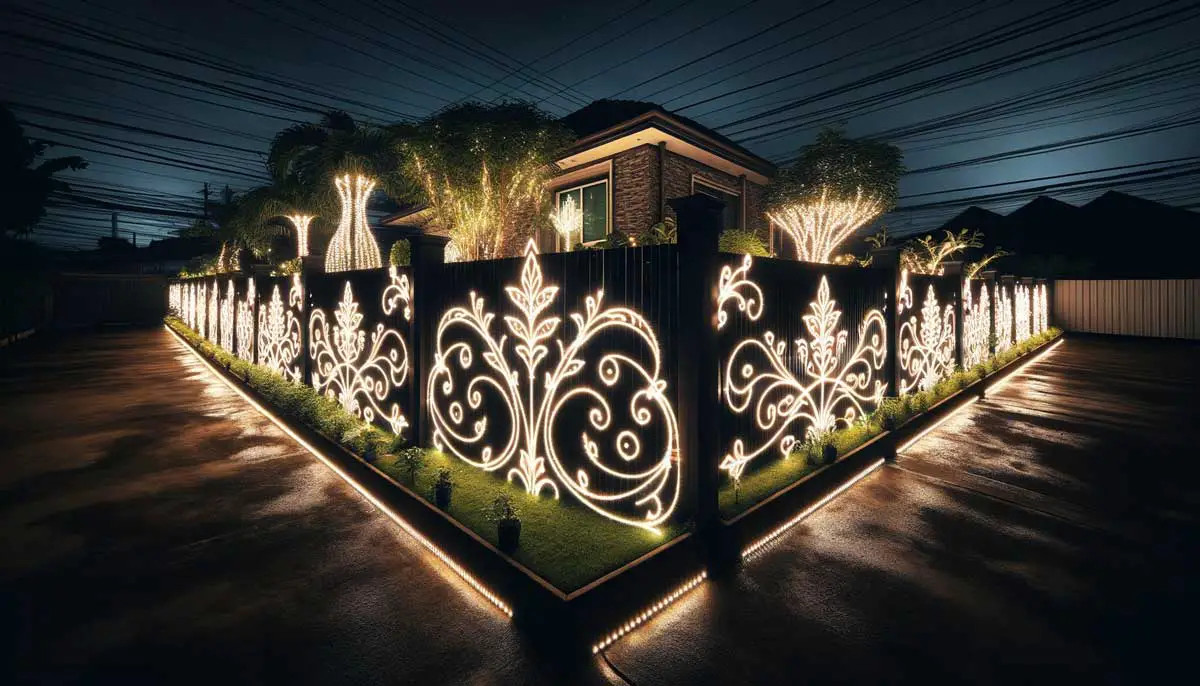
Beyond their practical applications, plant lights serve a decorative purpose. They can be strategically placed to highlight specific features of a garden, such as a unique plant, a water feature, or a striking landscape element. This not only enhances the visual appeal of the garden at night but also allows you to create focal points that draw attention to the best aspects of your outdoor space.

Check out this amazing product perfect for any backyard with trees:

Pathway and Safety Lighting
Plant lights can also contribute to outdoor safety. By illuminating pathways, steps, and uneven terrain, they help prevent accidents and make navigating your garden easier and safer after dark.
This functional use of plant lights enhances both the beauty and the usability of outdoor spaces, ensuring that they are welcoming and accessible even at night.
Creating Ambiance and Atmosphere
Lastly, plant lights are instrumental in crafting a specific ambiance in outdoor areas. Whether you’re aiming for a soft, romantic glow or a vibrant, lively atmosphere, the right plant lights can set the mood. By playing with colors, intensities, and placements, you can use these lights to create an outdoor setting that reflects your personal style and enhances your evening experiences in the garden.
5 Decorative Ideas for Outdoor Plant Lights
Illuminating your garden with outdoor plant lights can be both functional and a form of art. This section delves into creative ideas to use these lights decoratively, enhancing the beauty and character of your outdoor space. Whether you are a gardening novice or a seasoned landscape artist, these ideas can inspire you to add a touch of brilliance to your garden.
Fairy Light Wrapped Trees
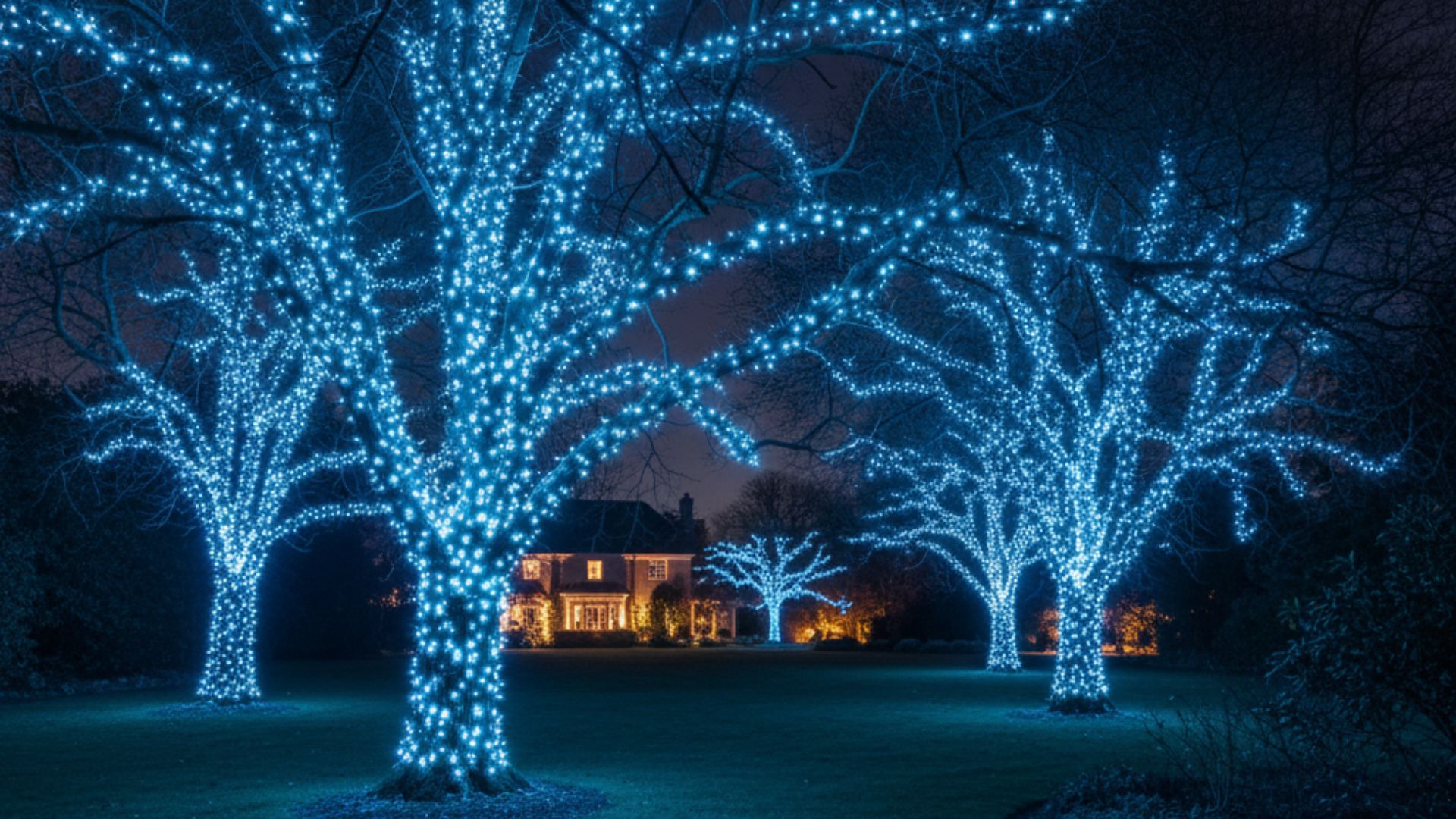
Start by wrapping fairy lights around the trunks and branches of trees in your garden. This creates a whimsical, fairy-tale-like effect, especially enchanting in the evenings.
Choose LED fairy lights for their energy efficiency and longevity. The soft, twinkling lights will add a magical touch to any outdoor setting.
For this idea, check out this product:

Solar-Powered Stake Lights in Flower Beds
Incorporate solar-powered stake lights into your flower beds. These lights charge during the day and automatically light up at dusk. They are an excellent way to highlight the natural beauty of your flowers after sunset, adding depth and dimension to your garden landscape.
This product is perfect for this idea:

Hanging Lanterns Amongst Plants
Hang decorative lanterns among your plants and shrubs. These can be solar-powered or battery-operated and come in various styles to match your garden’s theme.
Lanterns provide a soft, diffused light that creates a cozy and inviting atmosphere in your outdoor space.
Give this idea a try with the following product:


Underwater Lighting in Ponds
If you have a pond or a water feature, consider adding underwater lighting. This not only illuminates the water feature but also casts a beautiful reflection of light on surrounding plants and structures. It’s an elegant way to highlight the water element in your garden.
Illuminated Planters and Pots
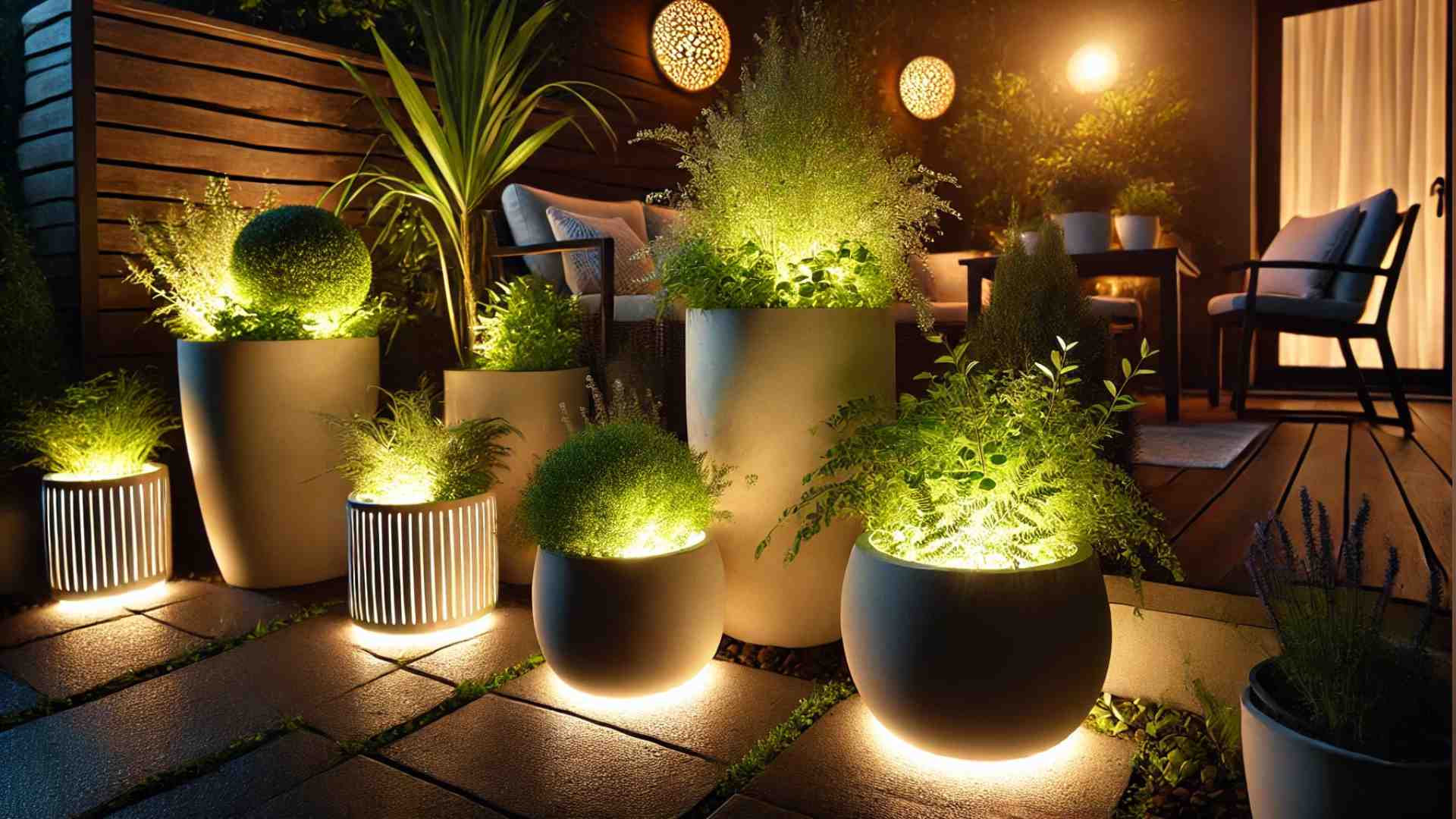
Lastly, use illuminated planters and pots to add a modern twist to your garden lighting. These containers come with built-in lights that provide a subtle glow, perfect for highlighting both the plants and the pots themselves. They are particularly effective in creating focal points and adding a contemporary edge to your garden design.
Why Are Some Outdoor Plant Lights Purple?
Have you ever wondered why some outdoor plant lights emit a purple hue? The answer lies in the science of plant growth and the spectrum of light.
Plants use light for photosynthesis, the process by which they convert light, water, and carbon dioxide into energy.
While plants can use light from across the spectrum, they primarily absorb blue and red wavelengths. The combination of these two colors often results in a purple glow from the lights. Blue light promotes vegetative growth, while red light supports flowering and fruiting, making the purple light an efficient choice for enhancing plant growth and health.
Moreover, this purple light is particularly beneficial when natural sunlight is insufficient, such as in shaded areas or during shorter daylight hours in winter.
The purple lights, often LED-based, are energy-efficient and have a longer lifespan compared to traditional lighting. This makes them an ideal, cost-effective solution for gardeners looking to support their plants’ growth while adding a unique and visually striking element to their outdoor lighting design.

The Role of Outdoor Plant Lights: More Than Just Illumination
Outdoor plant lights play a pivotal role in the garden, serving purposes that extend beyond mere illumination. Primarily, these lights are instrumental in supplementing natural light for plants, which is crucial for their growth and development.
In areas where sunlight is limited—due to either geographical location, seasonal changes, or landscape obstructions—outdoor plant lights provide the necessary spectrum of light that plants require for photosynthesis. This is especially important for maintaining the health and vibrancy of plants that are in shaded areas or during the darker months of the year.
Apart from their functional role in plant growth, outdoor plant lights also contribute significantly to the aesthetic enhancement of outdoor spaces. They can be used to spotlight specific garden features, create ambient lighting for outdoor living areas, and even enhance the overall safety of pathways and steps.
These lights transform gardens into inviting and dynamic spaces, highlighting the natural beauty of the flora and adding a decorative touch that elevates the garden’s nighttime appeal.

How to Hang Decorative Plant Lights in Your Outdoor Space
Hanging decorative outdoor plant lights can transform your garden into a beautifully illuminated sanctuary. Here’s a straightforward guide to help you hang these lights effectively and safely:
- Choose Your Lights: Select the type of lights you want to hang. Options include string lights, fairy lights, lanterns, or LED strips. Consider factors like energy efficiency, weather resistance, and the overall aesthetic you want to achieve.
- Plan the Layout: Before hanging, plan where you want the lights to go. Think about highlighting specific plants, trees, or garden features. Use a sketch of your garden layout to visualize the placement and ensure even distribution of light.
- Gather Necessary Tools and Materials: Ensure you have all necessary tools and materials such as a ladder, hooks or clips, extension cords (if needed), and a hammer or drill.
- Install Supports: If there are no natural supports like trees or fences, you may need to install hooks or poles. Position them where you want your lights to hang and ensure they are securely fixed.
- Measure and Cut (if needed): Measure the distance where the lights will hang. If using lights that can be cut to size, like LED strips, cut them according to your measurements.
- Attach the Lights: Carefully hang your lights along the planned layout. Use clips or ties to secure string lights to branches or hooks. Ensure the lights are evenly spaced and hang at the desired height.
- Connect to Power Source: If your lights are electric, connect them to a power source. It’s essential to use outdoor-rated extension cords and ensure all connections are away from areas that might get wet.
- Test the Lights: Once everything is connected, turn on the lights to ensure they all work and adjust any strands or bulbs as needed.
- Safety Check: Finally, do a safety check. Ensure all cords are out of the way to prevent tripping hazards and that everything is securely fastened to withstand weather conditions.
Concluding Thoughts on Outdoor Plant Lights
In conclusion, outdoor plant lights are a multifaceted addition to any garden, serving both practical and aesthetic purposes. From enhancing plant growth to creating an inviting ambiance, these lights offer a unique blend of functionality and decorative charm.
By understanding the types, uses, and installation methods, you can transform your outdoor space into a radiant and flourishing haven.
Whether for practical gardening needs or for elevating your garden’s nighttime allure, outdoor plant lights are an invaluable tool for any gardening enthusiast.