Outdoor lighting isn’t just about flicking a switch and hoping for the best. It’s about finding the right balance between setting the mood and keeping your space functional. But before you dive into picking lights, it’s a good idea to understand the two main options: low voltage and line voltage.
Each option brings something different to the table, and which one suits you best depends on your space and goals. Whether you’re looking to create a soft, inviting glow for your garden or need bright, reliable lighting for a larger area, knowing the key differences will make your decision a lot easier. So, let’s break it down and figure out which lighting will work wonders in your outdoor space.
Understanding Low Voltage Outdoor Lighting

What is Low Voltage Lighting?
Let’s start by getting a clear picture of what low voltage lighting actually is and why it’s such a favorite for outdoor spaces. Unlike the typical 120-volt systems used indoors, low voltage lighting runs on just 12 to 24 volts. The key player here is the transformer, which reduces your household electricity to a lower voltage, making it safer and more efficient for outdoor use.
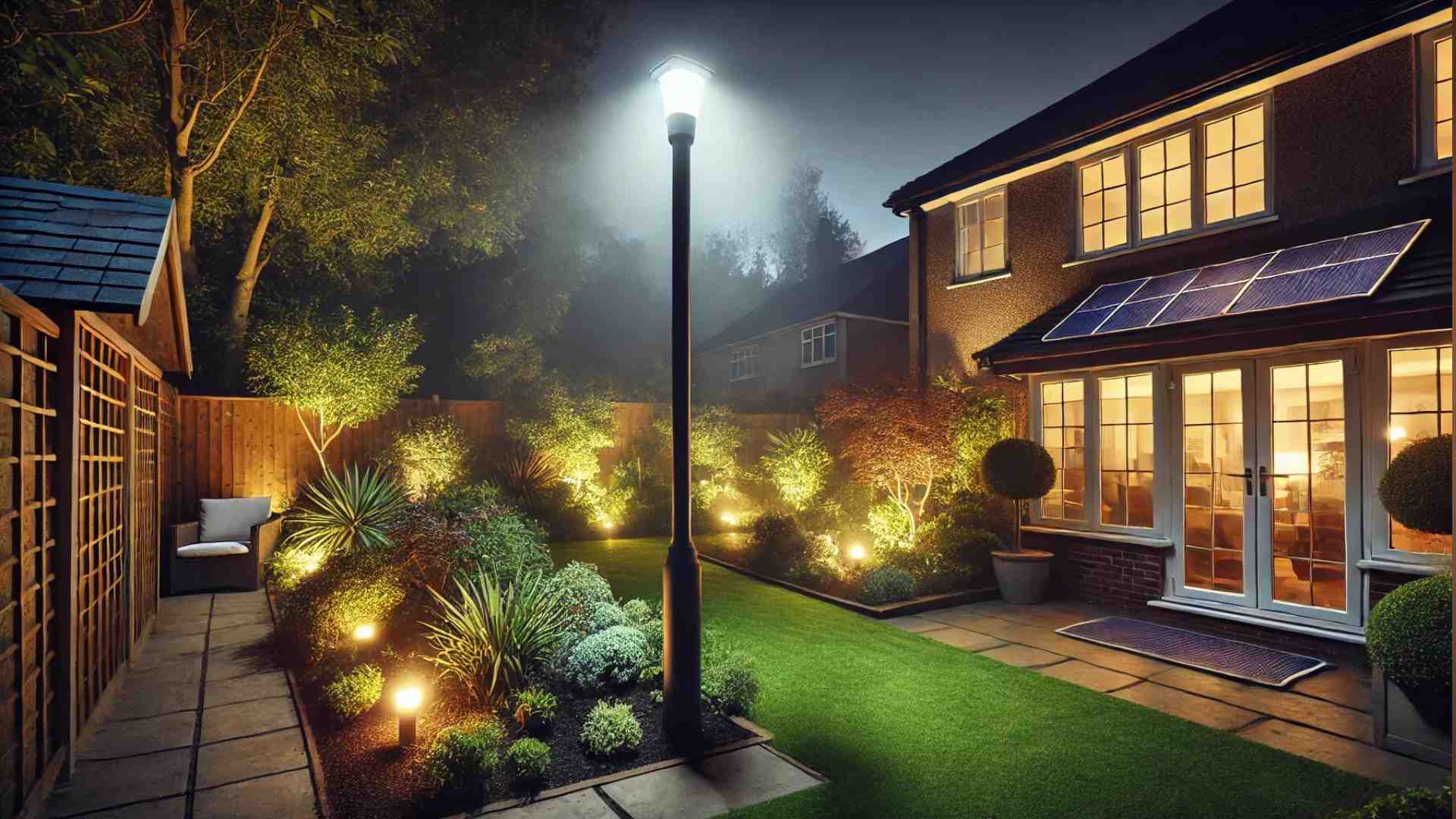
Now, the beauty of low voltage lighting lies in its ability to create a softer, more refined glow—perfect for adding a touch of elegance to your yard. Whether you’re lining a garden path, drawing attention to a favorite tree, or adding a soft glow to your patio, this lighting style lets you set the mood just right. The transformer might sound like an extra step, but it’s a necessary one, ensuring the system operates smoothly and safely in your outdoor space.
Common Applications for Low Voltage Lighting:
- Lighting along pathways
- Highlighting garden accents
- Illuminating landscape features
Benefits of Low Voltage Lighting
- Energy Efficiency: Low voltage lighting uses less power, making it an eco-friendly and cost-effective option that won’t spike your energy bill.
- Safety: With its lower voltage, the risk of electric shock is minimal, making it a safer choice for homes with curious kids or pets.
- Design Flexibility: This type of lighting allows for softer, more customizable light—ideal for creating cozy and inviting outdoor spaces without harsh brightness.
- Ease of Installation: The wiring involved is simpler, which makes it a great project for DIYers looking to save on installation costs.
Drawbacks of Low Voltage Lighting
One downside of low voltage lighting is that it doesn’t offer the same level of brightness as its higher-voltage counterpart. While it works wonders for adding ambiance or accentuating key features, it might not provide enough light to cover larger outdoor areas that need broader illumination. If you’re trying to floodlight your backyard or driveway, low voltage might leave you in the dark—literally.
Another thing to keep in mind is the system’s dependence on the transformer. The transformer plays a crucial role in keeping everything running smoothly, but it can also be a point of failure. If it’s incorrectly sized or malfunctions, your entire lighting setup could be thrown off. This is why it’s essential to get the right transformer for your system, ensuring your lights shine bright without any hiccups.
Understanding Line Voltage Outdoor Lighting

What is Line Voltage Lighting?
Now that we’ve talked about low voltage lighting, let’s turn the spotlight on its more powerful counterpart—line voltage lighting. This system runs on the same voltage as your home’s everyday appliances, typically between 120 and 230 volts. Unlike low voltage setups, line voltage taps directly into your electrical system, no transformer needed, making it ready to deliver bright, reliable lighting without any extra steps.
Line voltage lighting shines brightest when you need serious illumination for larger areas. Think of spaces like driveways, garages, and security zones around your property. It’s also the go-to for commercial spaces and public areas where consistent, strong lighting is a must. If you’re looking to light up a big yard or keep things secure with high-powered floodlights, line voltage is up to the task.
Common Applications for Line Voltage Lighting:
- Floodlights for large outdoor spaces
- Security lighting around homes and businesses
- Lighting for driveways and garages
- Public spaces that need bright, reliable lighting
Benefits of Line Voltage Lighting
- Higher Brightness: Ideal for areas that need powerful, steady illumination, like large backyards, garages, and outdoor event spaces.
- More Fixture Variety: With line voltage being so commonly used in both residential and commercial settings, you’ll have plenty of fixture and bulb options to choose from.
Drawbacks of Line Voltage Lighting
A notable drawback of line voltage lighting is its higher energy consumption. Because it operates at full household voltage, it naturally uses more electricity compared to low voltage systems. So if your lights are on for long stretches, you may notice a bump in your electric bill. It’s a fair trade for brighter, stronger lighting, but definitely something to keep in mind if you’re trying to stay energy-conscious.
Another thing to consider is that installing line voltage lighting is usually not a DIY project. Since you’re working with higher voltage, it’s safer to bring in an electrician to make sure everything’s installed correctly. Plus, the wiring often needs to be buried or properly trenched, which adds some extra time and cost to the installation. So if you’re not keen on tackling electrical work yourself, this is definitely worth considering when choosing between line and low voltage.
Comparison Between Low Voltage and Line Voltage Lighting
| Features | Low Voltage Lighting | Line Voltage Lighting |
| Voltage | 12–24 Volts | 120–230 Volts |
| Brightness | Lower Brightness, Ideal for Accent Lighting | Brighter, Ideal for Large Spaces |
| Energy Efficiency | More energy-efficient, lower power consumption | Higher energy consumption |
| Safety | Safer, reduced risk of electric shock | Less safe, requires more care in installation |
| Cost | Lower long-term costs, affordable installation | Higher upfront and operating costs |
Which Between Low Voltage and Line Voltage Lighting is Right for You?

Deciding between low voltage and line voltage outdoor lighting doesn’t have to be complicated—it’s all about matching your lighting needs to what each system can offer. Let’s break down some important points to help you make the right choice for your space:
Your Lighting Purpose
Let’s start with why you need outdoor lighting in the first place. If you’re aiming to create a relaxed, decorative atmosphere, low voltage lighting is your best friend. It’s perfect for adding soft, ambient light to walkways, gardens, or any outdoor feature you want to highlight without overpowering the space.
But if you need something stronger—like lighting up a driveway or adding security around your home—line voltage steps up to the plate. With its higher power, it’s designed for spaces where you need solid, bright illumination. Whether it’s keeping your property well-lit for safety or making sure guests can see clearly at night, line voltage can handle the job with ease.
Budget and Energy Considerations
Now, let’s talk about what your wallet thinks. Low voltage lighting is the go-to choice for anyone looking to save on energy bills. It uses less power, so running these lights for hours won’t break the bank. Over time, this can make a big difference, especially if you’re illuminating a large area or keeping the lights on frequently.
That said, line voltage lighting does come with a higher upfront cost—both for installation and energy usage. But with that extra investment comes more powerful lighting, which is ideal for larger spaces. It’s all about figuring out what’s more important to you: saving energy or getting the brightness you need.
Installation Preferences
If you’re into DIY projects and want to tackle the installation yourself, low voltage lighting is the easier route. The wiring is simpler, and there’s less risk involved, so you won’t need to call in an electrician. It’s a great way to add a personal touch to your outdoor lighting while keeping things budget-friendly.
Line voltage, however, is a bit trickier. Because you’re dealing with higher voltage, it’s safer (and often required) to have a professional handle the installation. While this adds to your costs, it also means you can rest easy knowing the job was done safely and correctly.

Safety Concerns
When it comes to safety, low voltage lighting has the upper hand, especially for families with kids or pets. Its lower voltage means there’s a reduced risk of shock, making it a safer option for outdoor areas where people and animals might be around. You can enjoy your beautifully lit yard without worrying about electrical hazards.
On the flip side, line voltage offers more durability and strength for outdoor areas that need heavy-duty lighting. While it’s not quite as forgiving in terms of safety during installation, it’s built to last and handle the wear and tear of high-traffic or exposed spaces. Just make sure the setup is done by a pro, and you’re good to go.
Long-Term Plans
If you like the idea of making adjustments to your lighting setup over time, low voltage is a flexible choice. It’s easy to add, move, or modify lights as your outdoor space evolves. Whether you’re adding new features to your garden or just want to switch things up, low voltage gives you the freedom to expand with ease.
Line voltage, on the other hand, is more of a “set it and forget it” solution. Once it’s in place, it’s reliable and consistent, providing strong lighting without much need for changes down the road. If you’re looking for something more permanent that doesn’t require ongoing tweaks, line voltage is a solid long-term option.
Hybrid Solutions: Can You Use Both?

Why settle for one type of outdoor lighting when you can mix and match? Combining low voltage and line voltage lighting gives you the best of both worlds. You can use line voltage for areas where you need strong, reliable illumination, like your driveway or around entry points, while letting low voltage work its magic in more decorative spaces—think garden paths, patio areas, and accent lights around plants or water features.
To make this blend work, it’s all about playing to each system’s strengths. Line voltage is your go-to for bright, high-output lighting that covers larger areas and boosts visibility. On the flip side, low voltage is perfect for creating mood and ambiance, softening the edges with a gentle glow. Together, they form a balanced lighting plan, providing both safety and atmosphere. It’s like having a spotlight where you need it and candlelight where you want it.
Planning is key when using a hybrid approach. Start by mapping out where you need more powerful lighting for security or functionality—like driveways, or high-traffic areas. Then, layer in low voltage lighting to bring a cozy, inviting feel to places like seating areas, pathways, or gardens. By thoughtfully placing both types, you’ll achieve a space that’s not only practical but also visually stunning.
Making the Right Choice for Your Outdoor Space

Deciding between low voltage and line voltage lighting comes down to what you need from your outdoor setup. Low voltage is perfect for adding a soft, welcoming glow while keeping energy costs in check, whereas line voltage delivers the brightness and durability you want for bigger, more functional spaces. Understanding the strengths of each lets you easily choose the best fit—or even combine the two to cover all your bases.
It’s all about finding the sweet spot for your space. Whether you’re aiming to create a cozy garden nook or keep your driveway brightly lit and secure, there’s a perfect balance waiting to be found. So, take your time, map out your lighting goals, and before you know it, your outdoor area will be shining just the way you imagined!