Lighting your yard shouldn’t feel like a complex math problem, but choosing the right outdoor lighting can definitely make or break your home’s nightly glow.
You might prefer a crisp, uniform look that makes everything feel expensive and steady. On the other hand, splashing a little color around can turn a quiet Tuesday into a festive occasion. It is really a choice between a classic, clean vibe and a backyard that feels like a celebration.
Today, we will be talking about when to stick with a classic white and when to finally embrace a variety of colors.
What is Monochromatic Lighting

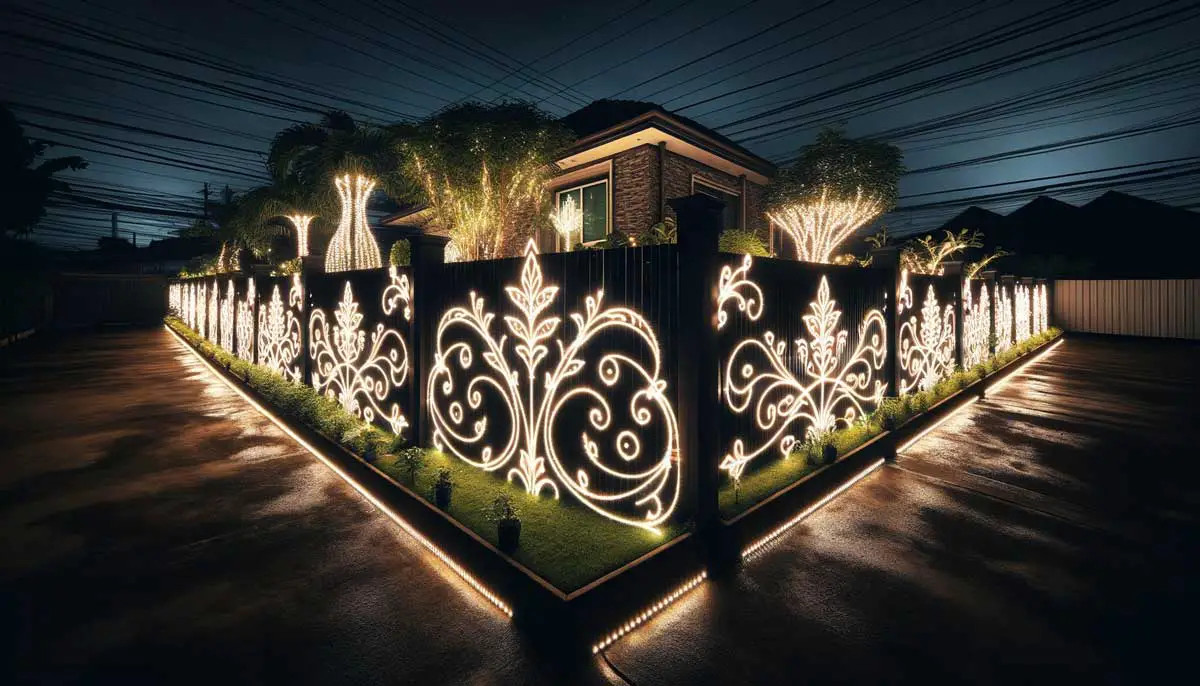
Monochromatic lighting is just a fancy term for using a single color of light throughout your entire yard. Most of the time, this means sticking to a classic white that makes everything look neat and consistent.
This type of lighting is the go-to choice if you want your home to look like an elegant resort. You won’t have to worry about weird color clashes because every single bulb is on the same page.
Here are the pros of using monochromatic lighting in your outdoor space:
- Classy Appearance – Using one color gives your home a high-end look that never goes out of style.
- Better Safety – Clear white light makes it much easier to see where you are walking at night. It helps guests spot tripping hazards like uneven bricks or stray garden hoses.
- Natural Beauty – Monochromatic lighting shows off the real colors of your stone walls and wooden fences. You get to see the actual texture of your home without any strange tints getting in the way.
- Simple Setup – Designing your layout is a breeze when you only have to worry about one shade. You don’t have to spend hours wondering if your green light matches your blue light.
Cons of using monochromatic lighting outdoors:
- A Bit Boring – Using the same color everywhere can sometimes feel a little bit predictable or plain. Without any pops of color, your yard might look the same every single night of the week.
- Tricky Shades – If you buy the wrong bulbs, the white can end up looking like a cold hospital room or a bright yellow lemon. It takes a little effort to find a white that feels cozy and warm.
- Flat Atmosphere – It is harder to separate different areas of your yard, like a dining spot and a fire pit, using only one color. Everything just blends together into one big glow rather than having its own unique feel.
What is Polychromatic Outdoor Lighting

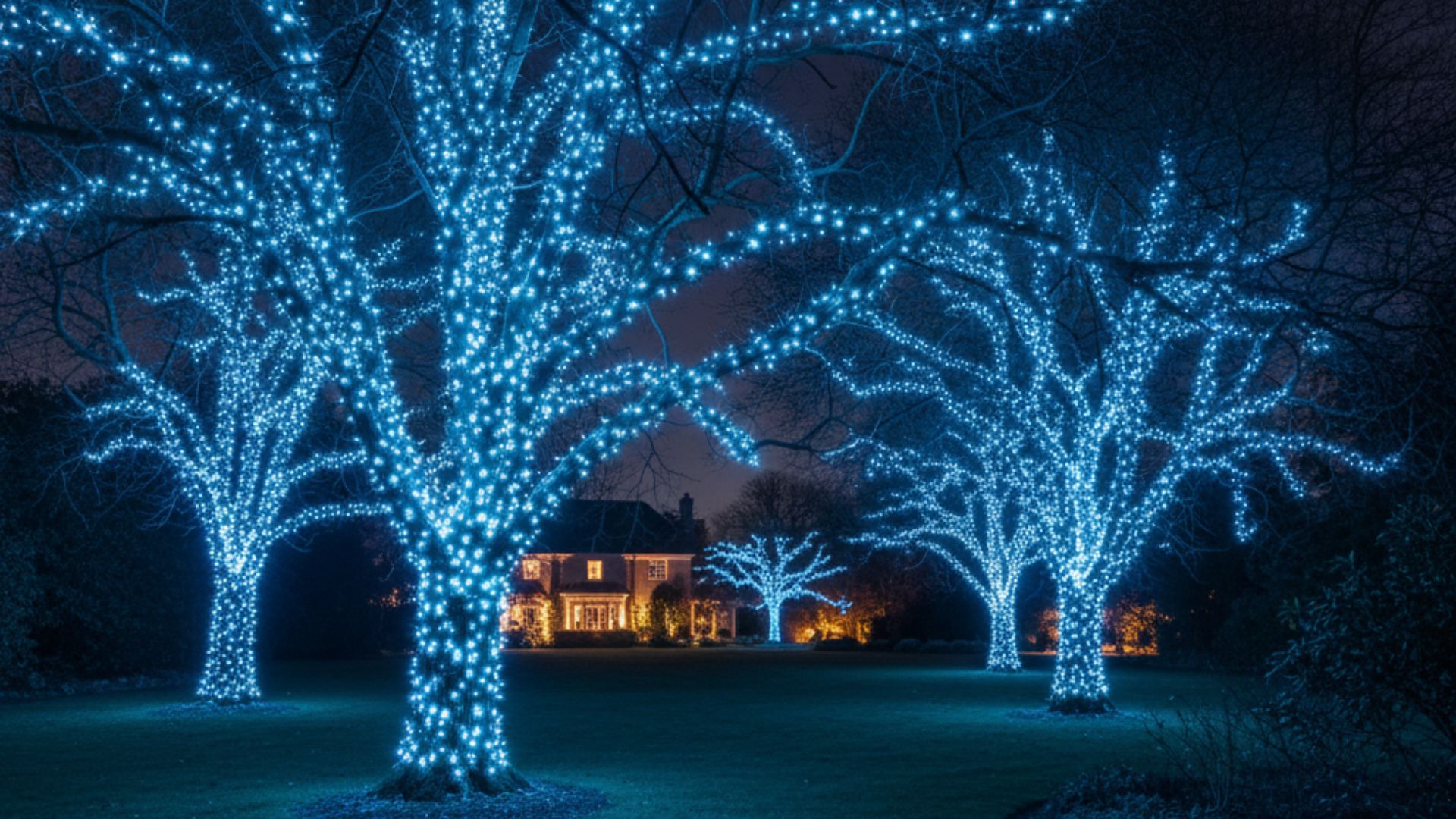
Polychromatic lighting refers to using a mix of different colors to illuminate your yard. This approach lets you move past standard white and experiment with a full range of vibrant shades.
This lighting is a great choice for anyone who wants their home to feel like a special destination every night. You can easily switch between deep blues and soft greens to give your garden a completely different look whenever you want.
Following are the pros of using polychromatic outdoor lights in your yard:
- Dynamic Moods – Adding various colors can turn a quiet backyard into a lively space for hosting friends. You have the power to change the entire feeling of your property with just a few clicks.
- Seasonal Themes – You can match your lights to specific times of the year like using orange for autumn or red for the holidays. This saves you from having to hang up temporary decorations every time a new season rolls around.
- Visual Focus – Using a contrasting color can make a specific fountain or a prize tree stand out from the darkness. It helps guide the eyes of your guests toward the most beautiful parts of your landscaping.
- Smart Control – Most modern systems connect to a simple app that lets you play with millions of color combinations. It turns your outdoor space into a creative project that you can update as often as you like.
Here are the cons of using polychromatic outdoor lighting:
- Visual Clutter – If you use too many different colors at once, your yard can end up looking a bit messy and unorganized. It takes a little bit of restraint to keep the overall design from feeling too busy.
- Unnatural Appearance – Green leaves and brown tree trunks can look a little bit strange under a bright purple or red glow. You might lose the organic feel of your plants if the colored light is too intense.
- Higher Price – Buying high-quality bulbs that change color usually costs more than sticking with basic white ones. You are paying a premium for the technology that allows you to cycle through the entire spectrum.
When to Stick to Monochromatic Outdoor Lighting

You should choose a single white tone when you want your house to look timeless and sophisticated. Monochromatic lighting is the best choice for exterior walls and pavements because it highlights the actual architecture without any distractions.
It is also the smartest pick if you live in a quiet neighborhood where you want to blend in rather than stand out.
Here are some other factors to help you decide when to stick to monochromatic lighting:
- Facades – The front of your house is its first impression, so it usually looks best with a clean, classic white. This ensures the focus stays on your expensive stonework or siding rather than a light show.
- Formal Landscaping – If you have a neatly manicured garden or a traditional layout, white light keeps it looking elegant. It respects the natural beauty of your plants without making them look artificial or strange.
- Property Sales – You should definitely stick to white if you are planning to put your house on the market soon. Most buyers prefer a neutral, sophisticated look that highlights the home’s value and safety.
- Narrow Walkways – Simple white light is the way to go when you are lighting up stairs or thin garden paths. It provides the sharpest contrast so people can actually see where they are putting their feet.
- High-Traffic Areas – Areas like the driveway or the main entrance benefit from a steady, reliable glow. It keeps things functional and ensures that guests feel comfortable and secure as they arrive.
When to Use Color

Adding color to your yard is a great move when you want to create a fun and high-energy atmosphere to your backyard. Also, colorful lighting allows for some creativity on your part, making the lighting process less boring.
You should consider polychromatic lighting if you love inviting your friends or celebrating special milestones at your home. This type of lighting transforms your outdoor space into a creative canvas that can change whenever the mood strikes you.
Here are some other factors to help you decide when to use polychromatic outdoor lighting:
- Special Celebrations – Using a variety of colors is a perfect way to mark a birthday or a summer graduation party. It instantly tells your guests that they are entering a festive space made for having a good time.
- Holidays – You can easily match your lights to the season by switching to orange for autumn or red for the winter. This saves you the trouble of hanging up temporary decorations every time a new holiday rolls around.
- Pools and Fountains – Vibrant blues and teals look incredible when they reflect off the surface of a swimming pool or a pond. The color enhances the water’s natural glow and makes the whole area feel like a tropical resort.
- Highlighting Special Plants – A splash of soft color can draw extra attention to a specific tree or a unique flower bed. It creates a focal point that stands out from the rest of the greenery.
- Creating a Private Lounge – If you have a hidden seating area, using a soft amber or purple can make it feel extra cozy. It separates that specific spot from the rest of the yard and gives it a unique personality.
The Hybrid Approach: The Best of Both Worlds

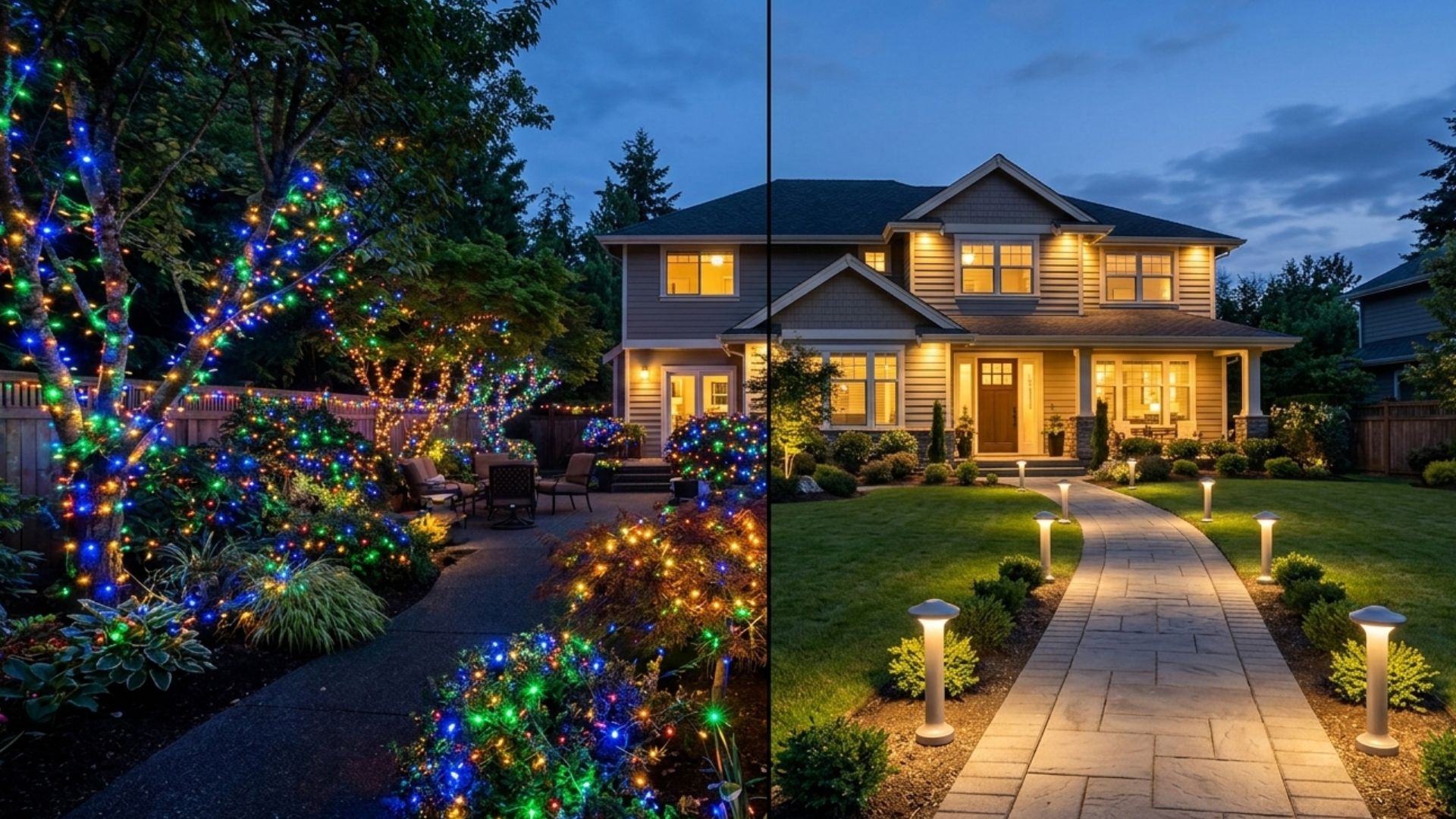
You don’t have to choose between monochromatic and polychromatic outdoor lights when you can easily have both at the same time. Mixing a classic white look with a few pops of color can give you the perfect balance for any night.
Considering a hybrid setup that combines these two types of lighting can keep your house looking sharp during the week but ready for a party on the weekend. This is the best way to stay practical while still showing off a bit of your personality.
If you wish to achieve this lighting setup, here are some useful and practical tips that will guide you:
- Split the Yard – Use classic white lights for the front of your house to keep your curb appeal high. You can then save the fun colors for your private backyard where you actually hang out with friends.
- Focus on Function – Keep your path lights and step lights a steady white so everyone can see where they are walking. This allows you to splash color onto trees or fences without making the walkways feel like a disco.
- Try Subtle Tints – Instead of using super bright neon colors, try using soft ambers or pale blues that blend well with white. These gentler shades create a much more relaxing environment that doesn’t feel overwhelming to your eyes.
- Control Your Zones – Set up your system so you can turn on the colors in the garden while keeping the porch lights a normal white. Having separate controls makes it much easier to change the vibe of one area without affecting the whole property.
- Schedule Your Look – Use a simple timer to keep your home in a “normal” white mode for most of the evening. You can then program a “party mode” to kick in only when you are outside hosting a backyard barbecue party.
Illuminate Your Yard with the Right Balance Between Monochromatic and Polychromatic Outdoor Lighting

Picking between a crisp white glow and a bright rainbow of colors shouldn’t be a huge headache. You just need to decide if you want your place to look super classy or like the best party spot in your neighborhood.
Also, there is no rule saying you can’t have a very elegant-looking front yard and a neon-soaked patio at the same time. As discussed in this article, you can use both lighting types in your outdoor space as long as it’s rightfully done and with achieving the right balance in mind.
At the end of the day, it all boils down to a matter of taste and personal preference. Have a happy lighting day!