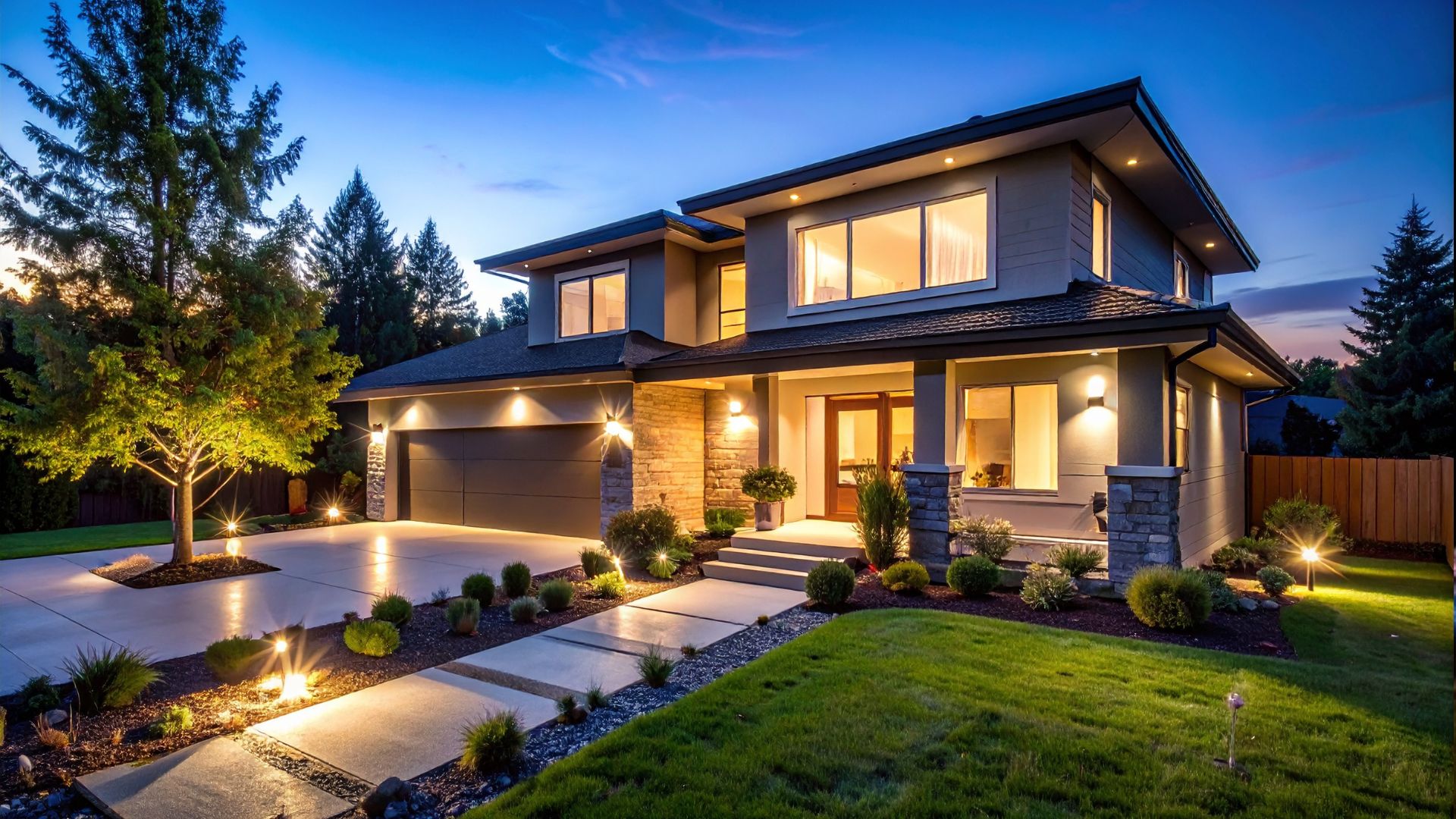
Let’s face it, home safety gets trickier once the sun slips below the horizon. That’s when outdoor lighting quietly takes over, doing what locks and alarms can’t. But figuring out which type of lighting to trust? That’s where things get a little murky.
Some people lean toward the quick burst of motion sensor lights that react to every little movement. Others like the steady comfort of dusk to dawn lights, glowing all night like a faithful nightlight for your yard. Both options sound great until you start comparing them side by side.
Today, we’re diving into the details to help you decide which one fits your home best. Because when it comes to safety, a little clarity goes a long way.
Understanding the Basics — What Are Motion Sensor and Dusk to Dawn Lights?
Motion Sensor Lights
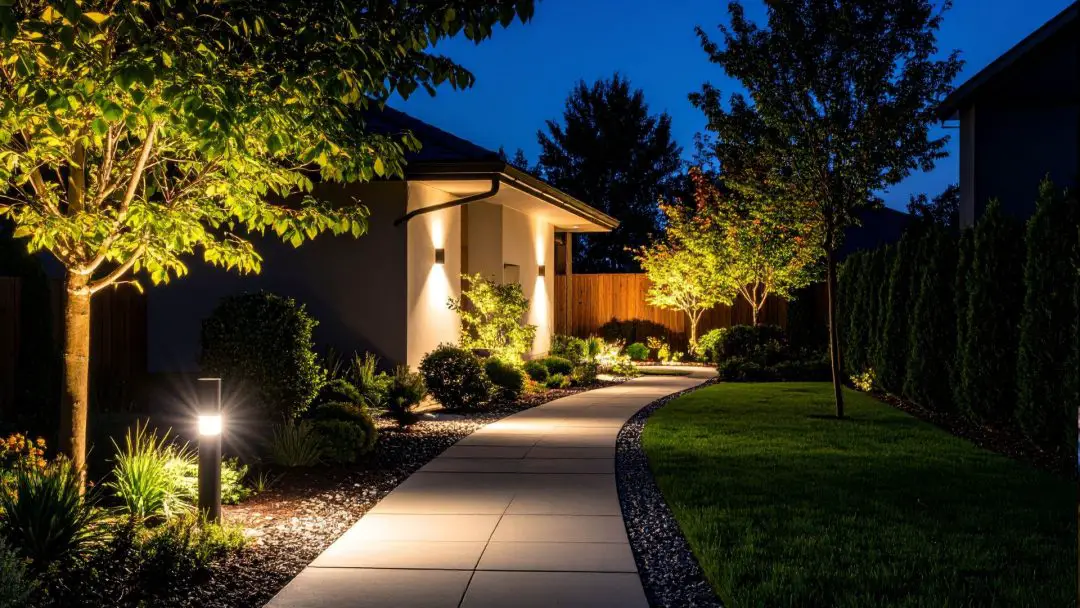
Motion sensor lights are like the quiet neighbor who only speaks up when something’s happening. Using technology such as Passive Infrared (PIR) or microwave sensors, these lights pick up movement in their surroundings. The moment they sense motion, they switch on instantly, shining a bright light that’s hard to ignore — especially if you’re not supposed to be there.
Here’s how motion sensor lights work:
- Sensors detect heat or movement from people, animals, or objects.
- The light switches on immediately when movement is detected.
- If no further motion is sensed, the light shuts off after a set time.
Common places you’ll find them:
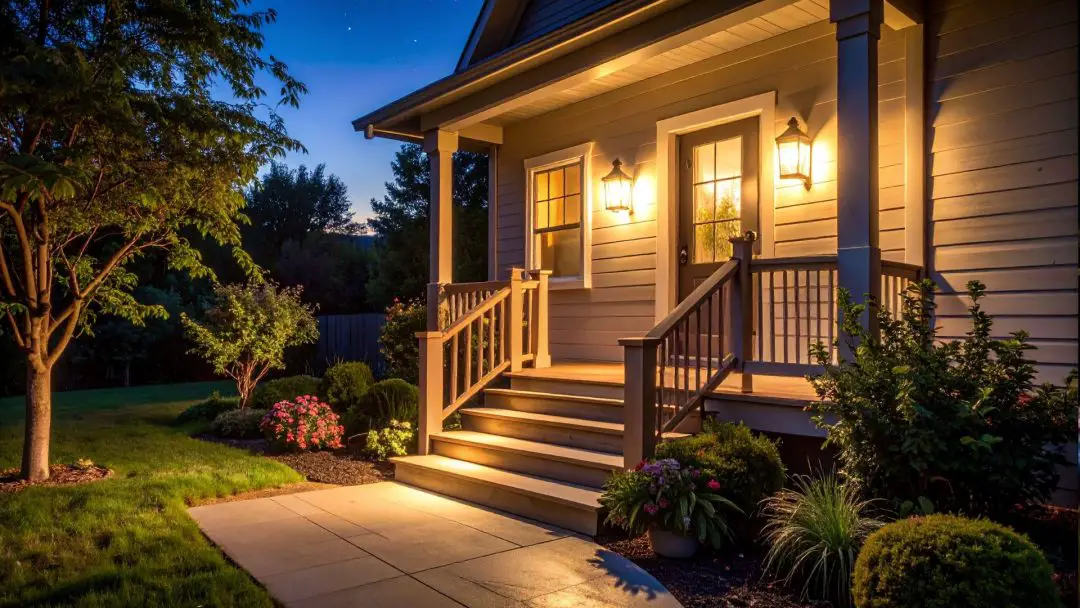
- Front porches and entryways where you want to know if someone approaches.
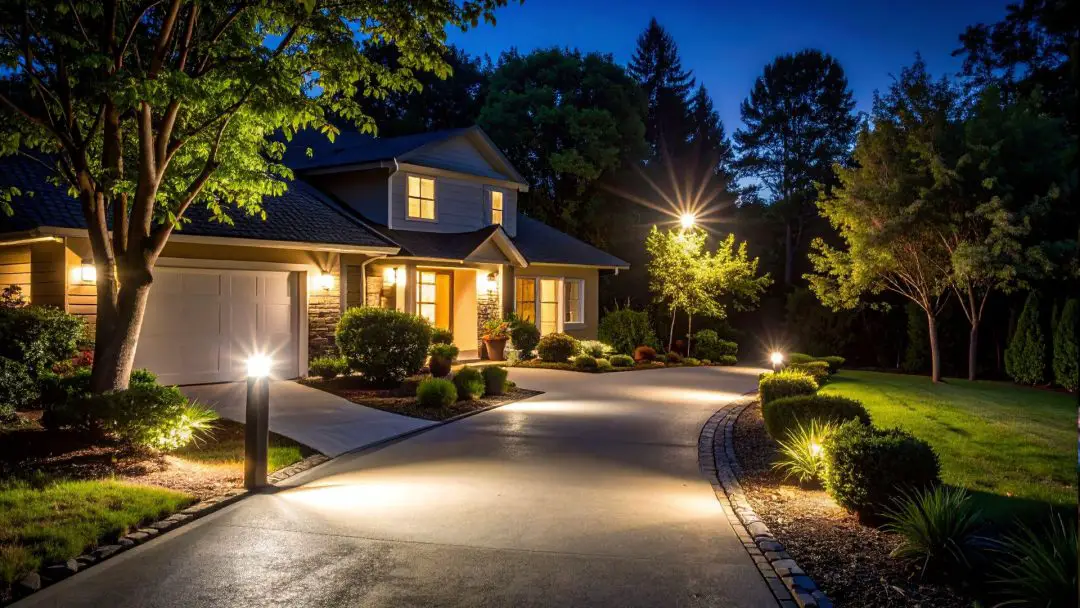
- Driveways that light up as you pull in at night.
- Side yards or pathways that don’t need constant lighting but benefit from quick, reactive illumination.


Dusk to Dawn Lights
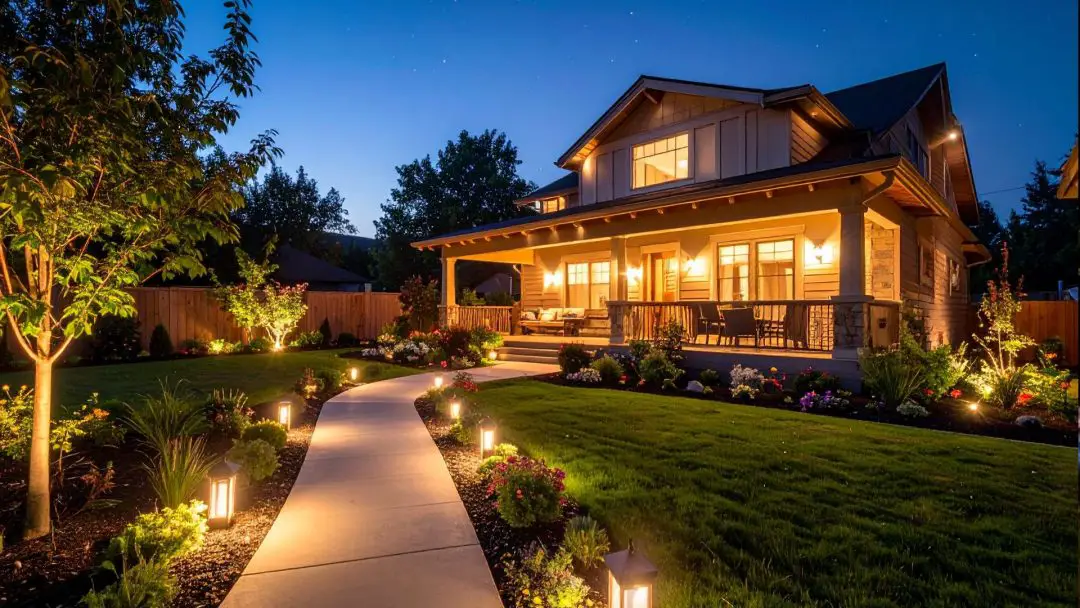
Dusk to dawn lights are the dependable type that quietly take over as the sun goes down. Built with light sensors, these fixtures monitor the level of daylight and know exactly when to turn on as evening arrives. They stay on through the night, offering a steady glow that helps keep everything visible and inviting until morning.
Here’s how dusk to dawn lights work:
- Photocell sensors track surrounding light levels.
- The light turns on at sunset and off at sunrise automatically.
- It operates continuously through the night, no matter what’s happening outside.
Where they’re typically used:
- Front yards that stay bright and welcoming after dark.
- Walkways and pathways to ensure safe steps at any hour.
- Back patios, garages, and driveways where consistent lighting adds both safety and curb appeal.
The Case for Motion Sensor Lights
Why Motion Sensor Lights Stand Out
Motion sensor lights have a few clear advantages that make them a go-to choice for plenty of homeowners.
- They Save Energy: Since these lights only turn on when something moves, they’re not constantly burning electricity. You get the light exactly when it’s needed, and your power bill stays a little happier.
- They Startle Intruders: A sudden blast of bright light can throw off anyone sneaking around where they shouldn’t be. It’s hard to stay sneaky when you’re suddenly lit up like a surprise guest on a talk show.
- They’re Great for Specific Areas: Certain spots around your home don’t need all-night lighting but could use a quick burst when there’s activity. Driveways, side paths, and tucked-away corners are perfect places for these quick-reacting lights.
Where Motion Sensors Fall Short
Of course, motion sensor lights aren’t perfect, and a few quirks can make them slightly less appealing in some situations.
- Sensitivity Takes Some Tweaking: Getting the settings just right can be tricky. Too low, and you might miss quick movers; too high, and every breeze or passing critter sets it off.
- They Get Triggered by Almost Anything: Neighborhood cats, wandering wildlife, or even a flying plastic bag can turn these lights on. After a while, you might find yourself tuning them out when they flash for no real reason.
- They Don’t Provide Constant Light: If you’re looking for steady, continuous light throughout the night, these aren’t the best fit. They’re built for short bursts, not hours of illumination.
The Case for Dusk to Dawn Lights
Why Dusk to Dawn Lights Do the Job
Dusk to dawn lights offer a different kind of reassurance, especially for those who like the idea of steady, all-night coverage.
- They Keep Your Property Lit All Night: Once the sun sets, these lights switch on and stay on until morning. That constant glow leaves fewer dark corners for anyone to hide, making your home feel more secure through the night.
- They Make Getting Around Safer: When pathways, driveways, and entrances stay lit, it’s easier for you, your family, and your guests to move around safely. No one enjoys fumbling for keys or tripping over a flower pot in the dark.
- They’re Simple to Maintain: After installation, these lights handle themselves automatically, night after night. As long as the sensor stays in good shape, you won’t need to think about flipping switches again.
Where Dusk to Dawn Lights Might Be Less Ideal
Of course, even the steady glow of dusk to dawn lighting isn’t perfect, and a few things might make you think twice.
- They Can Drive Up Energy Costs: Since they stay on for long stretches, these lights naturally consume more power. The good news is, switching to LED or solar-powered models can help keep your electric bill from climbing too high.
- They Might Create Light Pollution: If the light spreads beyond your property — into neighbors’ windows or up into the sky — it can become an annoyance. Misplaced brightness can be as frustrating as darkness when it shines where it’s not wanted.
- They Don’t Surprise Intruders: Because the lights never turn off, they lose that element of surprise that can make motion sensor lights so effective. Someone sneaking around may simply adjust to the steady light and find ways to stay in the shadows.
Safety Considerations — Which Light Does a Better Job?
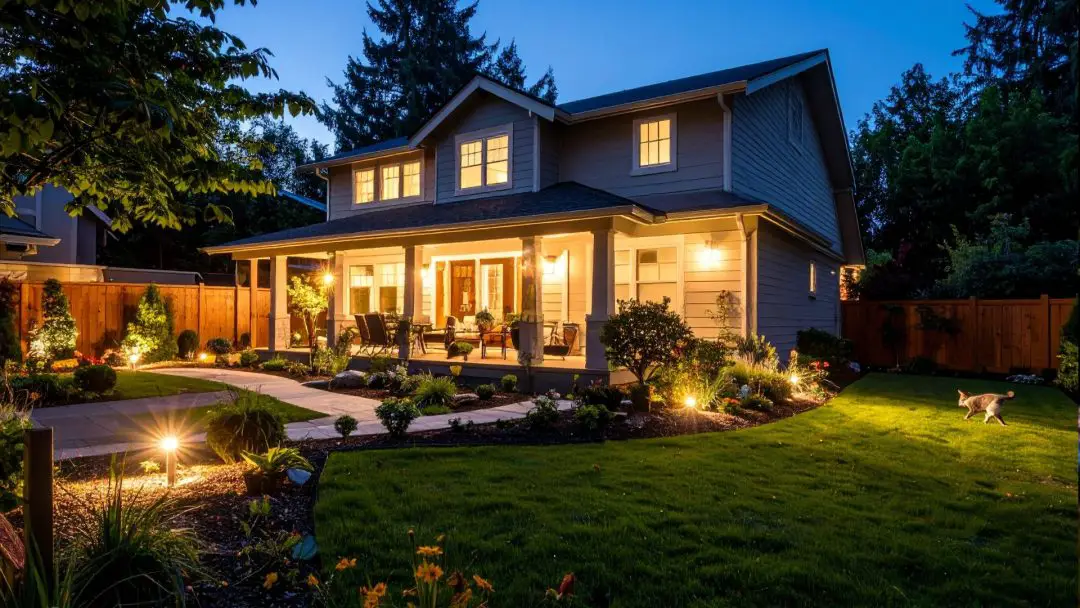
Choosing the right outdoor lighting for home safety isn’t just about flipping a switch—it’s about how that light works for you once the sun goes down. Both motion sensor and dusk to dawn lights play their part, but they shine in different ways depending on the situation.
Let’s walk through how each one handles the key safety concerns homeowners care about:
- Chasing Away Intruders: Motion sensor lights are experts at catching people off guard. That quick, unexpected flash of light makes anyone sneaking around feel suddenly exposed and highly visible—usually enough to send them moving in the opposite direction.
- Lighting the Way for Everyone Else: If you’re more concerned about your family, friends, or visitors safely finding their way at night, dusk to dawn lights are the clear winner. With steady, ongoing illumination, paths, steps, and driveways stay bright and easy to navigate, no matter how late it gets.
- Playing Mind Games with Burglars: Both types of lighting make intruders think twice, just through different tactics. A constant beam suggests someone’s always watching, while random flashes from motion sensors keep potential trespassers second-guessing every step.
- How Your Home Looks After Dark: Dusk to dawn lights give your property a warm, inviting glow that can make your whole street feel a bit more secure. But if the lights are too bright or aimed carelessly, that inviting glow can quickly turn into unwanted glare—especially for your neighbors trying to get some sleep.
- Matching the Lighting to Your Property’s Layout: Motion sensors work great for covering specific trouble spots that don’t need full-time lighting—think narrow walkways or tucked-away corners. On the other hand, dusk to dawn lights are better suited for wide-open areas like front yards, porches, or long driveways that benefit from consistent, all-night coverage.
The Best of Both Worlds — Can You Combine Them?
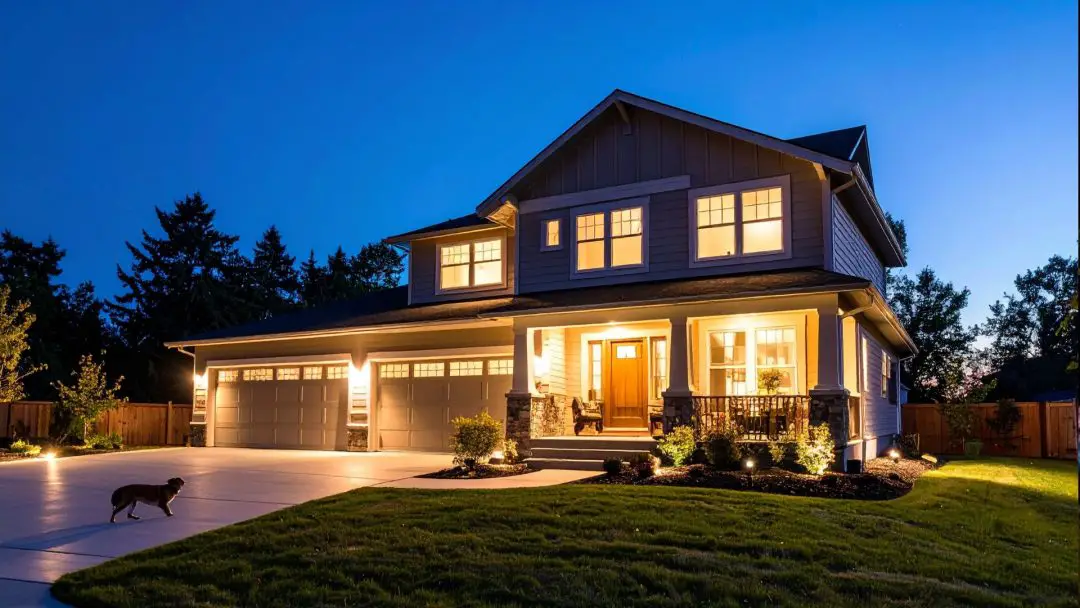
Here’s the thing: you don’t always have to choose sides. A lot of homeowners find that blending motion sensor lights with dusk to dawn fixtures creates a solid, well-rounded approach to home safety.
Plenty of newer models even combine both features into one smart fixture. They provide a gentle, steady glow through the night and instantly brighten up the moment any movement is detected nearby.
You can also get creative by using different lights for different areas around your home. A dusk to dawn setup works great for your driveway or front porch, while motion sensors are perfect for those darker corners where a sudden light can really make a difference.
Choosing the Right Outdoor Lights for Home Safety
When it comes to home safety, it’s often the little things—like choosing the right outdoor lights—that make the biggest difference. Motion sensor lights and dusk to dawn lights may seem like simple tools, but they quietly shape how secure your home feels after dark. They work in the background, helping your space feel safer, more welcoming, and a little more under control.
The key is finding what fits the way you live and move around your home at night. Motion sensor lights might suit certain spots, while dusk to dawn lights may feel just right in others—and that mix can make all the difference. Once you’ve found the right setup, your lights take it from there, keeping things covered so you can go about your evenings with a bit more peace and a lot less guesswork.