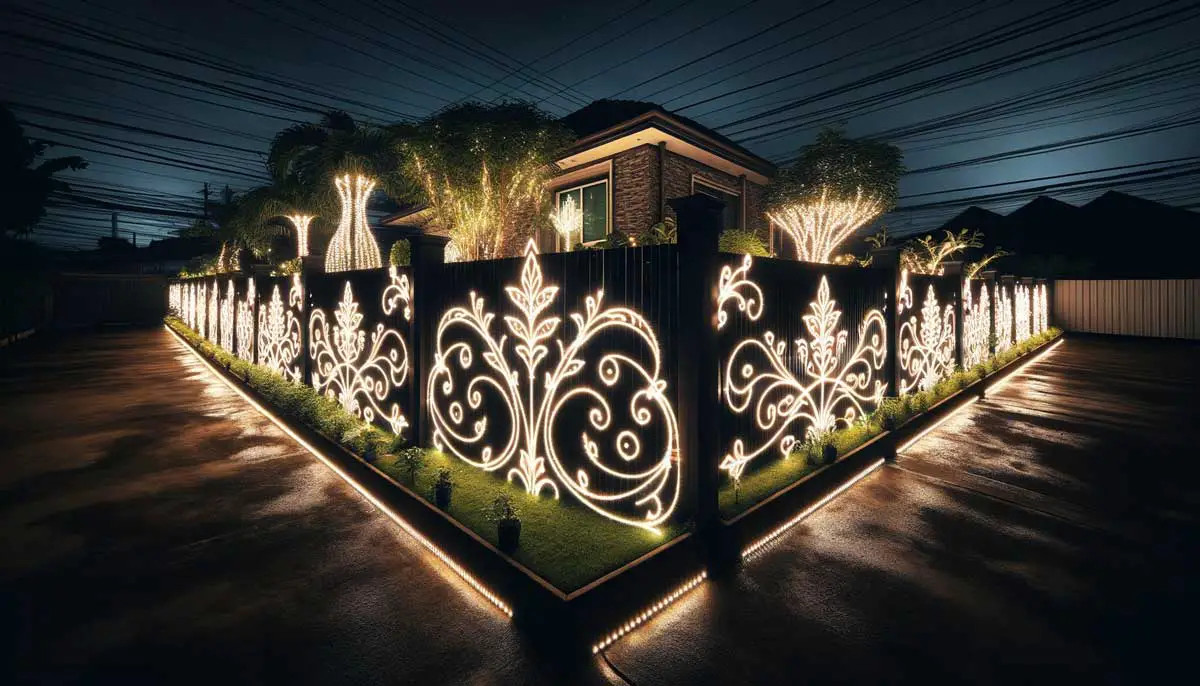
Your garden isn’t just for daylight enjoyment—it should look just as inviting after sunset. Outdoor lighting helps create a cozy, welcoming space where you can unwind, entertain, or simply admire your surroundings. But without a little strategy, you might end up with something less “magical garden” and more “accidental airport runway.”
A well-lit garden isn’t just about throwing in some lights and hoping for the best. Thoughtful placement and the right fixtures can highlight your landscape’s best features while keeping walkways safe and functional. Get it wrong, though, and you’ll be dealing with harsh glare, awkwardly placed shadows, or a yard that feels more like a haunted house than a relaxing retreat.
In this article, we’ll walk through the dos and don’ts of outdoor garden lighting to help you get it just right. With a few smart choices, you can create a beautifully lit space that’s both stylish and practical.
The Dos of Outdoor Garden Lighting

1. Plan Before You Install
A well-lit garden doesn’t happen by accident—it takes a little thought and strategy. Before you start placing lights randomly, take a step back and figure out what areas need illumination and why.
- Walk around your garden at night to pinpoint which spots could use a little glow, whether for safety, ambiance, or both.
- Identify key features like trees, sculptures, or water fountains that could benefit from subtle highlighting.
- Think about how different areas will be used—pathways need visibility, seating areas should feel cozy, and flower beds deserve a soft touch.
- Sketch a rough layout of your lighting plan before purchasing fixtures to avoid impulse buys that don’t quite fit.
- Don’t forget power sources! If you’re using wired lighting, make sure there’s a practical way to run cables without creating a tripping hazard.
2. Use Layered Lighting
Relying on a single type of lighting is like expecting one seasoning to make a dish perfect. To create depth and balance, mix different lighting styles that complement each other and enhance your outdoor space.
- Ambient lighting provides overall brightness, making your garden feel warm and welcoming. Try post lights, wall sconces, or string lights for a soft glow.
- Task lighting serves a purpose—think pathway lights to guide the way or deck lights to keep stairs visible at night.
- Accent lighting adds drama by highlighting focal points. Use uplighting for trees, downlighting for patios, or spotlights for garden statues.
- Blending these layers ensures your outdoor lighting isn’t flat or overwhelming but instead creates an inviting, balanced atmosphere.
- Play around with warm and cool tones to add contrast and set the right mood for different spaces.
3. Choose the Right Light Fixtures
Not all outdoor lights are created equal. Picking the right ones means they’ll last longer, withstand the elements, and look great while doing their job.
- Go for weather-resistant materials like stainless steel, brass, or powder-coated aluminum to avoid rust and wear.
- Select the right color temperature—warm white (2700K–3000K) for a cozy glow, cool white (4000K+) for a crisper, modern feel.
- Decide between solar, low-voltage, or LED fixtures depending on your budget and maintenance preference.
- Look for IP-rated waterproof lights to handle rain, humidity, and dust without a problem.
- Choose fixtures that complement your home’s style—sleek and modern, rustic and charming, or classic and timeless.

4. Highlight Key Features
Good lighting doesn’t just illuminate—it enhances. When done right, it draws attention to the best parts of your garden while making the whole space feel more inviting.
- Use uplighting to showcase trees, statues, or architectural elements with a dramatic touch.
- Add pathway lights to guide guests safely while giving your garden a soft, welcoming glow.
- String lanterns or fairy lights over patios and pergolas to create an inviting, magical atmosphere.
- Experiment with silhouette lighting by placing lights behind plants or structures for an artistic shadow effect.
- Keep it subtle—overlighting can wash out your garden’s natural charm, so aim for soft, focused glows instead.
5. Use Smart and Energy-Efficient Lighting
Good outdoor lighting doesn’t have to mean sky-high electricity bills. With smart, energy-efficient options, you can keep your garden beautifully lit while saving money and reducing waste.
- Install motion sensors for pathways and entryways so lights only turn on when needed.
- Set up timers or smart controls to automate when your lights switch on and off, saving energy without effort.
- Choose LED bulbs for longer-lasting, energy-efficient lighting that doesn’t need frequent replacements.
- Use solar-powered lights for an eco-friendly, hassle-free way to illuminate pathways and garden beds.
- Opt for smart bulbs that let you adjust brightness and colors with your phone, giving you full control over your outdoor ambiance.
6. Ensure Proper Placement and Spacing
The right lighting placement makes all the difference. Too many lights in one spot can create glare, while too few leave dark, neglected areas.
- Space pathway lights evenly, leaving a comfortable distance to avoid overcrowding.
- Keep spotlights aimed at focal points, not blasting unnecessary brightness into empty spaces.
- Position step and deck lights low to provide subtle, functional illumination.
- Mix high and low lighting to prevent a flat, washed-out look—contrasting brightness levels add depth and interest.
- Avoid light pollution! Be mindful of neighbors and keep lights directed where they’re needed, not spilling over into the night sky.

7. Use Dimmers for Flexibility
Lighting needs can change depending on the occasion, and having control over brightness lets you set the perfect mood. Whether you’re hosting a party or winding down after a long day, dimmable lights make all the difference.
- Lower brightness levels for a relaxed, intimate setting, or turn them up for security and visibility.
- Adjust lighting based on the season—brighter for winter evenings, softer for summer nights.
- Reduce glare and harsh lighting in cozy seating areas.
- Dimmable lights help extend the life of your bulbs, since they’re not always running at full power.
- The ability to tweak brightness levels makes your outdoor space feel more versatile and inviting.
8. Maintain Your Lighting Fixtures
Even the best outdoor lighting needs a little TLC. Regular maintenance keeps your lights looking great and working efficiently, so they stay bright and functional year-round.
- Clean lenses frequently to remove dirt, pollen, and grime that can block light output.
- Check for rust, corrosion, or water damage—especially after heavy rain or winter months.
- Replace burnt-out bulbs and fix flickering or malfunctioning fixtures right away.
- Trim plants and bushes that might block light or create unwanted shadows.
- Inspect wiring and connections to ensure everything is safe and in top shape.
The Don’ts of Outdoor Garden Lighting

1. Don’t Overdo It
More lights don’t always mean better lighting. Overloading your garden with fixtures can make it look unnatural and overwhelming rather than stylish and cozy.
- Keep your lighting intentional—highlight key areas instead of flooding the whole yard with brightness.
- Use a mix of lighting styles (ambient, task, and accent) to create depth and dimension.
- Avoid making your backyard resemble a football field on game night.
- Leave some areas dim to enhance contrast and create a more natural, relaxing vibe.
- If your garden feels brighter than your living room, it’s time to scale back.
2. Don’t Use Harsh or Blinding Lights
There’s a difference between a beautifully lit garden and one that feels like a hospital waiting room. Bright, harsh lighting can make your outdoor space feel uninviting and even uncomfortable.
- Stick with warm white bulbs (2700K–3000K) to create a soft, welcoming glow.
- Avoid high-intensity floodlights in social areas—nobody wants to feel like they’re under a spotlight.
- Use diffusers or frosted glass fixtures to reduce glare and soften the light.
- Position fixtures carefully to avoid shining light directly into people’s eyes.
3. Don’t Ignore Light Pollution
Good outdoor lighting should illuminate your space—not blind your neighbors or disrupt the natural environment. A little consideration goes a long way in preventing unnecessary brightness from spilling into unwanted areas.
- Opt for downward-facing or shielded fixtures to keep light focused where it’s needed.
- Avoid excessive uplighting that contributes to skyglow and drowns out the stars.
- Use dimmers, timers, or motion sensors to minimize unnecessary brightness.
- Position lights strategically to prevent them from shining through windows or onto streets.

4. Don’t Rely Solely on Solar Lights
Solar-powered lights can be a great eco-friendly option, but they have their limitations. Relying on them as your only light source can leave you with dim or unreliable illumination—especially in shaded areas or during cloudy seasons.
- Place solar lights in spots with direct sunlight for at least 6–8 hours a day to keep them charged.
- Supplement with low-voltage LED lights to maintain brightness when solar isn’t enough.
- Use solar fixtures for decorative or pathway lighting rather than for essential illumination.
- Consider battery-powered or hybrid options for added reliability.
5. Don’t Forget About Safety
Outdoor lighting isn’t just about aesthetics—it’s also about keeping your space safe and functional. Poorly placed or unstable fixtures can create hazards instead of preventing them.
- Keep pathway lights at a low height to ensure clear visibility without glare.
- Secure wires properly to prevent tripping hazards and exposure to the elements.
- Choose weather-resistant fixtures and outdoor-rated electrical components to avoid malfunctions.
- Regularly check for loose or tilting lights that could become a safety risk.
- If navigating your backyard feels like a risky obstacle course, it’s time for a lighting update.
6. Don’t Neglect Shadows and Contrast
A well-lit garden isn’t about eliminating darkness completely—it’s about using light and shadow together to enhance depth and atmosphere. Flat, uniform lighting can make your outdoor space look dull and lifeless.
- Position uplights behind plants or structures to create beautiful silhouettes.
- Space out lights to avoid an overly bright, washed-out effect.
- Experiment with moonlighting techniques by placing fixtures high in trees for a natural glow.
- Use a mix of soft and focused lighting to highlight textures and shapes.
- A little darkness adds mystery and charm—don’t be afraid to embrace it.
7. Don’t Ignore Maintenance
Outdoor lighting is exposed to the elements, so regular upkeep is essential. A well-maintained lighting setup looks better, lasts longer, and performs more efficiently.
- Clean lenses regularly to remove dirt, dust, and water spots that can block light output.
- Check for rust, corrosion, or water damage—especially after rain or winter months.
- Replace dim or flickering bulbs before they fully burn out.
- Trim overgrown plants that might be blocking light or tangling around fixtures.
Brighten Up Your Garden the Right Way
Your garden deserves lighting that works for it, not against it. Following the dos and avoiding the don’ts ensures your outdoor space stays functional, inviting, and effortlessly beautiful. A well-thought-out approach saves you from costly mistakes, unnecessary hassle, and a setup that doesn’t quite hit the mark.
Good lighting isn’t just about the fixtures—it’s about the choices you make before, during, and after installation. When you plan wisely and follow best practices, your garden lighting remains efficient, stylish, and long-lasting. So take the time to get it right, and your outdoor space will reward you with a glow that feels just right.