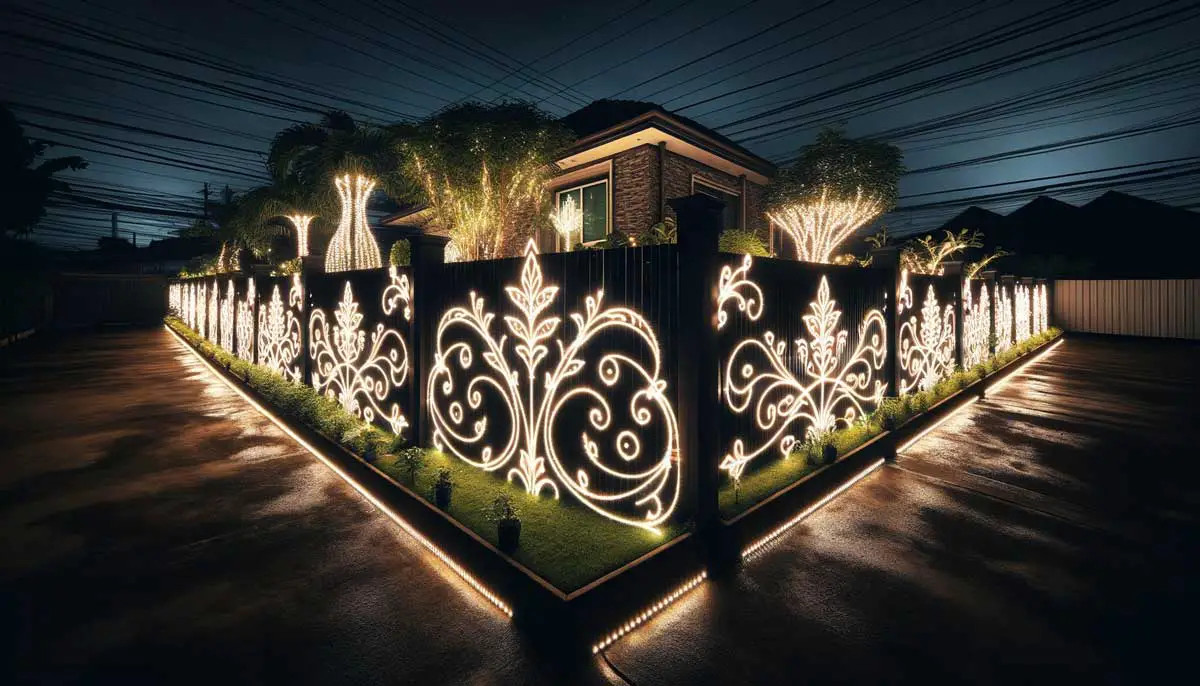
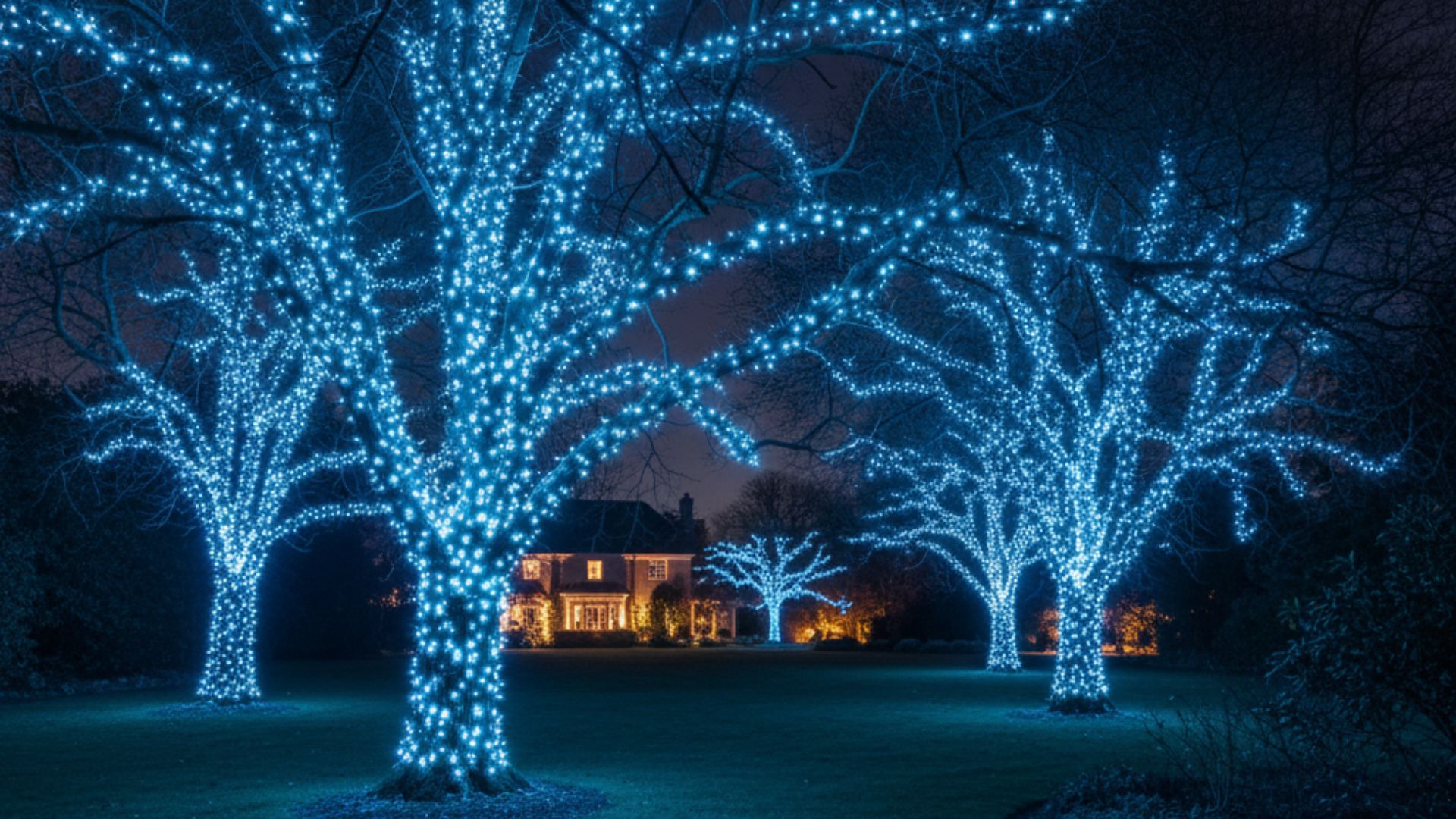
Figuring out the best outdoor lighting for your home can seem tricky at first. Solar lights are tempting with their eco-friendly charm, while low voltage lighting brings dependable brightness to the table. It’s a bit like picking between two reliable teammates—you just have to decide which one suits your game plan.
Both options have their strengths, and it all comes down to what your yard needs most. Whether you’re aiming for soft, ambient glow or bright, functional lighting, the right choice depends on your specific goals.
Let’s break down the details so you can confidently choose the lighting solution that fits your home best!
Understanding Solar Outdoor Lighting

What is Solar Lighting?
Solar lighting offers a sustainable and energy-efficient way to brighten your outdoor spaces without relying on traditional electricity. By harnessing the power of sunlight, these lights provide an easy, environmentally friendly solution for illuminating your yard.
During the day, solar panels absorb sunlight and convert it into energy, which is stored in rechargeable batteries. When the sun sets, this stored energy powers the lights, providing illumination automatically.
The beauty of solar lighting is its simplicity—no wires, no electricity bills, and very little maintenance. It’s a plug-and-play option for anyone wanting a hassle-free way to light up their garden or pathways.
Solar lights are also highly versatile, giving you the freedom to move and adjust them without the constraints of wiring. This flexibility makes them an ideal choice for homeowners looking to experiment with lighting placement.

Key Features of Solar Lighting
Solar lighting offers several benefits that make it a standout choice for homeowners. Here’s a quick look at the key features:
- Energy Efficiency: Solar lights rely entirely on the sun, saving you energy costs.
- Easy Installation: With no wiring involved, they can be placed anywhere with access to sunlight.
- No Ongoing Costs: Since they don’t use electricity, there are no additional costs after installation.
- Flexibility: Their wireless nature means you can move them as needed without any restrictions.
Pros of Solar Lighting
When it comes to the advantages of solar lighting, there are plenty of reasons why they’re a popular choice. The following are the pros of solar lighting:
- Eco-friendly: Solar lights run on renewable energy, reducing your environmental impact.
- Cost-effective: Once installed, they cost nothing to run.
- Low Maintenance: With no wiring or frequent bulb replacements, they’re easy to maintain.
- Quick Setup: Most solar lights can be installed in just minutes, making them perfect for DIY projects.
Cons of Solar Lighting
While solar lights have many advantages, they do come with some limitations. Here are a few potential drawbacks:
- Sunlight Dependency: Without sufficient sunlight, solar lights may not perform optimally.
- Brightness: They often produce less light compared to low-voltage systems.
- Durability: Weather exposure and battery wear can shorten their lifespan over time.
Understanding Low Voltage Outdoor Lighting

What is Low Voltage Lighting?
Low voltage lighting operates on 12 volts, making it a safe and energy-efficient option for your outdoor spaces. It uses a transformer to lower the standard household voltage, providing just the right amount of power for your outdoor lighting needs.
This reduced voltage makes it safer to work with, especially in areas where people or pets are frequently present. Since it relies on your home’s electrical system, you get a consistent power source that’s more dependable than solar options.
What’s great about low voltage lighting is that it allows you to create customized lighting effects without worrying about electrical hazards. Whether you want to highlight a specific feature in your garden or brighten up your entire yard, this system offers flexibility with safety in mind.
While it does require some wiring to connect the lights to the transformer, the lower voltage makes installation more straightforward and manageable. Many homeowners feel comfortable tackling this as a DIY project, though professional help is always an option for more complex setups.
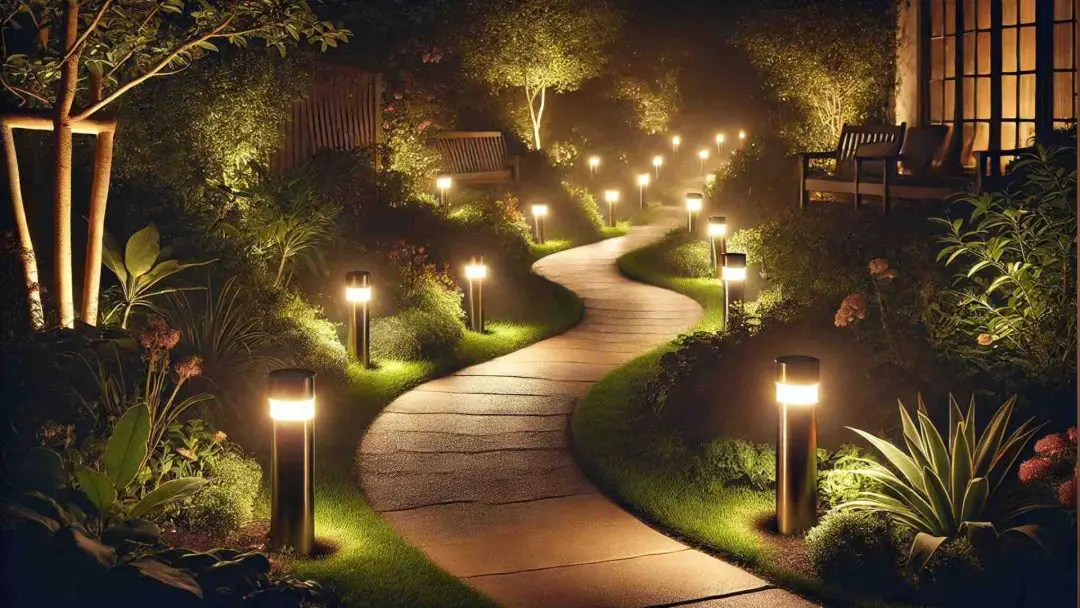
Key Features of Low Voltage Lighting
Low voltage lighting brings a range of benefits that make it an appealing choice for outdoor spaces. Here’s a breakdown of its key features:
- Controlled Power Flow: Delivers a consistent and reliable stream of power to keep your lights performing at their best.
- Versatile Design Options: Suitable for everything from decorative accents to brightening large areas, giving you full creative control.
- Superior Brightness: Offers brighter illumination than most solar lights, ideal for both practical and aesthetic uses.
- Wiring Required: Although it involves some wiring, the low voltage makes the process safer and less complex than higher-voltage systems.
Pros of Low Voltage Lighting
Low voltage lighting has several advantages that make it a go-to option for those seeking dependable outdoor illumination. Here’s why low voltage lighting stands out:
- Consistent Power Supply: Unlike solar, it’s powered directly by your home’s electrical system, offering reliable light no matter the weather.
- Brighter Lighting: Its higher output makes it great for lighting up larger areas and adding an extra layer of security to your home.
- Customizability: You can tailor your lighting setup to highlight specific features or provide general illumination throughout your yard.
- Durability: These systems are built to last, with fewer parts needing frequent replacement compared to other lighting options.
Cons of Low Voltage Lighting
While low voltage lighting has plenty of advantages, it’s not without a few drawbacks. Here’s a look at some potential downsides:
- Higher Upfront Costs: You’ll need to invest in a transformer and wiring, which can raise the initial price tag.
- More Complex Installation: Installing low voltage lighting involves more steps, and depending on the setup, you might want professional assistance.
- Energy Use: Although it’s efficient, it does consume electricity, which means it’s not as green as solar lighting.
Comparing Solar and Low Voltage Outdoor Lighting

Choosing between solar and low voltage outdoor lighting can feel like picking between two reliable options, each with its own set of perks. To make the decision easier, let’s dive into a detailed comparison and see which option might shine brighter for your home.
- Installation: Solar lighting is incredibly simple to set up—just place the lights where the sun hits, and you’re done. Low voltage lighting, while a bit more complex with the need for wiring, offers a sturdier setup that’s well worth the extra effort, especially for those who want long-term, reliable illumination.
- Energy Efficiency: Solar lights take the crown in energy efficiency, running entirely on sunlight, which means zero electricity costs after installation. Low voltage lighting does use some energy, but with the help of energy-efficient LEDs, it can still keep your electricity bill low without sacrificing performance.
- Brightness and Coverage: Solar lighting is perfect for creating a soft, warm glow along walkways or in cozy garden spaces. Meanwhile, low voltage lighting brings the power, offering stronger, brighter light that’s perfect for illuminating larger areas or highlighting specific landscape features with precision.
- Maintenance: Solar lights require minimal upkeep, though you might need to replace the batteries from time to time, especially after long exposure to the elements. Low voltage systems are more durable over the years but may need occasional bulb replacements and wiring checks to ensure everything is running smoothly.
- Cost: Solar lighting is the more budget-friendly option upfront, with no need for costly wiring or transformers. Low voltage lighting comes with a higher initial price tag, but it’s a solid investment in long-term performance and reliability, especially if you want more consistent lighting.
| Feature | Solar Lighting | Low Voltage Lighting |
| Installation | Easy setup, no wiring required. Perfect for a quick DIY project. | More complex installation with wiring required. May need professional help. |
| Energy Efficiency | Runs entirely on sunlight, with no electricity costs after installation. | Uses some electricity, but energy-efficient LEDs reduce overall consumption. |
| Brightness and Coverage | Provides soft, ambient light. Ideal for pathways and small garden areas. | Offer stronger, brighter light. Great for larger areas, or highlighting landscape features. |
| Maintenance | Low maintenance, though batteries may need occasional replacement. | More durable, but may require occasional bulb replacements and wiring checks. |
| Cost | Lower upfront costs with no need with no need for additional equipment like transformers or wiring. | Higher initial costs, but offers long-term reliability and better performance. |
Which Option Is Right for You?
When to Choose Solar Lighting

Solar lighting is a great choice for homeowners who are passionate about being eco-friendly. Powered completely by sunlight, these lights allow you to reduce your energy consumption without sacrificing outdoor ambiance.
If your home is in a sunny area that gets plenty of natural light throughout the day, solar lights will perform at their best. The more sun your lights can soak up, the better they’ll function, giving you consistent lighting with no need for electricity.
This option is perfect for smaller garden areas, pathways, or any space where you want soft, decorative lighting. Solar lights bring a gentle glow, making them ideal for enhancing the aesthetic of your outdoor space without overwhelming it.
For those who want a simple, low-maintenance solution, solar lighting is the way to go. With easy installation and minimal upkeep, you can have beautiful outdoor lighting in no time, and the best part is you won’t have to think about it much afterward.
When to Choose Low Voltage Lighting

Low voltage lighting is your go-to option if you need reliable, consistent light regardless of weather conditions. Because it’s wired directly into your home’s electrical system, it works rain or shine, giving you dependable lighting year-round.
If security is a concern, low voltage lighting offers the brightness and strength needed to light up larger areas or key spots around your home. It’s perfect for lighting driveways, large yards, or architectural features that need powerful illumination for both safety and aesthetics.
For those who like to have more control over their lighting setup, low voltage systems offer excellent customization. You can adjust the brightness, placement, and even the type of fixtures to create a look that matches your outdoor vision perfectly.
And if long-term durability is important to you, low voltage lighting is built to last. It’s designed for consistent, long-lasting performance, with fewer components to replace, giving you peace of mind that your lighting will stand the test of time.
Final Thoughts on Choosing Between Solar and Low Voltage Outdoor Lighting
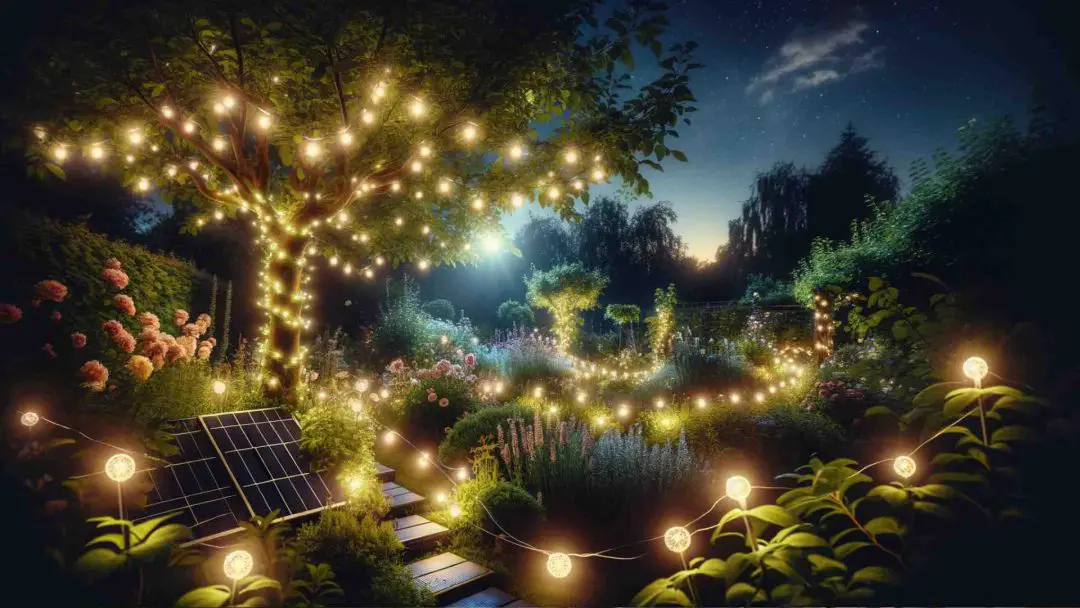
Deciding between solar and low voltage outdoor lighting is all about matching the right system to your needs. If you’re looking for an eco-friendly, easy-to-install option that harnesses the power of the sun, solar lighting is your best bet.
However, if you need something more reliable for larger areas or want to ensure strong, steady illumination year-round, low voltage lighting is the clear winner. It may require a bit more effort to set up, but the durability and brightness make it worth it.
Ultimately, both options offer fantastic solutions, depending on what you’re after. Whether you choose the simplicity of solar or the strength of low voltage, you’ll be adding the perfect glow to your outdoor space!