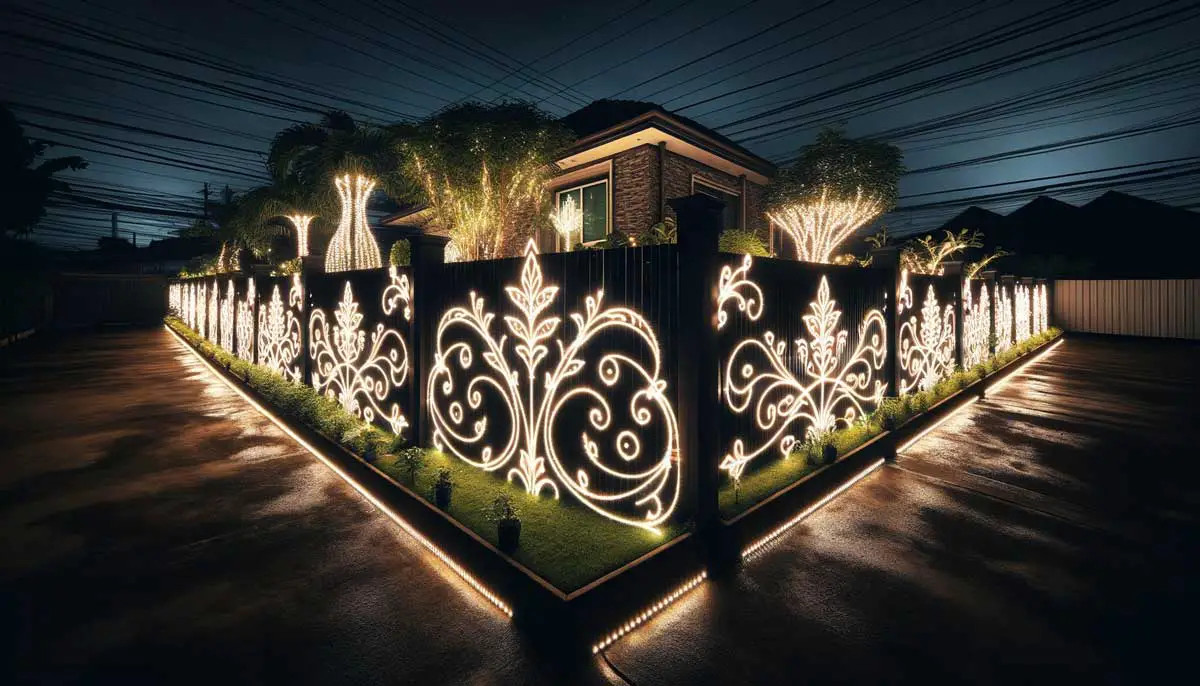
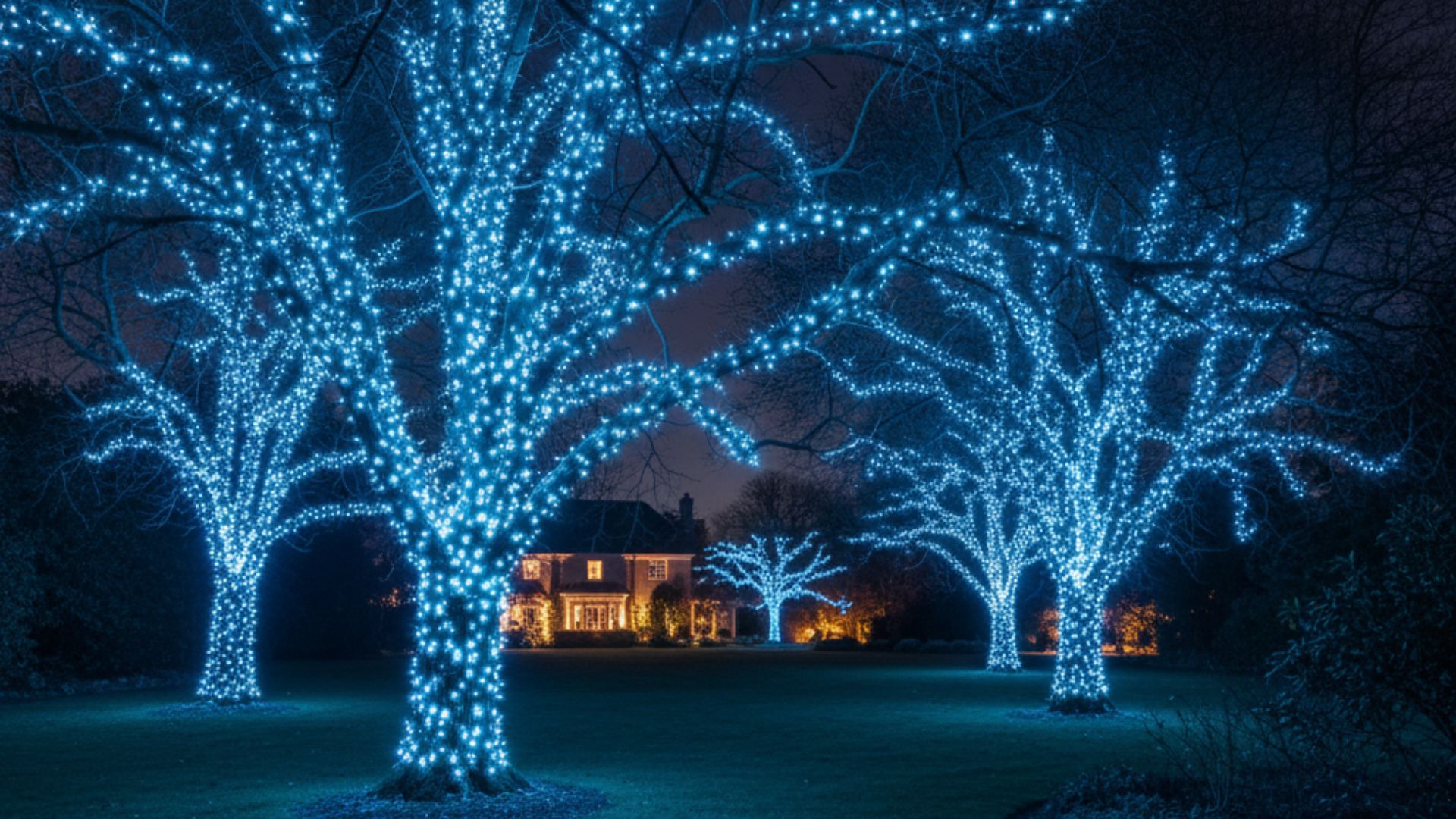
Your yard has more personality than you think—it just needs the right kind of lighting to show it off. Outdoor lighting can highlight the best parts of your space, create a welcoming vibe, and even boost a little curb appeal while it’s at it. But when different fixtures start competing instead of working together, things can get messy fast.
That’s the tricky part—finding the balance. Mixing path lights, wall sconces, string lights, and spotlights might sound like a creative win, but without a plan, it can turn into visual chaos. The magic happens when each light has a purpose, and they all play nice with each other.
Today, I’ll break down the dos and don’ts of combining outdoor lighting fixtures in a way that actually works. Let’s make your yard look effortlessly put-together, one light at a time.
Understanding the Main Fixture Types

Before we get into the dos and don’ts, let’s take a quick stroll through the most common types of outdoor lighting fixtures.
Each fixture has its own job, personality, and ideal spot in your yard. Here’s a breakdown to help you get to know them better:
- Path Lights: These little guys are all about guidance. They line your walkways and garden edges, casting a soft, even glow that keeps you from wandering into flower beds or stepping on the dog’s favorite nap spot.
- Wall Lights or Sconces: Mounted on exterior walls, these lights pull double duty by adding both style and security. Whether they shine up, down, or both, they help frame entry points and bring your home’s façade to life after dark.
- Floodlights and Spotlights: These are your powerhouses. Floodlights cover wide areas like driveways and backyards with bright, broad beams, while spotlights zero in on specific features—trees, sculptures, or anything else you want to show off (or show up).
- String Lights and Decorative Outdoor Lighting Fixtures: Here’s where the fun comes in. String lights, lanterns, and other decorative pieces add warmth and personality, turning patios and pergolas into cozy hangout zones—but they’re better for mood than for main lighting.
- Post Lights and Bollards: These freestanding fixtures are both functional and stylish, great for lining driveways or defining pathways. Post lights stand tall and proud, while bollards are shorter, sleeker, and a little more modern in vibe.
- In-Ground or Well Lights: These are the ninjas of outdoor lighting—discreet but powerful. Installed flush with the ground, they’re perfect for uplighting trees, walls, or architectural features without cluttering up your landscaping.
The Dos of Combining Outdoor Lighting Fixtures

Combining different outdoor lighting fixtures isn’t about throwing everything you like into the yard and hoping it works—it’s about balance, purpose, and a bit of planning.
To get that harmony just right, here are a few key things you’ll want to do when mixing and matching outdoor fixtures:
- Start with a lighting plan: Walk around your outdoor space and think through how you actually use it—where you walk, relax, and entertain. Mapping out those areas gives you a clearer picture of what kind of lighting you’ll need and where, so you’re not making random decisions mid-install.
- Layer your lighting: A well-lit yard isn’t just bright—it has depth. Combining ambient lights (like wall sconces), task lights (like path lights), and accent lights (like spotlights) helps your space feel more dimensional, cozy, and practical all at once.
- Keep color temperatures consistent: Mixing warm and cool light can be jarring—your backyard shouldn’t feel like part spa retreat, part operating room. Stick to a unified tone like warm white (around 2700K–3000K) to keep everything flowing smoothly and feeling cohesive.
- Coordinate styles or finishes: You don’t have to be matchy-matchy, but your fixtures should speak the same design language. Whether that’s a modern matte black or a classic bronze finish, having a common thread ties the space together and makes it feel intentionally designed.
- Use dimmers or smart controls: Not every occasion calls for full brightness. With dimmers or smart controls, you can adjust the mood to fit the moment—whether it’s an evening hangout, a quiet night in, or just finding your way to the garbage bins without waking the neighbors.
- Highlight a few focal points: Accent lighting works best when used sparingly. Choose a couple of things you really want to show off—maybe a beautiful tree, a textured wall, or your favorite garden statue—and let those shine without trying to light up every shrub like it’s opening night.
- Prioritize safety, too: Looks matter, but so does being able to see where you’re going. Make sure stairs, uneven paths, and darker zones are properly lit so your space is not only stylish but also safe, especially when guests come over and don’t know the layout as well as you do.
The Don’ts of Combining Outdoor Lighting Fixtures

When you’re combining different outdoor lighting fixtures, it’s easy to get excited about all the possibilities—until things start to look like a mismatched mess.
Here are the things you want to steer clear of when mixing and matching your outdoor lighting:
- Don’t overcrowd your space with fixtures that do the same job: While it might be tempting to line every inch of your yard with path lights or scatter floodlights across the whole patio, this redundancy can make your design feel overcrowded. Instead, aim for a variety of fixtures that each serve a distinct purpose—path lights for ambiance, spotlights for focus, and wall sconces for soft illumination.
- Don’t mix fixtures that don’t complement each other: It’s one thing to experiment, but too many contrasting fixtures can make your outdoor space feel more like a lighting contest than a harmonious design. For example, pairing sleek modern post lights with rustic, vintage-style lanterns can clash in a way that draws attention for all the wrong reasons. Find fixtures that share a similar aesthetic to create a more cohesive look.
- Don’t ignore the scale of your lighting: When you mix fixture types, size matters—literally. A row of tiny path lights can get lost next to a massive floodlight, creating an unbalanced, awkward visual. Think about how each fixture’s size interacts with the others, and try to balance larger lights with smaller ones to maintain proportion and flow.
- Don’t go overboard with too many different materials: If you’re combining different materials like metal, wood, and plastic, it can easily veer into a “too much going on” situation. While mixing textures can be great, make sure the materials work together. Stick to a unifying theme or palette to avoid a hodgepodge look.
- Don’t overwhelm the space with too many light sources: Lighting should guide the eye, not bombard it. It’s easy to want to flood every corner with light, but having too many competing light sources can make your space feel busy and chaotic. Focus on lighting the areas that matter most, and give them room to breathe rather than overcrowding them with unnecessary fixtures.
- Don’t ignore how fixtures’ beams interact: Light doesn’t always behave the way you expect it to, especially when you have a mix of fixtures. For example, a floodlight’s broad, intense beam could overpower the more subtle glow from a wall sconce, creating a visual imbalance. Be mindful of how light spreads and interacts between your different fixtures to ensure your setup works together seamlessly.
- Don’t forget to consider function along with form: When combining different fixtures, it’s not just about how they look; it’s about how they work together to light the space. Sure, a beautiful string of decorative lights might be charming, but if you haven’t balanced them with task-oriented lighting like spotlights or wall sconces, you might be left with a space that’s too dim when you need it most.
How to Achieve the Right Balance in Combining Different Outdoor Lighting Fixtures

Blending multiple outdoor lighting fixtures isn’t a game of piling on—it’s more like curating a playlist. Every fixture should have a role, a rhythm, and a reason for being there, working together to create a space that feels intentional rather than overdone. Here are some tips to keep in mind:
- Start with a standout fixture and let the rest follow. Think of it as choosing your headliner—maybe it’s the wall lights flanking your front door or a row of glowing path lights. Once that’s in place, the supporting lights should enhance the mood, not fight for attention.
- Layer different types of lighting with purpose. Ambient lighting sets the tone, task lighting takes care of function, and accent lighting adds personality. When each fixture sticks to its lane, the overall effect feels dynamic instead of chaotic.
- Balance brightness to avoid glare overload. Not every light needs to shine at full blast. Play with intensity—combine soft glows with stronger beams to create depth and avoid washing everything out.
- Keep color temperature consistent. Mixing warm white with icy blue tones is a quick way to make even the best layout feel disjointed. Pick one vibe and carry it across your setup for a smooth, cohesive look.
- Leave space between fixtures—literally. Good lighting needs breathing room. Crowding too many fixtures into one spot creates clutter instead of clarity, no matter how well they’re matched.
Finding the Balance with Outdoor Lights
There’s something oddly satisfying about watching different outdoor lights come together like they were meant to be. It’s not about overthinking it or making everything match perfectly—it’s about creating flow, rhythm, and a mood that feels right the moment you step outside. When you get that blend just right, the whole yard starts to tell a quiet little story.
Of course, no story works without a little editing. Combining outdoor fixtures isn’t about using everything you’ve got—it’s about knowing what fits and what clashes. And once you strike that balance, you won’t just see the difference—you’ll feel it every time the sun goes down.