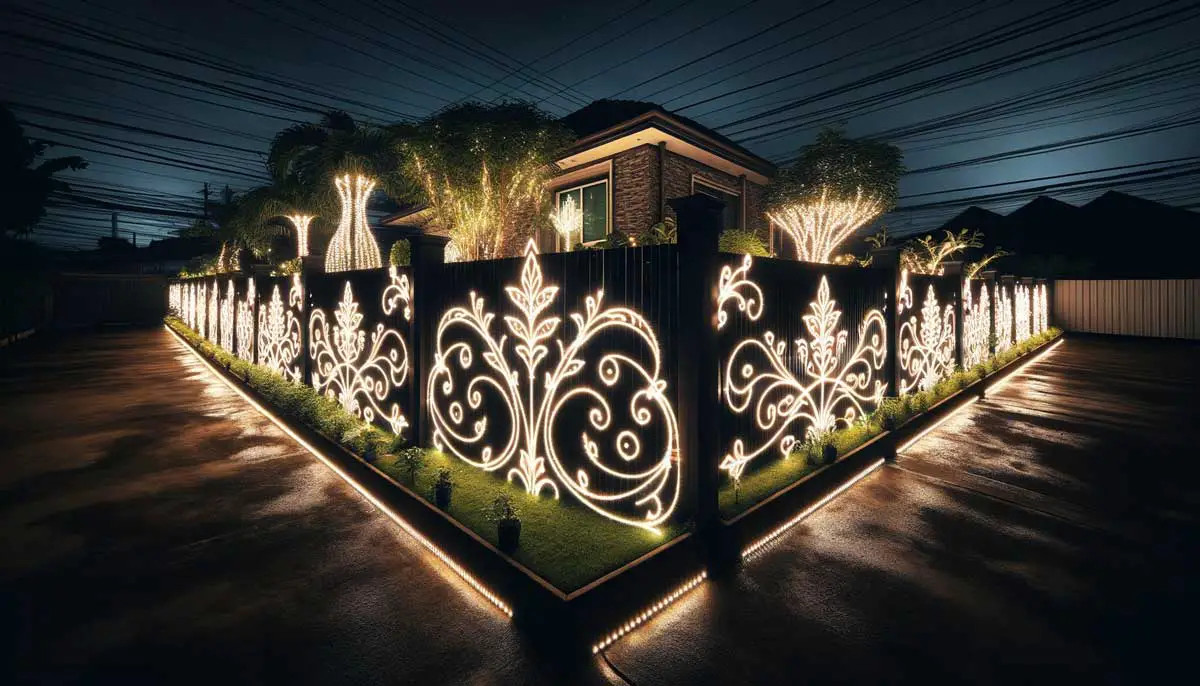
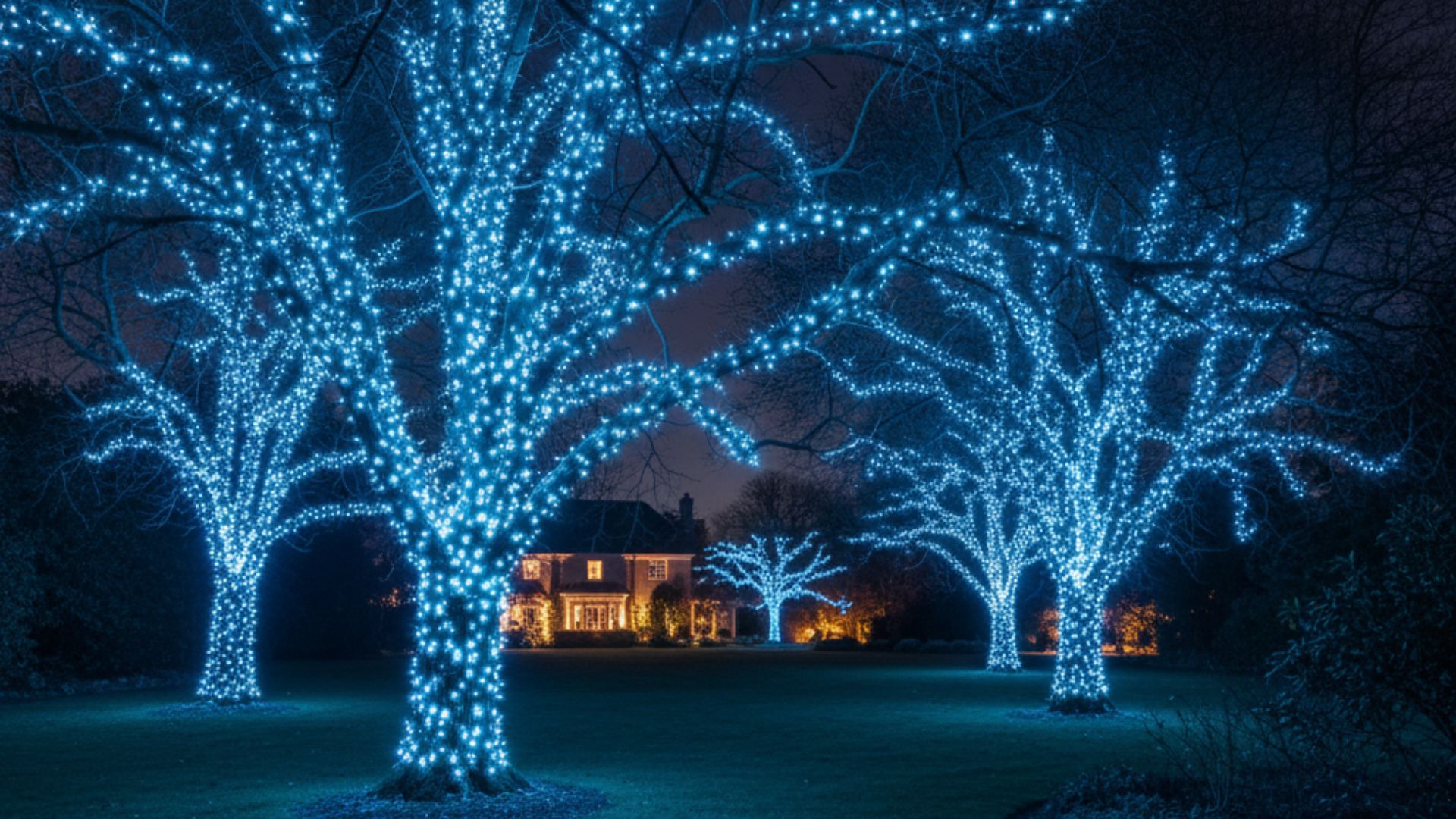
Living near a forest has its perks—fresh air, tall trees, and the occasional squirrel staring at you like it owns the place. But once the sun slips behind the treetops, that peaceful setting can get a little too dark for comfort. That’s when outdoor lighting steps in, not just to help you see where you’re going, but to make your home feel warm, welcoming, and maybe even a little magical.
Of course, lighting a forest-adjacent home isn’t as simple as sticking a bulb in the ground and calling it a day. You want to keep things safe and functional, but also blend with the natural surroundings instead of turning your yard into a stadium. It’s all about finding that balance—lighting that works without stealing the show from the trees.
Today, we’re looking at five outdoor lighting ideas that feel right at home near the woods. These options are practical, charming, and subtle enough not to scare off the wildlife—or your neighbors.
Things to Consider When Lighting Homes Near Forests

Before you dive into choosing lights for your forest-side home, it’s smart to pause and think things through. Lighting in these settings isn’t just about picking what looks good—it’s about working with the environment, not against it.
Here are a few key things to keep in mind when adding outdoor lighting to a home near the woods:
- Wildlife Sensitivity: Forests are home to all sorts of animals, and some of them aren’t fans of bright lights flashing in their faces. To keep the peace (and avoid raccoon drama), use warm, low-level lights with motion sensors that only turn on when needed.
- Fire Safety: Wooded areas can get dry, especially in the hotter months, so safety should always come first. Stick to outdoor-rated fixtures, check that your wiring is secure, and avoid anything that heats up too much.
- Light Pollution Control: One of the perks of forest living is the night sky—don’t wash it out with overly bright lights. Use downward-facing or shielded fixtures to keep things subtle and reduce glare, both for you and the surrounding wildlife.
- Durability and Weather Resistance: Between moisture, wind, and falling branches, your lighting setup needs to be built tough. Choose fixtures made from weather-resistant materials like brass or stainless steel, and make sure they’re sealed tight against the elements.
- Natural Aesthetic and Placement: Lighting should feel like part of the landscape, not something dropped in from another planet. Look for designs that match the earthy tones and shapes of your surroundings, and place lights where they follow the natural layout of your yard.
With these points in mind, you’ll be ready to choose lighting that fits your space and respects the setting—now let’s get into the five lighting ideas made for homes near the forest:
1. Path Lights for a Functional Outdoor Lighting

Path lights are the quiet heroes when it comes to lighting homes near forests. They offer just enough glow to lead the way while still letting the natural surroundings shine. Instead of lighting everything up at once, they gently guide your steps and add a soft rhythm to your outdoor space.
What makes path lights great for homes near forests is how they mix safety and charm. They can help define where your space ends and the forest begins, creating a clear transition. With path lights, you get function and atmosphere in one simple setup.
Here are a few practical tips when using path lights around homes near forests:
- Space them out to avoid over-lighting. A bit of shadow between fixtures keeps things cozy and balanced.
- Use low-voltage or solar-powered lights. They’re energy-saving, easier to set up, and ideal for areas far from outlets.
- Choose bulbs with a warm tone. Soft white or amber creates a welcoming feel and pairs well with natural scenery.
- Go for earthy finishes. Bronze, forest green, or matte black help the fixtures blend into the landscape.
- Angle lights thoughtfully. This helps avoid casting strong shadows into bushes or trees, making your paths look more open and balanced.
2. Uplighting for a Bit of Drama

Uplighting is a great way to turn your forest surroundings into a striking nighttime feature. Aiming fixtures such as spotlights upward at tree trunks or branches brings out shapes and textures that usually disappear after sunset. It gives height and structure to your landscape, drawing attention to the natural beauty already there.
This type of lighting works especially well in wooded areas, where tall trees are part of the scenery. The contrast between light and shadow adds depth and drama, making the space feel more layered. It also creates visual interest across different levels of your yard, from ground to canopy.
Uplighting connects the vertical elements of your landscape to the rest of your outdoor setup. It helps the tallest parts of your yard become part of the overall scene after dark.
Here are a few practical tips when using uplighting around homes near forests:
- Use fixtures with adjustable heads. This allows you to fine-tune the angle and light coverage as your trees grow or as seasons change.
- Install glare shields or hoods. These help keep the light focused and prevent it from spilling into unwanted areas.
- Try lighting trees from more than one angle. This adds dimension and highlights the bark, leaves, and branching patterns more effectively.
- Match beam spread to tree shape. A narrow beam suits slender trees, while a wider beam works better for trees with fuller crowns.
- Test placements after dark before final installation. What looks good during the day may feel completely different once the lights are on at night.
3. Lanterns for a Cozy, Timeless Charm

Lanterns work especially well in outdoor spaces surrounded by trees. Their gentle light creates a calm atmosphere and helps mark paths or small clearings in forested areas. Whether hung from branches or placed near rocks and logs, they add just the right amount of glow and charm.
These fixtures suit forest settings because of their earthy look and simple form. Lanterns made with aged finishes or natural materials tend to match the tones of bark, soil, and stone. This makes them feel like part of the landscape rather than something added later.
Lanterns are also easy to move, which comes in handy when lighting spots that are deeper in the yard or off the main trail. They’re especially useful in uneven areas where fixed wiring isn’t ideal.
Here are a few practical tips when using lanterns around homes near forests:
- Choose enclosed or sealed lanterns. This protects the inside from rain, falling leaves, and bugs.
- Try different lantern heights. A mix of hanging and ground-level lights gives more depth to the setup.
- Keep them away from dry branches or brush. This lowers fire risk and improves visibility.
- Secure hooks and bases properly. Forest breezes and shifting tree limbs can knock things loose if not firmly attached.
4. Pole Lights for a Broader Outdoor Lighting

Pole lights are a solid choice when you need broader outdoor lighting in areas near the forest. They’re tall enough to shine over shrubs, uneven ground, or areas where trees block low-level light. This makes them useful for lighting driveways, open clearings, or paths that run along the edge of the woods.
Because of their height, pole lights can cover more space than smaller fixtures. They bring light to wider areas, helping reduce dark patches that can make it hard to walk around at night. They also help break up heavy shadow under tree canopies, which adds clarity to large outdoor spaces.
When spaced well, pole lights give structure to your lighting setup and make the overall layout easier to follow. They act as reliable points that connect different parts of the yard.
Here are a few practical tips when using pole lights around homes near forests:
- Make sure the pole is installed on firm, level ground. Soft or sloped areas can cause the fixture to lean or shift over time.
- Pick a pole height that suits the space. Taller poles work better in large, open spots; shorter ones are easier to manage in tighter areas.
- Choose downward-facing fixtures to reduce glare. This helps focus the light where it’s needed most.
- Use a finish that blends into the background. Dark bronze, matte black, or muted green can disappear into the trees more easily.
- Consider adding motion sensors or timers. This keeps the light from staying on all night and helps cut down on energy use.
5. Globe Lights for a Whimsical Ambiance

If you want to light up garden edges, quiet paths, or the border where your yard meets the trees, globe lights might be what you’re looking for. These lights offer a soft, even glow that’s easy on the eyes and well-suited to forest settings. Their shape makes them especially useful for guiding movement through outdoor areas that don’t need tall or harsh lighting.
Globe lights are perfect for forest areas because they bring to mind old storybooks and fairy tales, where glowing orbs light up quiet woodland paths. They can add a cozy ambiance to an outdoor space, giving it a slightly magical feel while still being practical.
Here are a few practical tips when using globe lights around homes near forests:
- Use warm white bulbs. This tone pairs better with trees and plants than cooler colors.
- Choose durable, weather-resistant materials. Acrylic and impact-resistant glass hold up better outdoors and resist moisture or cracking.
- Space them evenly for balanced coverage. This helps avoid uneven lighting and keeps the layout clean.
Light That Belongs in the Landscape
Designing outdoor lighting near wooded areas comes with its own quirks—and its own kind of charm. You’re working with tall trees, shifting shadows, and uneven ground, but those features are what make the space interesting. The key is to choose outdoor lighting that works with the land, and not against it.
Every light has a purpose, and when placed thoughtfully, it shapes how your yard feels after dark. The outdoor lighting ideas we’ve talked about can guide movement, highlight natural features, and add structure to areas that once faded into the background. Once everything’s set, your space won’t just look better; it will make more sense too.