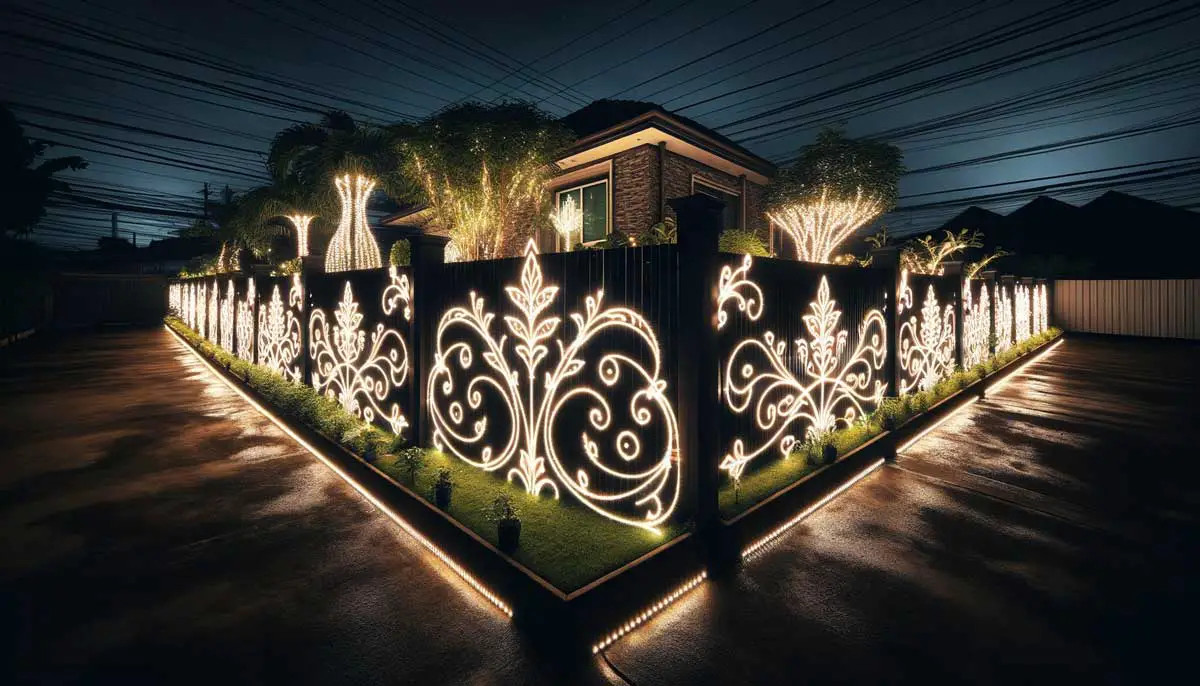
When outdoor lighting is working perfectly, it creates a warm, inviting vibe that’s hard to beat. But when things go wrong, it’s as if your yard decided it’s auditioning for a haunted house scene.
Outdoor lighting malfunctions can pop up for all kinds of reasons, from a bit of bad weather to a wiring issue you didn’t see coming. Figuring out the cause is the key to restoring that perfect glow and avoiding future frustrations.
In this article, we’ll dive into the common culprits behind outdoor lighting woes and share tips to keep your lights shining bright. Because let’s face it, life is better when your yard looks its best—and not like it’s stuck in a power outage.

Electrical Issues
Electrical troubles are often the main reason outdoor lighting decides to throw a tantrum. From dodgy wiring to an overloaded circuit, these hiccups can leave your yard in the dark when you least expect it.
Faulty Wiring
Wiring might not be glamorous, but it’s the backbone of any outdoor lighting setup. When it’s damaged or poorly installed, it can cause lights to flicker, dim unevenly, or stop working altogether—none of which are ideal for your backyard vibe.
The good news is, you can avoid a lot of wiring headaches by being proactive:
- Work with a licensed electrician to ensure the wiring is safe and up to standard.
- Schedule periodic inspections to catch wear and tear before it causes a blackout.
- Protect your wiring with durable insulation, especially in areas exposed to the elements.
Tripped Circuit Breakers
Sometimes the culprit isn’t the lights themselves but the circuit they’re connected to. Overloading a circuit, especially when other outdoor gadgets are plugged in, can cause the breaker to trip and leave everything in the dark.
Here are some ways to manage and prevent circuit overloads:
- Check the breaker box if your lights suddenly stop working—a quick reset might do the trick.
- Distribute your power load by plugging devices into different circuits.
- Consider upgrading your system if your setup frequently maxes out its capacity.
Loose Connections
Loose connections might sound like a minor problem, but they can wreak havoc on your outdoor lighting. A weak or unstable connection can cause your lights to flicker, which is fun for Halloween but less so the rest of the year.
To keep your connections secure and your lighting reliable, try these tips:
- Inspect connections regularly to ensure everything is tight and in place.
- Use weatherproof connectors to protect against moisture and dirt.
- Call in the pros if you’re unsure—it’s better than creating a bigger issue.
Weather-Related Problems

When it comes to outdoor lighting, the weather isn’t always your best friend. Rain, snow, and temperature swings can give your lights a hard time, and they aren’t exactly equipped with tiny umbrellas.
Water Intrusion
Moisture is one of the biggest troublemakers for outdoor lights. Whether it’s from a heavy downpour or high humidity, water can sneak into fixtures that aren’t properly sealed, causing short circuits and rust that quickly ruin the fun.
Here are some simple ways to keep water from ruining your setup:
- Go for waterproof fixtures specifically designed to handle the outdoors.
- Seal all connections tightly using weatherproof covers to block out moisture.
- Make sure the area has good drainage so water doesn’t pool around your lights.
Temperature Extremes
Outdoor lights aren’t immune to the effects of extreme weather. Freezing cold can make materials brittle, while scorching heat can cause bulbs and fixtures to overheat or wear out faster than they should.
To help your lights handle the elements like pros, consider these tips:
- Choose fixtures made from weather-resistant materials like stainless steel or heavy-duty plastic.
- Opt for climate-friendly bulbs, such as LEDs, which are built to handle temperature extremes.
- Place fixtures strategically to minimize direct exposure to harsh conditions.
Corrosion
Over time, exposure to moisture and air can lead to corrosion, which is a fancy way of saying your fixtures are rusting away. This can weaken the structure, disrupt electrical connections, and shorten the lifespan of your lights.
Here’s how you can give corrosion the boot:
- Pick fixtures made with corrosion-resistant materials like aluminum or brass.
- Apply protective coatings to metal parts to shield them from rust.
- Clean your fixtures regularly to remove dirt and moisture that speed up corrosion.

Component Failures
Even the best outdoor lighting systems are only as strong as their weakest parts. When those components start acting up, your perfectly lit space can quickly turn into a dim disappointment.
Burnt-Out Bulbs
Burnt-out bulbs are probably the most common—and the most annoying—lighting problem. While all bulbs have a lifespan, constant burnout can point to underlying issues like mismatched voltage or low-quality products.
Here are some simple ways to keep your lights shining longer:
- Switch to durable LED bulbs that are energy-efficient and built to last.
- Make sure the bulb wattage matches the fixture to avoid overloading or underpowering.
- Keep an eye on your bulbs and replace them before they flicker their last flicker.
Transformer Troubles
Transformers are the unsung heroes of your lighting system, keeping the power flow steady and reliable. When they start failing, your lights might dim, flicker, or just give up entirely, leaving you scratching your head.
To keep your transformers running smoothly, try these tips:
- Invest in high-quality outdoor transformers that can handle the job and the elements.
- Check for signs of overheating or wear and replace them if they’re not up to par.
- Distribute the power load evenly so your transformer doesn’t feel like it’s carrying the whole team.
Worn-Out Fixtures
Fixtures take the brunt of the outdoor elements, so it’s no surprise they start showing their age over time. From cracks and discoloration to general wear and tear, aging fixtures can drag down the overall look and performance of your lighting.
Here’s how to keep your fixtures in good shape:
- Clean them regularly to remove dirt, grime, and anything else nature throws at them.
- Replace worn-out parts like lenses or seals to keep them looking fresh and working properly.
- Opt for durable materials like stainless steel or weather-resistant finishes to maximize their lifespan.
Environmental Factors

Outdoor lighting doesn’t just battle weather and wiring—it also has to deal with everything happening in its environment. From sneaky critters to enthusiastic gardeners, the surroundings can throw a few curveballs at your lighting setup.
Pests and Wildlife
Your outdoor lights can become a magnet for bugs, rodents, and even birds looking for their next hangout. While insects swarm around the glow, animals might decide wires look like a tasty snack or turn your fixtures into cozy nesting spots.
Here are some simple ways to keep your lighting critter-free:
- Opt for pest-resistant wiring to make your system less appealing to nibblers.
- Seal your fixtures properly to keep insects and small animals from sneaking in.
- Position lights thoughtfully, avoiding spots that naturally attract pests.
Landscaping Challenges
Your lush greenery might look fantastic during the day, but it can create a few hiccups for your lighting at night. Overgrown branches, sprawling roots, and dense foliage can block light or even damage fixtures and wiring.
To ensure your landscaping and lighting work well together, try these tips:
- Keep trees and plants neatly trimmed to prevent them from overshadowing your lights.
- Plant strategically, avoiding large shrubs or trees too close to fixtures or cables.
- Check for root interference to protect any underground wiring.
Accidental Damage
Sometimes the biggest risks to your lighting are the everyday activities happening in your yard. From an overzealous lawnmower to an energetic game of catch, your fixtures can take a hit if they’re in the wrong place.
Here’s how to protect your lights from unintended mishaps:
- Place fixtures in low-traffic spots where they’re less likely to get bumped or broken.
- Choose durable, impact-resistant fixtures designed to handle a little wear and tear.
- Mark underground cables clearly before digging or doing any heavy yard work.

User Errors
Even the best outdoor lighting systems can stumble when we get a little too ambitious—or forgetful. From skipping the fine print during installation to neglecting basic maintenance, user mistakes are often at the root of many lighting mishaps.
Improper Installation
Setting up outdoor lighting might seem like a breeze, but small mistakes during installation can lead to big problems. Misplaced fixtures, tangled wires, or skipping key steps can quickly turn your lighting project into a frustration.
Here are a few ways to ensure your installation goes smoothly:
- Stick to the instructions provided by the manufacturer—they’re there for a reason.
- Double-check your wiring connections to avoid power issues down the road.
- Bring in a professional if the job feels too complex or overwhelming.
Neglecting Maintenance
Outdoor lights might not demand constant attention, but ignoring them completely isn’t the best idea. Over time, dirt, weather, and general wear can affect both their look and performance, leaving you with a less-than-bright setup.
To keep your lights shining strong, try these maintenance tips:
- Give your fixtures a quick clean to remove dirt, dust, and cobwebs.
- Inspect bulbs and wiring regularly to catch wear and tear before it escalates.
- Replace any faulty parts quickly to keep everything running smoothly.
Overloading the System
Adding more lights or using extra-bright bulbs can feel like the perfect solution for a dim yard—until your system starts to struggle. Overloading circuits can lead to flickering lights, tripped breakers, or worse, long-term damage to your setup.
Here’s how to keep your system running safely and efficiently:
- Check your system’s power capacity and stay within the recommended limits.
- Distribute the load across circuits to prevent overloading any one area.
- Upgrade your system components if you’re planning to expand your lighting setup significantly.

Technological Issues
With all the smart gadgets and automation available today, outdoor lighting has reached impressive levels of convenience. But as great as technology is, it’s not immune to the occasional hiccup that can leave you scratching your head.
Glitchy Smart Controls
Smart lighting systems are a game-changer—until they start acting more temperamental than helpful. Connection issues, outdated apps, or random glitches can make your once-effortless setup feel anything but.
Here are a few ways to keep your smart lighting under control:
- Keep software and apps updated to avoid compatibility issues and fix pesky bugs.
- Check your Wi-Fi strength to make sure your system is staying connected.
- Perform a quick reset when things go wonky—sometimes, the simplest fix really is the best.
Sensor Slip-Ups
Sensors like motion detectors and timers are incredibly handy, but they can run into trouble, too. Dirt, misalignment, or wear and tear can cause them to stop working or become less reliable.
To ensure your sensors stay on point, follow these tips:
- Give them a good cleaning every now and then to remove dust, cobwebs, or other debris.
- Reposition misaligned sensors so they can detect movement or changes accurately.
- Test their functionality regularly to catch small issues before they become bigger ones.
Compatibility Challenges
Upgrading your outdoor lighting system can be exciting, but mixing old and new components isn’t always a match made in heaven. Incompatibilities can lead to flickering lights or devices that simply won’t cooperate.
Here’s how to avoid compatibility headaches:
- Double-check compatibility before buying new components to ensure they’ll work with your existing setup.
- Seek advice from a professional if you’re unsure about mixing different technologies.
- Consider upgrading your entire system if compatibility becomes a recurring issue—it can save you frustration in the long run.
Keeping Your Outdoor Lights Bright and Reliable

Outdoor lighting does so much more than just light up your yard—it creates ambiance, adds safety, and makes your space feel welcoming. Like any part of your home, though, it needs a bit of attention to keep working its best. Understanding the common issues that can pop up is a great starting point to ensure your lights stay reliable and look fantastic.
With a little care and regular check-ins, most lighting problems can be prevented or fixed without too much hassle. Taking the time to maintain your setup means fewer headaches and more time enjoying your beautifully lit spaces. So, keep an eye on your system, handle the occasional hiccup, and let your outdoor lights do what they do best—shine.