Outdoor lighting is the secret ingredient that makes your yard feel both safe and welcoming, whether you’re hosting friends or just enjoying some quiet time. From illuminating walkways to setting the perfect mood for an evening outdoors, these lights quietly do their thing night after night.
Of course, even the best outdoor lights don’t last forever. Their longevity depends on things like the type of light, the weather they face, and how often they’re used, making it worth understanding what you’re getting into before you buy.
In this article, we’ll dive into the lifespans of different outdoor lighting types to help you make informed decisions. After all, knowing what to expect can save you time, money, and a few unnecessary headaches down the line.
Why Lifespan Matters in Outdoor Lighting

When it comes to outdoor lighting, lifespan isn’t just a number on the box—it’s a big deal that can save you time, effort, and money. After all, nobody wants to spend their weekends swapping out bulbs or dealing with flickering lights that give up too soon.
Here are some key reasons why understanding lifespan is worth your attention:
Durability Saves Money
- Outdoor lights that are built to last might cost a little more upfront, but they’ll save you from constantly buying replacements. Over time, that means fewer trips to the store and more money staying in your wallet. Plus, long-lasting lights reduce the wear and tear on your fixtures, so you’re getting double the savings in the long run.
Maintenance is Less of a Chore
- Let’s face it, nobody enjoys fiddling with outdoor lights in the middle of winter or climbing a ladder to replace a bulb when you’re already juggling a million other things. Choosing lights with a longer lifespan means fewer interruptions to your daily routine and more time spent actually enjoying your outdoor spaces. It’s one of those small conveniences that makes a big difference.
Energy Efficiency Goes Hand-in-Hand
- Many of the longest-lasting lighting options, like LEDs, are also incredibly energy-efficient. Not only do they reduce your electricity bills, but they also make your home more environmentally friendly. It’s a win-win: you save money while doing your part for the planet.
It Impacts Safety and Security
- Outdoor lighting does more than make your space look great—it keeps it safe. Lights that frequently burn out can leave dark spots, which isn’t just inconvenient but can also create security risks. Long-lasting lights help ensure that your pathways, entryways, and driveways stay well-lit and welcoming.
Lifespan of Different Outdoor Lighting Types

Outdoor lighting comes in all shapes, sizes, and lifespans, and knowing how long each type lasts can make your decisions much easier. After all, the last thing you want is to invest in lights that need constant replacing.
Here’s a closer look at some of the most common outdoor lighting types and what you can expect from each:
LED Lights
- LEDs are the overachievers of the outdoor lighting world, boasting a lifespan of 25,000 to 50,000 hours or even longer. That translates to years of reliable use, making them a great choice if you’d rather focus on enjoying your yard than replacing bulbs.
- They’re also incredibly energy-efficient and durable, which is why they’re so popular for everything from garden paths to patio lighting. Just make sure you opt for quality LEDs, as cheaper ones can fizzle out faster than you’d expect.
Halogen Lights
- Halogen lights are known for their bright, crisp illumination, but they’re not exactly marathon runners, with a lifespan of 2,000 to 4,000 hours. They do a fantastic job of mimicking natural light, making them ideal for spaces where you want a warm and welcoming glow.
- However, they require more frequent replacements, so they’re better for areas where you don’t mind a bit of regular upkeep.
Fluorescent Lights (CFLs)
- Fluorescent lights sit comfortably in the middle of the pack, lasting around 8,000 to 10,000 hours. They’re more energy-efficient than halogens but don’t quite match the longevity of LEDs. While they work well in most environments, extreme temperatures can make them act up, so they’re best for locations with mild weather.
Incandescent Lights
- Incandescent lights have a vintage charm but come with a lifespan that’s more like a sprint—typically 750 to 2,000 hours. These traditional bulbs are rarely used for outdoor lighting anymore because they’re not energy-efficient and burn out quickly. If you’re still using incandescents, it might be time to upgrade to something that saves you time and money in the long run.
Solar-Powered Lights
- Solar lights are a great eco-friendly option, but their longevity can be a bit of a mixed bag. The LEDs themselves can last 3 to 5 years, but the rechargeable batteries usually need replacing every 1 to 2 years.
- Their performance heavily depends on how much sunlight they soak up, so they’re best suited for sunny areas where they can recharge properly.
Check out these solar lights products:


High-Intensity Discharge (HID) Lights
- HID lights, like metal halide or high-pressure sodium lamps, are built for heavy-duty use and last anywhere from 10,000 to 24,000 hours. Their high brightness makes them perfect for large areas like parking lots or sports fields, where you need powerful illumination. However, they rely on ballasts, which might need occasional maintenance to keep everything running smoothly.
Factors That Impact the Lifespan of Outdoor Lights
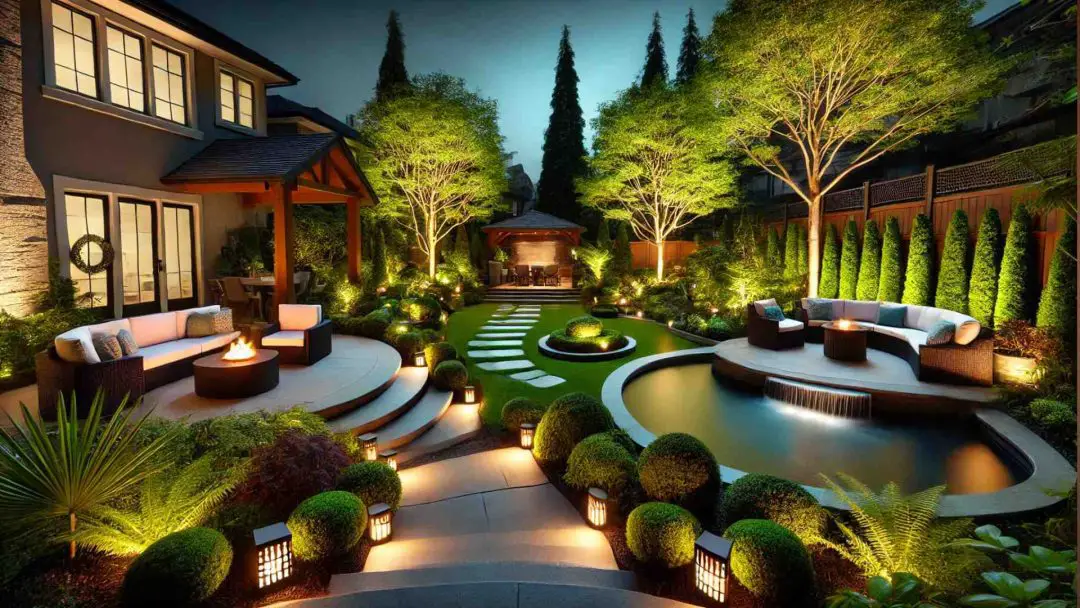
The lifespan of outdoor lights isn’t just about what the box promises—it’s shaped by real-life conditions and how you treat them. Some lights can last for years with the right care, while others might not make it through a single season if neglected.
Here are the major factors that can influence how long your outdoor lights last:
Weather and Environmental Conditions
- Outdoor lights face everything Mother Nature can throw at them—rain, snow, humidity, and scorching heat. Over time, exposure to these elements can cause rust, cracks, or fading that shorten their lifespan.
- To keep them shining longer, look for fixtures with high IP (Ingress Protection) ratings that are specifically designed to withstand water, dust, and extreme temperatures.
Quality of Materials
- The materials your lights are made from play a huge role in how long they’ll last. Cheaper fixtures might look fine at first, but they often corrode, fade, or fall apart faster.
- Opt for durable options like stainless steel, aluminum, or high-quality plastics that can handle tough outdoor conditions without breaking a sweat—or your budget later on.
Installation Practices
- A great light can only do so much if it’s not installed properly. Loose connections, poor wiring, or placing a fixture in a spot it wasn’t designed for can lead to early failures.
- Taking the time to securely mount your lights and ensure they’re installed to manufacturer specifications will keep them working as intended for longer.
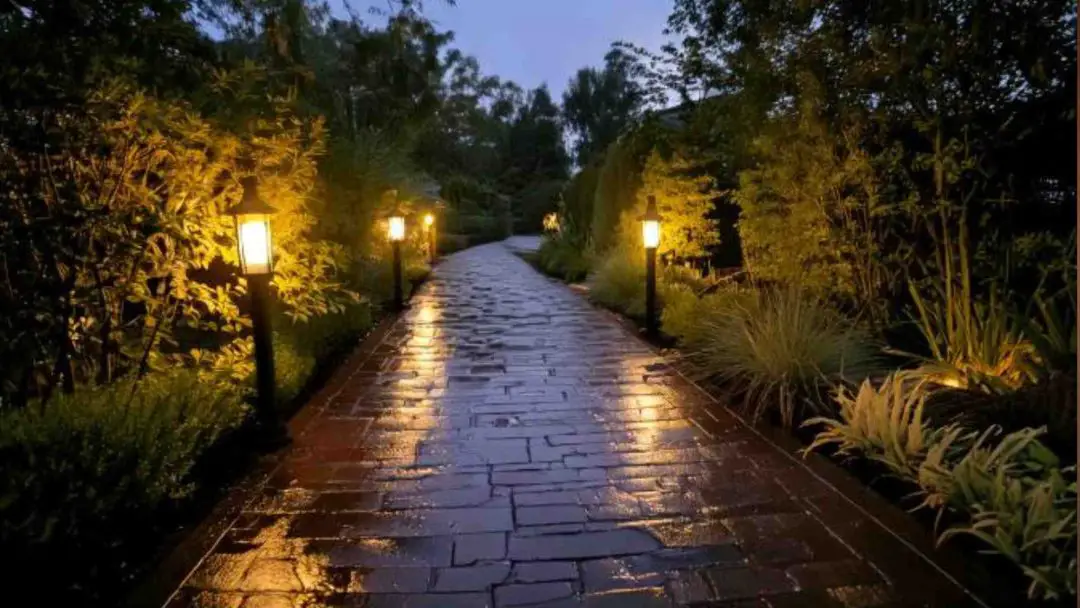
Usage Patterns
- How often you use your lights also matters—think of it like mileage on a car. Lights that are on 24/7 will naturally wear out faster than those used sparingly.
- Adding motion sensors or timers can help minimize unnecessary usage, reducing strain on the fixture while keeping your energy bills happy, too.
Maintenance and Upkeep
- Even the most robust lights need a little TLC to stay in tip-top shape. Regular cleaning helps remove dirt, pollen, and grime that can block light or cause overheating.
- Checking for loose parts, worn wires, or fading finishes during routine maintenance can nip small problems in the bud before they turn into bigger headaches.
Tips for Maximizing the Lifespan of Outdoor Lights
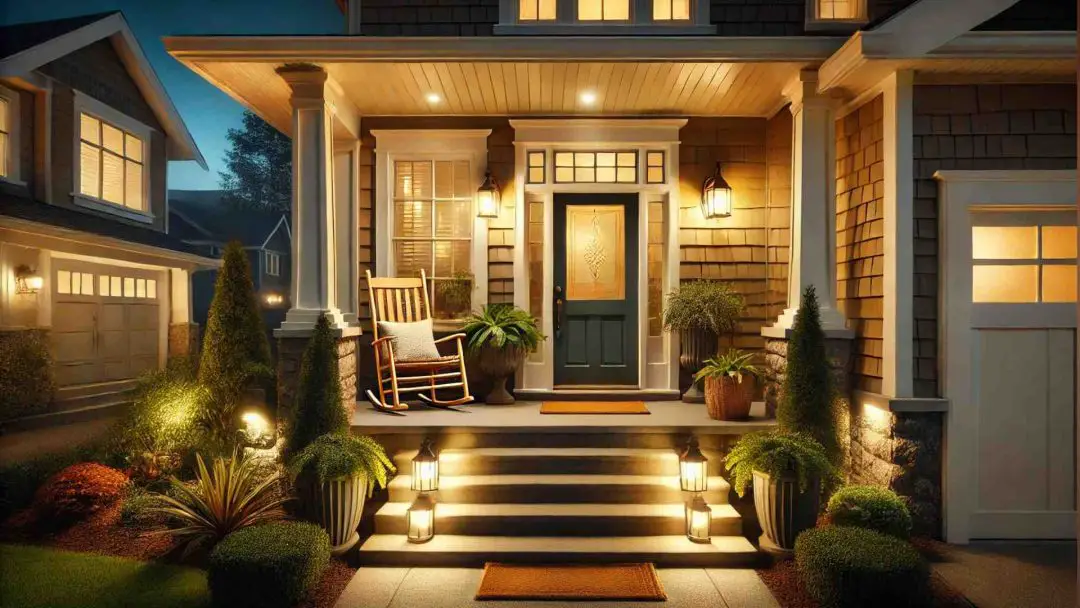
Outdoor lights may not ask for much, but giving them a little care can make a big difference in how long they stick around. With the right tricks up your sleeve, you can keep them shining bright while saving time, money, and the occasional headache.
Here are some easy but effective ways to make your outdoor lights last longer:
Invest in Quality Fixtures
- Cheap lights might seem like a bargain, but they tend to wear out faster and cost you more in the long run. High-quality fixtures, made from materials like stainless steel or durable plastic, can handle the elements without rusting, cracking, or fading.
- Plus, many premium lights come with warranties, which means extra peace of mind if something goes wrong.
Protect Them from Harsh Weather
- While outdoor lights are built to handle the elements, even they can use a little backup. Placing lights under a covered area or using weatherproof housings can help shield them from heavy rain, snow, or intense sunlight.
- If you live somewhere with extreme weather swings, opt for lights designed to withstand those conditions—they’ll last longer and perform better.
Adopt Smart Lighting Technology
- Installing motion sensors or timers is a simple way to give your lights a break when they’re not needed. By reducing how often they’re on, you’ll not only extend their lifespan but also cut down on energy use.
- Smart lighting systems take it a step further, letting you control your lights remotely for maximum efficiency and convenience.

Perform Regular Maintenance
- A little upkeep goes a long way in keeping your lights looking and working like new. Cleaning them regularly clears away dirt and grime that can dull their brightness or cause overheating. It’s also a good idea to check for loose connections, worn wires, or damaged parts—catching small issues early can save you a big repair bill later.
Use the Right Light for the Right Spot
- Not all lights are created equal, and where you place them matters. Solar lights, for instance, need plenty of direct sunlight to recharge, while heat-sensitive fixtures should stay far from grilling areas or fire pits.
- Matching your lights to their environment ensures they’ll work as intended and last as long as they should.
Making the Most of Your Lights’ Lifespan
Outdoor lighting is more than just a practical addition—it’s what keeps your yard feeling warm, safe, and full of character after the sun goes down. With a little know-how and some easy upkeep, your lights can stick around for the long haul without losing their sparkle. Understanding what affects their lifespan means you can enjoy years of bright, reliable lighting without constantly worrying about replacements.
Taking care of your outdoor lights doesn’t have to be a chore. Simple steps like regular cleaning, smart placement, and a few tech-savvy upgrades can make all the difference. So, let your lights do what they’re meant to do—bring your outdoor spaces to life—while you sit back and enjoy the glow.