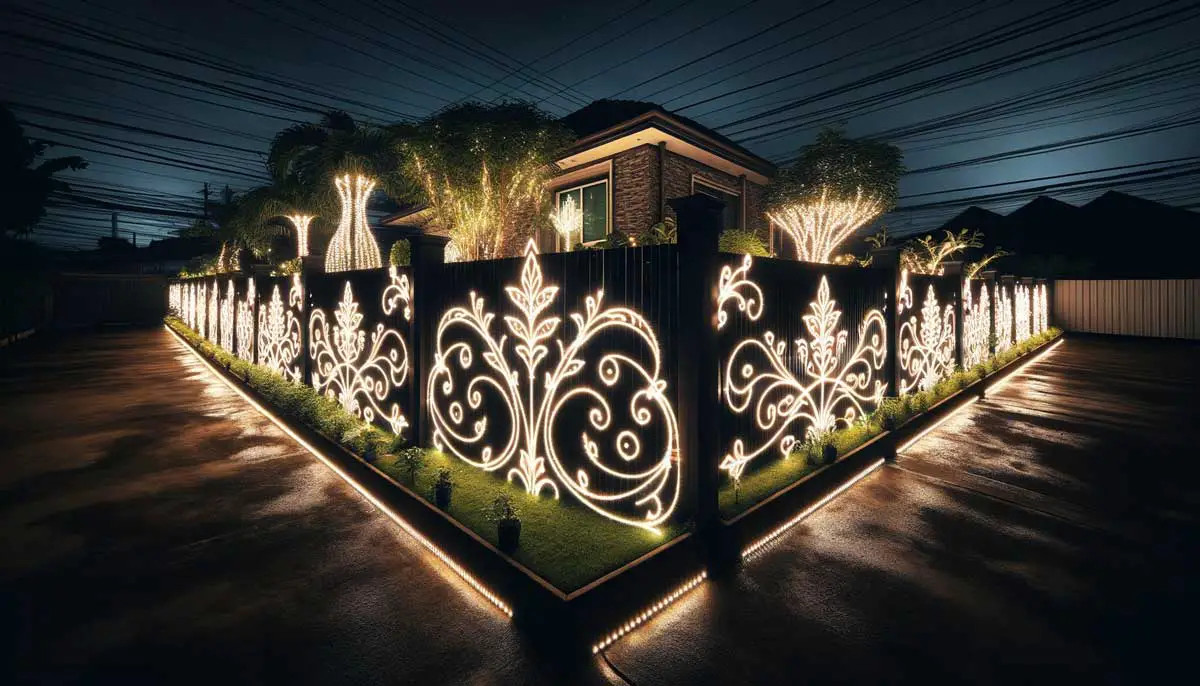
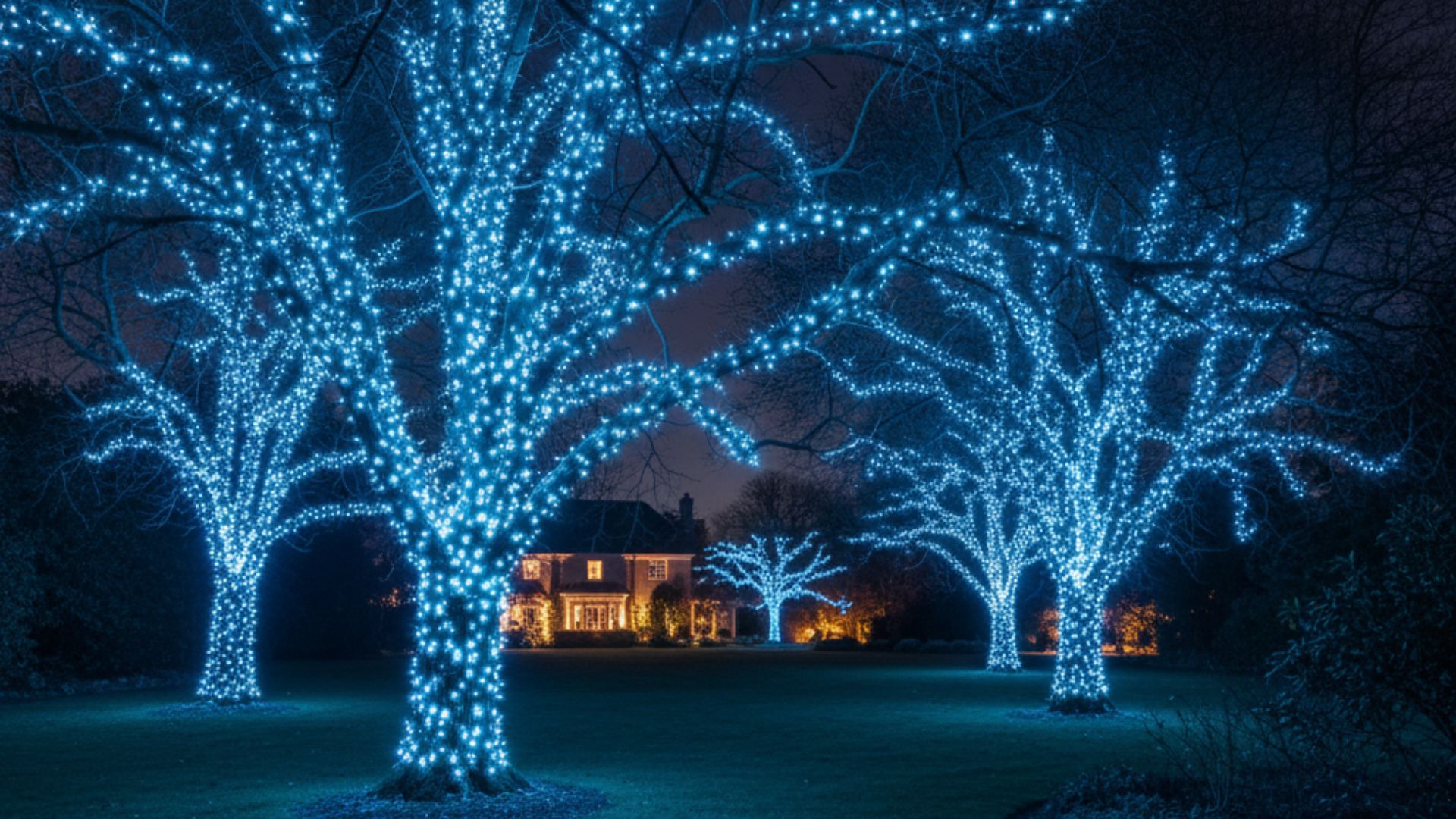
Beyond safety, low-voltage lights are celebrated for their reduced energy consumption, aligning seamlessly with eco-friendly practices. Their simplicity in installation also makes them a preferred option for both professional and DIY lighting projects.
This article aims to answer the above question in full detail, as well as other queries that will help you make better and safer decisions when it comes to outdoor lighting.
Why Are Outdoor Lights Low Voltage?

Safety: The Foremost Priority in Outdoor Lighting
Central to the choice of low voltage for outdoor lights is the paramount concern for safety. Outdoor areas, by their nature, are more prone to variable and often harsh weather conditions, as well as frequent human interaction.
High voltage systems, typically around 120 volts in residential settings, carry a greater risk of electrical shock and injury, especially when exposed to water or physical damage. Low voltage lighting, usually operating at a safe 12 volts, drastically reduces this risk.
The lower voltage is significantly less likely to cause harm in the event of wire exposure or equipment malfunction, making it a safer option for gardens, patios, and other outdoor spaces where people and pets are likely to be present.
This safety aspect is not just a benefit but a crucial factor in outdoor lighting design, especially in areas accessible to children and in wet conditions like near pools or in rainy climates.
Energy Efficiency and Installation: Dual Advantages
In addition to safety, low voltage outdoor lighting systems are lauded for their energy efficiency and ease of installation. These systems consume less power compared to their high-voltage counterparts, leading to lower electricity bills and a smaller environmental footprint.
This efficiency does not come at the cost of brightness or functionality, as modern low voltage lights offer a range of luminosities suitable for various outdoor needs, from subtle pathway lighting to bright spotlights for security.
On the installation front, low voltage systems are generally easier and less costly to install. They require thinner, less expensive wiring and do not typically necessitate the same rigorous installation procedures and protections (like conduit) required for high voltage systems.
The ease of installation makes low voltage lighting a favorite among DIY enthusiasts and reduces labor and material costs for professional installations, further adding to its appeal in outdoor lighting scenarios.
What is the Best Voltage for Outdoor Lights?

Deciphering the Ideal Voltage for Outdoor Lighting: Balancing Needs and Context
When determining the best voltage for outdoor lighting, it’s essential to consider the specific requirements and context of the lighting application. While low voltage (12 volts) is widely preferred for residential outdoor lighting due to its safety and energy efficiency, the ideal voltage can vary based on the intended use and location.
For instance, in expansive or commercial spaces like public parks or large gardens, higher voltage systems (120 volts) might be necessary to cover greater distances and provide more intense illumination. These high voltage systems are more suitable for street lights, large-scale floodlights, or area lights where bright, widespread coverage is needed.
However, for most residential settings, where the focus is on ambiance, accentuation, and safety along pathways or garden features, low voltage lighting is often more than adequate. It provides a gentle, inviting glow without the intensity or potential hazards of high voltage systems.
Tailoring Voltage to Function: A Practical Approach
The decision on voltage also hinges on the specific function of the lighting. For subtle accent lighting, garden path lighting, or patio illumination, 12-volt low voltage systems are ideal. They offer sufficient brightness while ensuring safety and energy efficiency.
On the other hand, for functional lighting that requires high brightness, such as security floodlights, a higher voltage may be necessary.
It’s also worth considering the installation and maintenance aspects. Low voltage systems are easier and more cost-effective to install and maintain, which is a significant factor for most homeowners.
Ultimately, the best voltage for outdoor lights is one that aligns with the lighting’s purpose, the location’s characteristics, and the homeowner’s preferences for safety, efficiency, and maintenance.
Table: Comparing Voltage Options for Outdoor Lighting
| Voltage Type | Ideal Usage | Safety | Energy Efficiency | Installation & Maintenance |
| Low Voltage (12V) | Residential gardens, pathways, accent lighting | High safety, low risk of shock | Highly energy efficient | Easy and cost-effective installation and maintenance |
| High Voltage (120V) | Commercial spaces, street lighting, high-brightness needs | Lower safety, higher risk management required | Less energy efficient compared to low voltage | More complex and costly installation and maintenance |
How Can You Prevent Voltage Drop in Landscape Lighting?

Understanding and Tackling Voltage Drop in Landscape Lighting
Voltage drop in landscape lighting is a common issue that can lead to dim and uneven lighting, detracting from the beauty and functionality of your outdoor space. This phenomenon occurs when the electrical current travels a long distance through wires, causing a decrease in voltage by the time it reaches the lights.
The primary factor contributing to voltage drop is the use of long or undersized wires for the given load and distance.
To prevent this, it is crucial to calculate the total wattage of all lights on a circuit and ensure that the wire gauge is appropriate for the load and the distance it needs to cover.
For larger landscapes, consider dividing the lighting into separate circuits to reduce the load on each one.
Additionally, using a higher-rated transformer can help maintain consistent voltage, especially when the lights are spread out over a considerable distance.
Practical Strategies for Minimizing Voltage Drop
To effectively combat voltage drop, several practical strategies can be employed:
- Use LED lights: They consume less power, reducing the total wattage on a circuit and lessening the chance of voltage drop.
- Plan the lighting layout considering voltage drop: Distribute lights evenly across the circuit and avoid long cable runs to maintain consistent voltage levels.
- Utilize thicker gauge wires for long runs: If long cable runs are necessary, opt for a lower AWG number (thicker wire) to minimize voltage drop.
- Implement a multi-tap transformer: This allows for voltage adjustment on different runs, compensating for voltage drop over extended distances.
- Ensuring bright, even distribution: By following these strategies, landscape lighting will remain uniformly bright and effective, enhancing both the aesthetic and functional aspects of the outdoor area.
An Enlightening Conclusion

In conclusion, understanding the nuances of voltage in outdoor lighting is crucial for creating a safe, efficient, and aesthetically pleasing environment. Whether opting for low voltage systems for residential areas or considering higher voltage for more extensive, commercial spaces, the key lies in matching the voltage to the specific needs of the space.
Additionally, addressing challenges like voltage drop through practical strategies ensures that your landscape lighting remains consistently bright and functional.
By carefully considering these aspects, you can enhance the beauty and utility of your outdoor spaces, making them inviting and safe for all who traverse them.