It turns out there are several reasons behind this colorful choice, ranging from practical applications to aesthetic preferences.
For starters, purple lighting in outdoor settings isn’t just for looks; it serves some pretty nifty purposes. For example, some lights emit a purple color to deter insects, which are less attracted to this spectrum. And let’s not forget, it just looks cool, adding a touch of the futuristic to everything from city parks to your backyard garden.
So why are these outdoor lights purple? Well, let’s find out.
Reasons Why Some Outdoor Lights Are Purple

Ever walked down the street and noticed some outdoor lights glowing in shades of purple? There are quite a few reasons why this might be happening, from technical issues to intentional design choices.
1. Ultraviolet Light Emission for Insect Control
Some outdoor lights are specifically designed to emit light at ultraviolet (UV) wavelengths, which is a clever tactic to keep pesky insects at bay. Insects are generally less attracted to UV light, making these purple-tinted lights a practical choice for areas where reducing the bug population is a priority. However, to human eyes, these lights can sometimes appear bluish or purple, adding a unique visual aspect to their functional benefits.
2. Aesthetic Choices
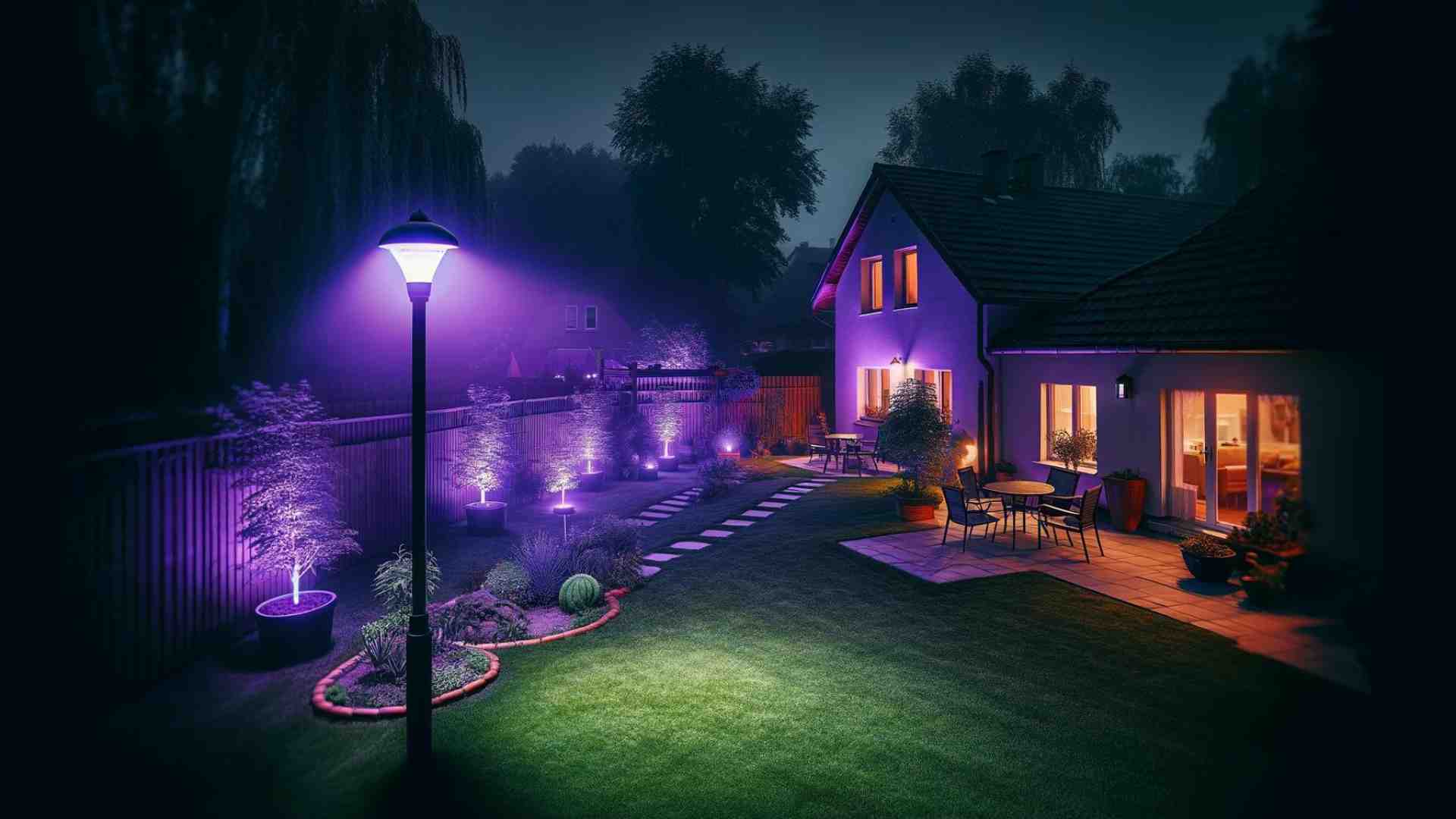
In some cases, the choice of purple lighting is purely aesthetic. Designers might opt for purple lights to impart a distinctive or futuristic ambiance to a park, building facade, or garden. This choice can transform an ordinary location into a visually striking one, using lighting to enhance or complement the environment in an appealing way.
3. Transition to LED Technology
As urban areas transition from traditional lighting methods to more energy-efficient LEDs, variations in light color can occur. Cheaper or lower-quality LEDs might emit a spectrum that skews toward the violet end, resulting in a purple glow. This shift isn’t always intentional and can reflect differences in manufacturing processes or materials used.
4. Symbolic or Thematic Significance
Sometimes, the use of purple lighting is symbolic, representing specific causes or events. For instance, purple lights are often used during Alzheimer’s or cancer awareness months to highlight these issues. This use of color can create a powerful visual reminder of important themes or societal challenges.
5. Filter Usage
Filters can also turn regular lights purple. These might be used to adjust the visual impact of light pollution or to create specific artistic effects in places like public parks or performance spaces. Such applications demonstrate how light can be manipulated to achieve desired environmental and aesthetic outcomes.

6. Special Events
Event planners frequently utilize purple lighting to set the mood or highlight key features at events like concerts or festivals. This color can provide a dramatic backdrop that enhances the overall experience for attendees, making the event memorable and visually engaging.
7. Environmental Lighting Programs
In an effort to minimize light pollution and its harmful effects on wildlife, some communities implement lighting strategies that include the use of purple light. This approach is particularly valuable in coastal areas, where preserving the natural habits of marine life is crucial. Purple lighting serves to reduce disruption while maintaining necessary illumination for human activities.
8. Manufacturing Defects in LEDs
Occasionally, manufacturing defects in LEDs can result in a purple output instead of the standard white or yellow. This usually happens when the phosphor used to convert blue LED light to a wider spectrum is applied unevenly or is of low quality. Such inconsistencies can inadvertently produce lights with a purple hue, highlighting the importance of quality control in manufacturing.
9. Color Shift Over Time
LEDs can change color as they age, a phenomenon known as color shifting. If the yellow phosphors in an LED degrade while the blue ones remain stable, the light may start to appear more purple. This aging process affects not just the visual appeal but also the functional quality of the lighting.
Impact of Purple Outdoor Lights

Purple outdoor lights aren’t just a style statement; they can have various effects on our environment and the way we experience spaces. From enhancing the ambiance to affecting wildlife, let’s explore the range of impacts these colorful lights can have.
1. Enhanced Aesthetics
Purple lighting can dramatically transform the ambiance of an area, creating a visually striking effect that enhances aesthetic appeal. This type of lighting can make architectural features stand out and give landscapes a mystical or futuristic feel. It’s especially popular in entertainment and commercial districts where businesses use light to attract and delight visitors.
The right shade of purple can also make the colors of plants and other design elements pop, contributing to a dynamic visual experience.
2. Thematic Significance
Beyond beauty, purple lights are often used to convey important themes or messages. During specific months, such as Alzheimer’s Awareness Month or Cancer Awareness Month, purple lights serve a symbolic purpose, raising awareness and showing solidarity with affected individuals.
This use of purple lighting can foster community engagement and promote public initiatives. It’s a powerful way to visually communicate support and raise societal awareness on important issues.
3. Insect Deterrence
One practical benefit of using purple outdoor lights is their ability to deter insects, which are less attracted to purple and ultraviolet wavelengths. This can lead to more comfortable outdoor environments, especially during warm months when insects are most active.
Restaurants, parks, and residential areas benefit from reduced bug disturbances, making outdoor spaces more enjoyable for evening activities.
Additionally, this can help reduce the reliance on chemical insect repellents, which have their own environmental impacts.

4. Environmental Considerations
While purple lights have their benefits, they also come with environmental considerations, particularly concerning wildlife. Lights that emit in the UV spectrum can disrupt the natural behaviors of nocturnal animals and interfere with the navigational cues used by migratory species.
This disruption can lead to ecological imbalances, affecting local wildlife populations and their habitats. It’s crucial for lighting designers and city planners to consider these impacts when implementing purple lighting schemes in sensitive areas.
5. Light Pollution
Purple lights can contribute to light pollution, particularly in urban areas where they are used extensively. This form of pollution not only obscures our view of the night sky but can also disrupt human circadian rhythms, leading to sleep disturbances.
While purple lighting might be less intrusive compared to brighter whites, its widespread use can still contribute to the overall light pollution problem.
Efforts to minimize light pollution require careful planning and the adoption of lighting practices that reduce unnecessary skyglow.
6. Potential for Visual Discomfort
In some cases, purple lighting can cause visual discomfort or make it difficult for people to see clearly. This color can sometimes be harsh on the eyes, especially in poorly lit areas or where it contrasts strongly with other lighting.
Public spaces that use excessive purple lighting might find that it detracts from visibility rather than improving it, which could lead to safety issues, particularly for the elderly or visually impaired.
It’s important for outdoor lighting to balance aesthetic considerations with practical visibility needs.
How to Prevent Outdoor Lighting from Turning Purple

So, you’ve set up your outdoor lights and suddenly, they’re casting a purple glow that you hadn’t planned on? Here are some practical tips to keep your outdoor lighting true to color, ensuring that any unwanted purple hues don’t surprise you:
1. Use High-Quality LED Bulbs
Investing in high-quality LED bulbs is one of the best ways to avoid unexpected color shifts in your outdoor lighting. Higher quality LEDs tend to have better color stability and a longer lifespan, which helps maintain the intended light color throughout their use. This means they are less likely to exhibit the unexpected shifts to purple tones that can occur with lower quality products.
When choosing LEDs, look for those with a high Color Rendering Index (CRI) and warranties that cover color stability. Manufacturers often specify the color temperature and CRI of their bulbs, so you can select the exact lighting atmosphere you want for your outdoor space. By spending a bit more upfront on quality LEDs, you can save on future maintenance and replacement costs while ensuring consistent lighting color.
2. Regular Maintenance and Cleaning
Dirt and debris can alter the color perception of your lights, sometimes adding a purple tint if the lenses are covered in certain types of grime. Regular cleaning of your light fixtures will ensure that the bulbs can shine brightly and true to their intended color. A clean light fixture reflects and refracts light more efficiently, reducing the chances of color distortion.
Set a maintenance schedule based on the environment around your lights; more frequent cleaning may be necessary in areas with high pollution or dust. Use a soft cloth and suitable cleaning products to avoid scratching the lenses or damaging the fixtures. Proper maintenance not only prevents color changes but also extends the life of your lighting setup.
3. Correct Installation
Improper installation can lead to numerous problems, including color shifting in lights. Ensure that all light fixtures are correctly installed and that the electrical connections are secure and properly insulated. This will help maintain the integrity of the light’s color and prevent any electrical faults that could alter the lighting output.
It’s wise to consult with or hire a professional electrician to install outdoor lighting. Professionals understand how to match the right type of bulbs with the appropriate fixtures and can ensure that everything is set up to avoid potential issues, including unwanted color changes. Getting it right the first time prevents the need for adjustments later, which might involve additional costs and hassle.
4. Monitor for Environmental Impacts
Environmental factors like sunlight exposure and temperature can affect the appearance of your outdoor lights. If your lights are exposed to intense sunlight, the UV rays can degrade the materials over time, leading to discoloration or a purple tint. Monitoring these conditions can help you anticipate and mitigate potential problems.
Consider installing shields or using lights designed to withstand harsh environmental conditions. These solutions can protect your lights from the sun’s damaging effects and prevent color shifting. Regular inspections will also help catch and rectify any early signs of wear and tear that might lead to color changes in your lighting.
Reflecting on the Purple Light Phenomenon
As we’ve seen, purple outdoor lights aren’t just about aesthetics; they serve functional purposes too, from enhancing visibility to expressing solidarity with important causes. Their ability to deter insects can make evening gatherings more pleasant, avoiding the need for harsh chemical repellents.
However, while these lights beautify and serve, they also carry potential drawbacks that warrant attention.
The use of purple lighting, particularly in excessive amounts, can contribute to light pollution and disrupt the natural rhythms of both wildlife and humans. This can lead to ecological imbalances and affect human health, such as disrupting sleep patterns. Thus, while the purple glow is certainly captivating, it is crucial to balance its use with consideration for the environment and community well-being.