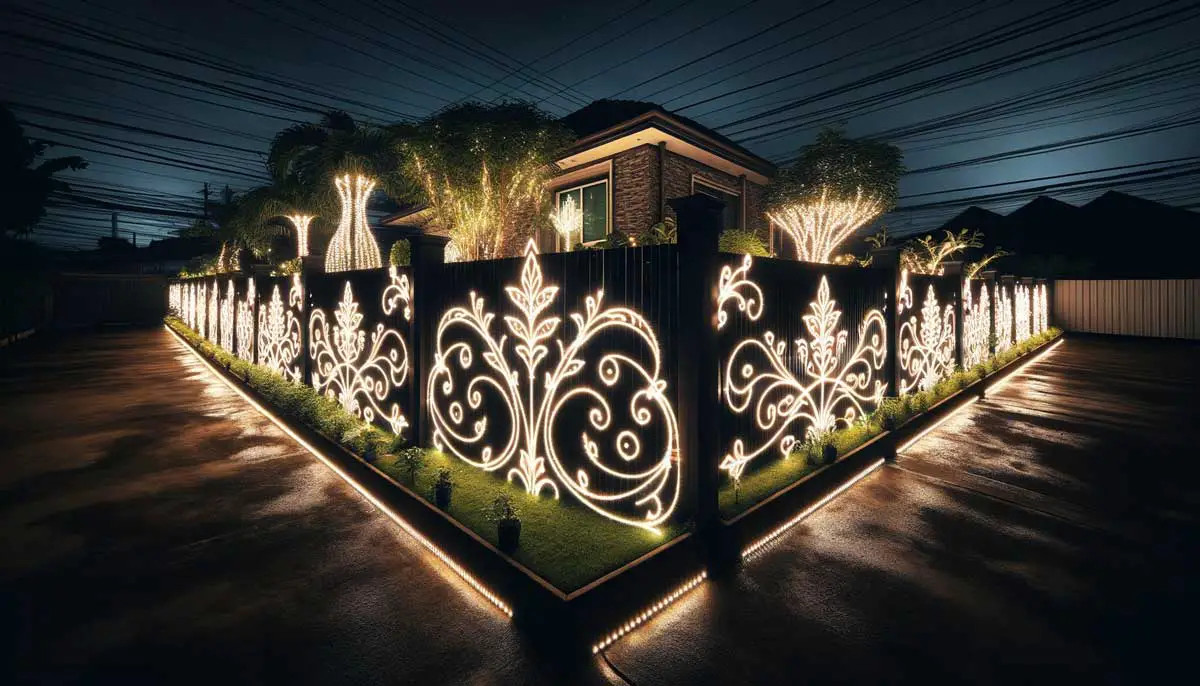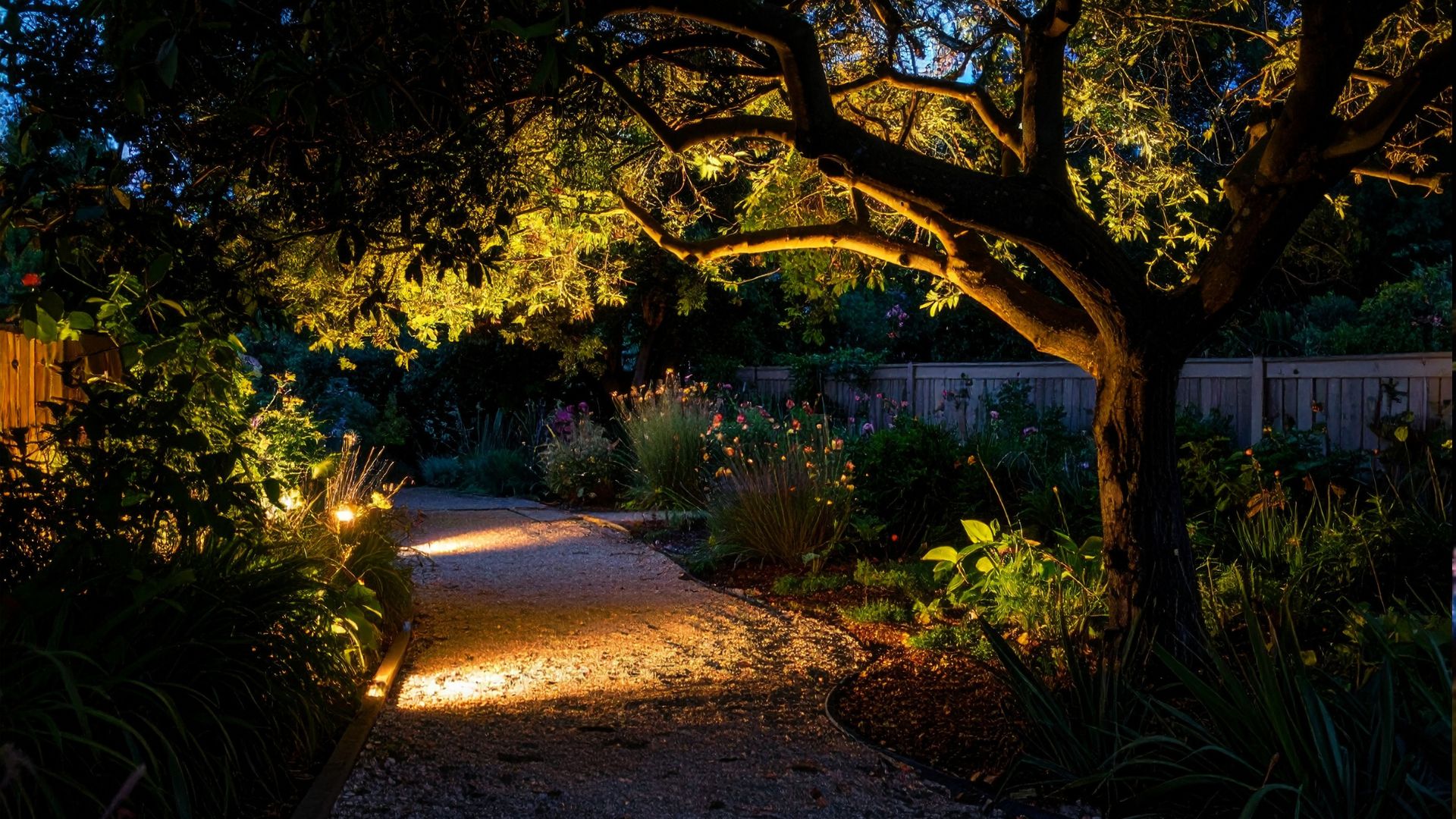
Most people don’t set out to overlight their garden—it just sort of happens. You start with a few path lights, maybe toss in some string lights for charm, then add a spotlight or two for that dramatic tree, and before you know it, your backyard looks ready for a late-night sports event. What was meant to be cozy and inviting suddenly feels a little… over-caffeinated.
It’s an easy trap to fall into because lighting feels like decorating, and decorating is fun. There’s a certain satisfaction in flipping the switch and seeing everything light up—but that excitement can quickly turn into overload. Too much light flattens all the nice textures, creates glare, and drowns out the subtle beauty you were aiming for in the first place.
We’ve all been there, and the fix is easier than you might think. Today, in this article, we’re digging into why less really can be more when it comes to lighting your garden.
How Can You Tell If You’re Overlighting Your Garden

Sometimes, it’s not obvious your garden is overlit until you pause and really look—or until a neighbor jokingly asks if you’ve opened an all-night garden café.
The good news is, once you know what to look for, spotting the signs of overlighting becomes a lot easier:
- There’s glare in your eyes instead of a gentle glow on the plants – If you find yourself squinting every time you step outside at night, it’s likely because your lights are too harsh or aimed the wrong way. Glare doesn’t just kill the mood—it can actually make it harder to see what’s in front of you by flattening contrast and blowing out detail.
- You can spot your backyard from the end of the street – When your garden lights are shining loud and proud well beyond your fence line, you’re dealing with a light spill. That kind of overflow wastes energy, disrupts the nighttime calm, and can quickly wear out your welcome with the neighbors.
- The shadows are long, sharp, and oddly dramatic – Intense lighting can throw hard shadows that make your peaceful path look like a crime scene. Softer, layered lighting helps create depth and texture without turning your garden into a stage set.
- Everything’s lit up equally—so nothing really stands out – If all your plants, trees, and garden furniture are equally bright, the eye doesn’t know where to land. A thoughtful mix of highlights and shadows creates visual interest and makes focal points pop.
- The bugs are throwing nightly parties under your lights – Bright, especially cool-toned lighting attracts insects like a buffet. Aside from being annoying during your evening wind-down, it can throw off the balance of your garden’s little ecosystem.
- You’re using floodlights where a few fairy lights would’ve done the job – Floodlights have their purpose, but blasting them at a flower bed is overkill. Smaller, well-placed fixtures usually create a more inviting, relaxed atmosphere.
- You’ve got more lights than plants – If your garden looks more like a lighting aisle than a green space, it’s probably time to scale back. Lighting should complement your garden’s beauty—not compete with it.
Harmful Effects from Too Much Outdoor Lighting in Your Garden

Too much lighting in your garden doesn’t just kill the mood—it quietly invites a bunch of problems most people don’t notice right away.
Let’s break down what all that extra glow might be doing behind the scenes:
- It throws off your plants’ natural rhythms – Just like us, plants need a break at night to recharge and stay healthy. Constant exposure to artificial light can confuse their internal clocks, which may slow growth, mess with blooming schedules, or interfere with dormancy.
- It stresses out the local wildlife – Birds, bugs, and nighttime critters rely on darkness to feed, rest, and move safely. Bright, unrelenting lights can throw off their instincts, making it harder for them to survive or even stick around.
- It adds to light pollution – That extra brightness doesn’t stay politely inside your yard—it spills upward and outward, clouding the night sky for everyone. When enough gardens glow like stadiums, we lose the stars and the calm that comes with them.
- It bumps up your energy bill – More lights running for longer hours naturally means more electricity used—and more money spent. Even those little path lights can add up if they’re on all night, every night.
- It’s hard on the eyes – Bright, direct lighting can cause glare, especially when you’re shifting between indoors and outdoors. Instead of gently guiding your way, it ends up blinding you for a second and making things harder to see.
- It ruins the atmosphere – A garden should feel calm, soft, and a little magical when the sun goes down. But when every leaf is spotlighted like it’s starring in a concert, the whole space starts to feel harsh and overdone.
How to Avoid Overlighting Your Garden

Avoiding overlighting your garden doesn’t mean ditching the lights completely—it’s about using them with purpose and restraint. The key is finding that sweet spot where your garden is lit beautifully but still feels relaxed, inviting, and natural.
Here’s how you can keep things balanced and stylish:
- Light only the areas that need it – Instead of lighting every corner of your garden, focus on the areas that matter most—like walkways, seating, and standout plants. This helps highlight the beauty of your space without turning your garden into a glowing spectacle.
- Choose warmer, softer bulbs – Harsh white light can feel a bit jarring outdoors, especially with all the natural elements. Opting for warm-toned bulbs creates a cozy, inviting atmosphere that blends seamlessly with your plants and landscaping.
- Consider dimmers or low-wattage bulbs – Not every area needs to be as bright as a spotlight. With dimmers, you can adjust the light to match the mood, while lower-wattage bulbs provide just enough glow without overwhelming the space.
- Shield your lights to control the direction – Properly shielded fixtures direct light exactly where it’s needed, preventing it from spilling into unwanted areas or blinding you and your neighbors. This keeps the focus on what you want to highlight, without wasting energy or creating glare.
- Use timers or motion sensors – Timers or motion sensors ensure your lights aren’t on all night long when they don’t need to be. Motion sensors are great for providing security lighting while keeping everything else dark and calm.
- Treat lighting as an accent, not a flood – Think of your lights as a way to subtly enhance your garden, not to overpower it. A few well-placed fixtures will add charm and depth, while overlighting will flatten everything and spoil the natural vibe.
Creative Tips and Ideas to Avoid Overlighting Your Garden

Lighting your garden doesn’t have to be an all-or-nothing situation—it’s not a choice between total darkness and turning your yard into an airport runway. With a little imagination and the right touches, you can keep things softly lit and full of charm without overdoing it.
Here are some clever and creative outdoor lighting ideas to keep your garden glowing just right:
- Try candle lanterns or solar jars for a soft, cozy glow – There’s something timeless about the flicker of candlelight. Whether you use real candles or flameless ones, pairing them with lanterns or solar jars creates gentle pools of light that feel relaxed, not theatrical.
- Tuck fairy lights into unexpected spots – Instead of draping them across everything in sight, weave fairy lights through low shrubs, coil them at the base of planters, or run them just under a bench. You’ll get that subtle twinkle without flooding the space in sparkle.
- Light up textures, not just objects – A little light cast on a stone wall, tree bark, or leafy plant can add depth and visual interest. It’s a great way to bring out the character of your garden without spotlighting everything like it’s on stage.
- Use glow-in-the-dark accents for playful lighting – Think glow pebbles along pathways or tucked into flower beds. They charge up during the day and gently glow at night—no wires, no switches, just quiet whimsy.
- Bounce light with reflective surfaces – A small mirror, polished stone, or even a metal garden ornament can help catch and reflect existing light. This adds a bit of sparkle and spreads light more naturally, without needing another fixture.
- Create a moonlight effect by placing lights up high – Mounting a few lights in trees so they shine down mimics the effect of moonlight. It feels calm, elegant, and much less harsh than lighting things from below.
Keeping Outdoor Lighting in Your Garden Balanced and Intentional

Good lighting is a bit like good conversation—it works best when it’s thoughtful, well-placed, and leaves a little room for quiet. In your garden, that means letting the darkness have its moments too, instead of filling every corner with brightness. Subtle, intentional lighting doesn’t just look better—it feels better, more relaxed, more like home.
As you look out at your own space, think of light as a finishing touch, not the main event. Let it enhance, not overpower, and trust that the charm of your garden doesn’t need a spotlight to shine. A well-lit garden should feel like a gentle nudge into calm, not a full-blown announcement that the show is starting.