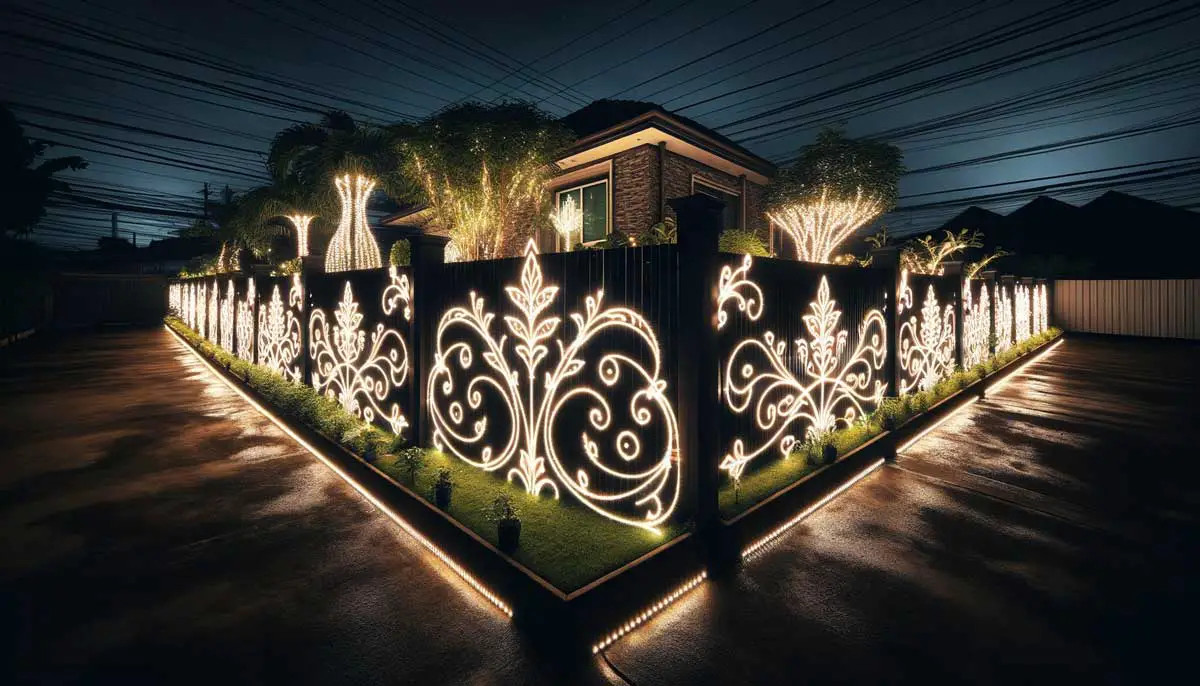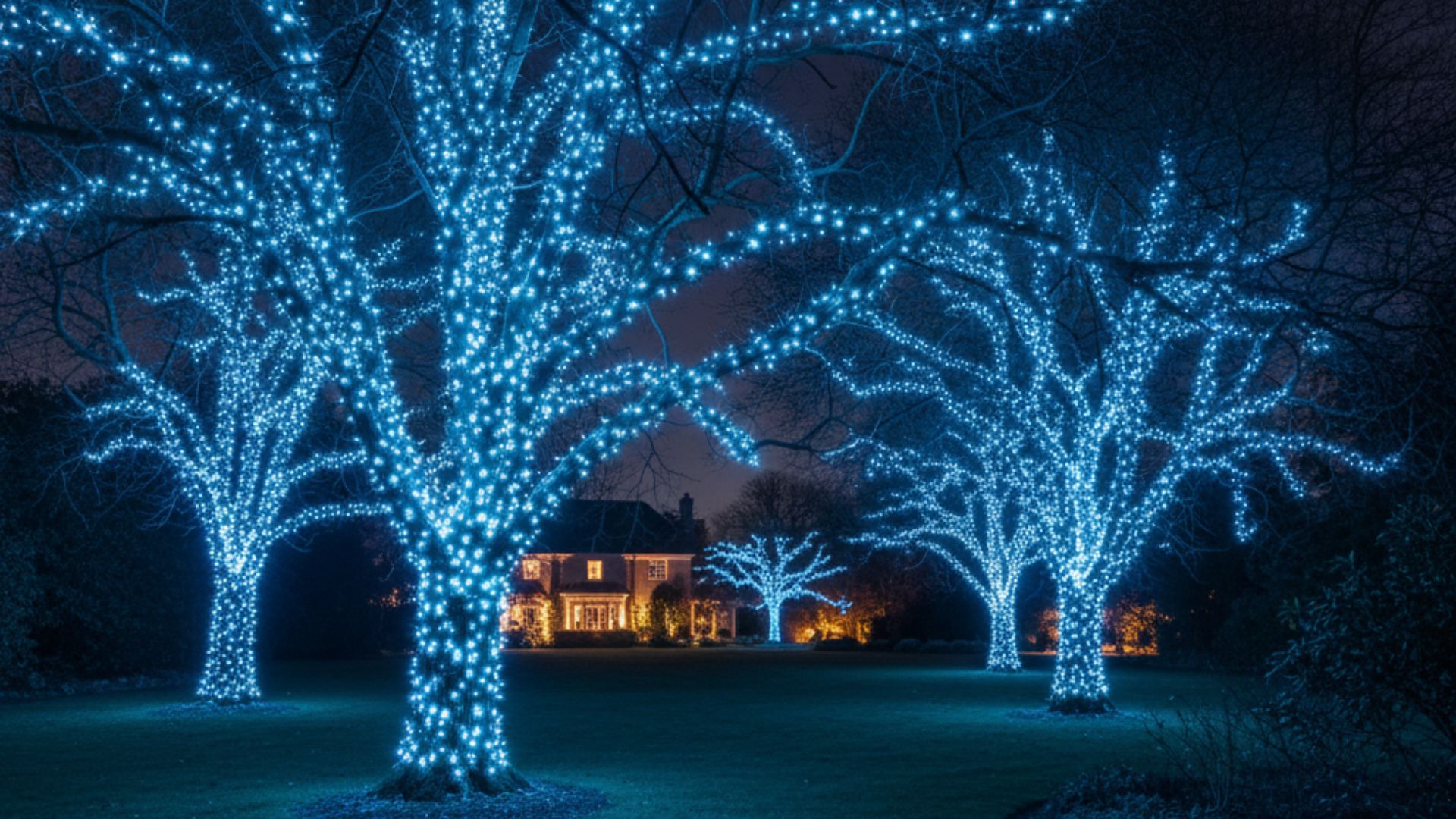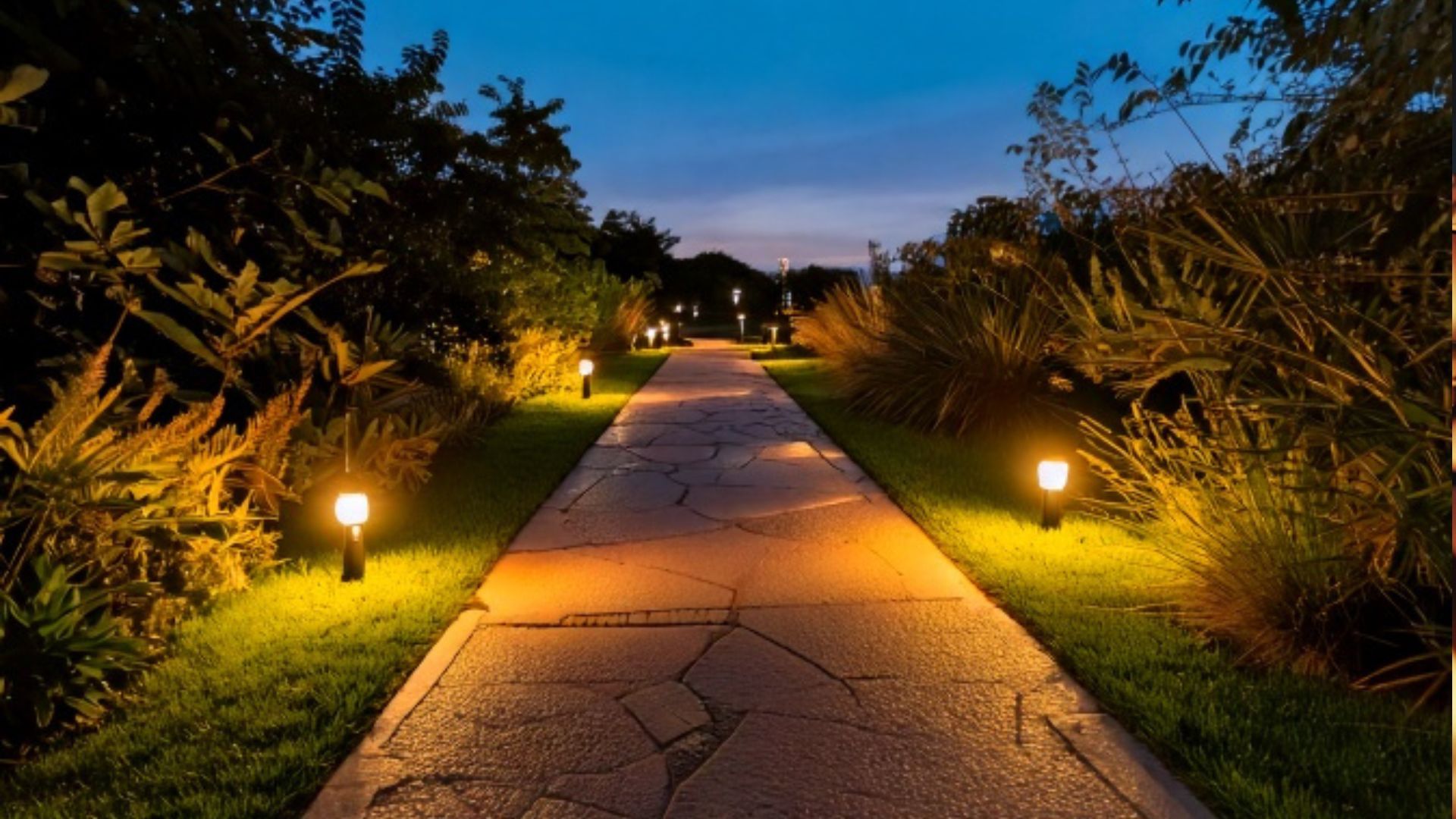
When it comes to lighting up your outdoor space, there are plenty of options to choose from. You’ve got your traditional floodlights, decorative string lights, and everything in between. But if you’re looking for something that combines efficiency, ease, and a softer glow, low-voltage outdoor lighting might just be the perfect fit.
Low-voltage lighting is a popular choice for many homeowners because it uses less energy while still providing plenty of illumination. It’s great for adding accents to your garden or highlighting certain features in your yard, but it’s not a one-size-fits-all solution. While it’s generally easier to install than its high-voltage counterparts, there are a few things to keep in mind—like picking the right transformer and making sure you’ve got the right amount of light coverage.
Today, in this article, we’ll walk through the benefits and drawbacks of low-voltage outdoor lighting. By the end, you’ll know if it’s the right lighting choice for your outdoor setup.
What Is Low-Voltage Outdoor Lighting?

Low-voltage outdoor lighting has become a go-to choice for homeowners who want to illuminate their spaces without jacking up their energy costs. Instead of using the standard 120 volts found in traditional systems, low-voltage lighting operates on a safer, more energy-efficient 12V system. This makes it not only cost-effective but also a safer option for residential areas.
The way it works is simple: a transformer steps down the 120V power from your home to the 12V needed for the lights. This type of system is great for various outdoor uses, from lighting up your garden to adding subtle accents around your patio or deck. It’s also perfect for pathways, creating a welcoming atmosphere as you guide your guests through the yard.
Here’s a breakdown of some common ways low-voltage outdoor lighting is used:
- Landscape Lighting: Highlighting trees, shrubs, and other outdoor features.
- Pathway Lighting: Lighting walkways to create a safe, inviting path.
- Deck Lighting: Adding cozy, ambient light to outdoor spaces.
- Accent Lighting: Drawing attention to specific features or areas with subtle illumination.
The Pros of Low-Voltage Outdoor Lighting

Energy Efficiency and Cost Savings
Low-voltage outdoor lighting is a champion when it comes to energy efficiency, offering substantial savings over traditional 120V lighting systems. It consumes much less power, which directly leads to reduced electricity bills, making it a more affordable option in the long run. When paired with energy-efficient LED bulbs, the system maximizes these savings while still providing ample light to brighten up your outdoor spaces.
By using less power, low-voltage lighting doesn’t just help reduce your monthly bills; it also extends the lifespan of the bulbs. This means fewer replacements and less waste. Additionally, the ability to control energy usage with timers and dimmers adds an extra layer of flexibility, allowing homeowners to only use the lighting when needed, further lowering consumption.
Safety and Ease of Installation
Safety is a top priority when considering outdoor lighting, and low-voltage systems have a clear advantage here. Operating at 12 volts rather than 120 volts, they significantly reduce the risk of electrical shocks and fire hazards. This makes them safer not just for adults, but also for kids and pets who may be spending time outside.
Installing a low-voltage system is often much simpler than its high-voltage counterparts. You can set up many of these systems yourself without the need for a professional electrician. The reduced trenching and conduit requirements make installation more straightforward, while their weather-resistant components ensure that they can handle the outdoor elements with minimal upkeep.
Versatility and Aesthetic Appeal
Low-voltage outdoor lighting offers impressive versatility in terms of both style and functionality. Whether you’re looking to create ambient lighting for a garden or illuminate a pathway with a soft, welcoming glow, these systems can cater to a wide range of aesthetic needs. You can experiment with uplighting, downlighting, or accent lighting, and each style brings its own distinct atmosphere to your space.
This adaptability makes low-voltage lighting ideal for any type of outdoor area. It enhances your home’s curb appeal while also working wonders on highlighting architectural features or drawing attention to plants and trees. Plus, the range of fixture styles available ensures that there’s something to complement any home design, whether modern, traditional, or something in between.
Environmentally Friendly
Low-voltage outdoor lighting is a more sustainable option compared to traditional systems, consuming far less electricity. By using less power, it helps lower your household’s overall carbon footprint. Many low-voltage systems are also compatible with solar-powered fixtures, further supporting green living and energy conservation.
These systems don’t just benefit the environment in terms of energy consumption. They’re also designed to emit less heat, making them more energy-efficient and safer for surrounding vegetation. Additionally, the gentle, soft light they produce reduces light pollution, which is not only better for the natural world but also helps protect local wildlife from the disruptive effects of harsh, bright lighting.
The Cons of Low-Voltage Outdoor Lighting

Requires a Transformer
One key difference between low-voltage and standard outdoor lighting is the need for a transformer. Since typical household power runs at 120 volts, a transformer is required to step it down to 12 volts for safe and efficient operation. This extra component makes the system safer, but it does add another layer to the setup.
Sizing the transformer correctly can be tricky. If it’s too small, your lights may not function properly, and if it’s too large, you could waste energy. Overloading it can also cause flickering, dimming, or even complete failure—issues you definitely don’t want when trying to create a well-lit outdoor space.
Limited Brightness and Coverage
Low-voltage lighting is perfect for soft, ambient illumination, but it’s not always the best choice when you need powerful, widespread light. Because it operates at a lower wattage, the brightness is generally weaker than that of high-voltage systems. This can be a challenge for large yards, driveways, or security lighting where strong illumination is needed.
To make up for this, you may need to install more fixtures, which can increase costs and require more wiring. Thoughtful placement and using a mix of lighting styles can help, but if you’re looking for floodlight-level brightness, low-voltage may not be the best fit.
Voltage Drop Can Be a Problem
One of the most common technical issues with low-voltage outdoor lighting is voltage drop. As electricity travels along a wire, some of the power is lost, leading to dimmer lights at the far end of the circuit. The longer the wire and the more fixtures attached, the more noticeable this becomes.
To keep lighting consistent, you’ll need to carefully plan your wiring layout. Choosing the right wire gauge, spacing fixtures strategically, and using multiple circuits when needed can help prevent uneven illumination. Otherwise, you might end up with some lights shining bright while others look disappointingly dim.
Maintenance and Weather Challenges
Outdoor lighting systems have to stand up to the elements, and low-voltage fixtures are no exception. Rain, snow, humidity, and temperature changes can wear down connectors, cause corrosion, and lead to dirt buildup on lenses. Over time, this can affect performance and require regular maintenance to keep everything running smoothly.
Not all low-voltage fixtures are designed to withstand extreme weather. If you live in an area with harsh conditions, investing in durable, weather-rated fixtures is a must. Routine cleaning and occasional wiring checks can also go a long way in keeping your system looking and working its best.
When to Choose Low-Voltage Outdoor Lighting?

Low-voltage outdoor lighting isn’t just a functional choice—it’s a stylish and energy-efficient way to enhance your outdoor space. It’s perfect for homeowners who want to create a warm, inviting atmosphere without overwhelming their yard with harsh, overly bright lights. If you’re looking for a setup that highlights your landscape’s best features while keeping energy costs low, this is a great option.
However, it’s not the right fit for every situation. While it excels at adding ambiance and accent lighting, it may not provide the level of brightness needed for security or large open spaces. Before making a decision, think about your specific lighting needs and how you want your outdoor area to feel.
Best Uses for Low-Voltage Lighting:
- Pathway and Walkway Lighting – Softly illuminates paths, ensuring safety without creating glare.
- Landscape and Garden Accents – Showcases trees, plants, and decorative elements with a subtle glow.
- Patio and Deck Lighting – Sets the mood for cozy outdoor gatherings and relaxed evenings.
When to Look at Other Options:
- Security and Safety Lighting – If you need bright floodlights for visibility and protection, high-voltage fixtures or motion-activated lights might be a better fit.
- Wide-Area Coverage – For large yards, driveways, or parking areas, high-voltage lighting provides stronger, more uniform illumination.
Finding the Right Balance with Low-Voltage Outdoor Lighting
Low-voltage outdoor lighting isn’t just about illuminating your yard—it’s about creating the right ambiance while balancing function, efficiency, and aesthetics. There’s no one-size-fits-all solution, but understanding the benefits and limitations helps you make the best choice for your home. Whether you’re highlighting your landscape or adding a touch of warmth to your outdoor space, the right setup can make all the difference.
At its core, choosing low-voltage outdoor lighting comes down to what works best for your needs. It’s a practical, versatile option that enhances your space without excessive energy use or complicated installation. With the right approach, you can enjoy a beautifully lit outdoor area that feels both inviting and thoughtfully designed.