When it comes to outdoor lighting, figuring out the best option for your pathway can feel a little tricky. With so many choices available, solar stake lights and wired fixtures tend to be the front-runners for most homeowners. Both have their unique advantages and drawbacks, which can make deciding between them a bit confusing.
Solar stake lights are the go-to for anyone who wants a quick and hassle-free setup — no electrician needed, just stick them in the ground and you’re done. Wired fixtures, however, offer a level of dependability and style that can really elevate your pathway’s look, but they do require a bit more effort to install. This back-and-forth between ease and performance is where most people get stuck, trying to figure out what suits their needs best.
Today, in this article, we’ll walk through the key differences so you can choose the perfect lighting for your walkway. By the time we’re done, you’ll have a clear idea of which option will light your path the best.
Design and Aesthetic Appeal

Solar Stake Lights
- Variety in Style: These lights come in all shapes and sizes, from quaint little lanterns to sleek, modern designs. This variety lets you pick something that fits your garden’s personality, whether you’re going for rustic charm or minimalist flair.
- Freedom to Move: Because they don’t need wiring, you can rearrange them whenever the mood strikes. This makes solar lights perfect for those who like to change things up with the seasons or try new layouts without any hassle.
- Temporary Feel: Solar stakes often feel like friendly visitors rather than permanent fixtures. If you’re after a polished, built-in look, these might come off as a bit casual or less integrated into your overall design.
Wired Fixtures
- Extensive Design Options: From sleek contemporary posts to ornate vintage-style lanterns, wired fixtures offer a huge range of styles. This makes it easy to find something that complements your home’s architecture and gives your pathway a cohesive, intentional look.
- Fixed, Balanced Placement: Because they require installation, wired fixtures are usually set in carefully planned spots. This results in an even, symmetrical layout that feels organized and purposeful.
- Smart Features Ready: Many wired lights can connect to timers, motion sensors, or smart home systems, blending convenience with aesthetics. This lets you automate your outdoor lighting while keeping your design sleek and seamless.
Brightness and Lighting Performance

Solar Stake Lights
- Modest Brightness Levels: Solar lights usually give off a soft, low to medium light that’s great for outlining your pathway but won’t flood your yard with light. If you’re after bright, task-focused lighting, these might feel a little underpowered.
- Sunlight-Dependent Performance: Because they charge using sunlight, their brightness fluctuates with the weather and placement. Cloudy days, shade from trees, or shorter winter days can mean dimmer lights at night, which isn’t ideal if consistent lighting is your goal.
- Limited Runtime: The batteries in solar lights can typically keep them shining for about 4 to 8 hours after sunset before they need another recharge. This works well for casual evening use but might leave you in the dark if you’re out late.
- Best for Atmosphere, Not Security: Their softer glow excels at creating a warm, inviting vibe but isn’t the best choice if you want bright lights to deter unwanted guests or highlight every step clearly.
Wired Fixtures
- Powerful and Steady Illumination: Wired lights deliver a strong, even beam that stays bright throughout the night, giving you clear visibility and peace of mind. This makes them ideal for safety as well as style.
- Customizable Brightness: Many wired fixtures offer options like dimmers or interchangeable bulbs, so you can adjust the lighting level to suit your mood or needs. Whether it’s a soft, romantic glow or bright, practical light, wired setups have you covered.
- Unfazed by Weather: Since they’re not dependent on sunlight, wired fixtures won’t dim on cloudy days or winter months. You can count on them to shine bright whenever you need them.
- Great for Larger or Complex Areas: If you have a long pathway or want to illuminate adjacent garden features, wired fixtures handle the job without losing intensity or consistency.
Installation and Maintenance

Solar Stake Lights
- Quick, No-Fuss Setup: Most solar lights are ready to go right out of the box or require just a quick snap of parts before planting them into the ground. There’s no drilling, wiring, or measuring voltage—just pick your spot and press them in.
- Self-Sufficient Power Source: Since they soak up sunlight during the day, there’s no need to run cords or worry about where your nearest outlet is. That makes them ideal for lighting up remote spots like garden paths, back fences, or far corners of the yard.
- Low-Maintenance Lifestyle: Once installed, solar lights basically mind their own business. You might need to brush off dirt or leaves from the solar panel now and then, but they don’t ask for much.
- Battery Replacement Eventually: Over time, the built-in rechargeable batteries will wear out, usually after a year or two. Swapping them out is simple, but it’s something to keep in mind if you want to keep the glow going strong.
Wired Fixtures
- Installation May Need a Pro: Unlike solar lights, wired systems often need a bit of electrical know-how—or just someone with the right tools and permits. Whether you’re burying cables or wiring into an outdoor transformer, hiring an electrician is often the safest bet.
- Needs a Steady Power Connection: These lights run on your home’s electricity, so you’ll need to plan a layout that connects everything properly. It’s a bit more planning, but the tradeoff is a stronger, more consistent light output.
- Built for the Long Term: Once installed, wired fixtures are solid and dependable, especially if they’re rated for outdoor use. They’re made to handle rough weather without needing much attention from you.
- Occasional Tune-Ups: Every now and then, you’ll want to check for burnt-out bulbs or worn wires, especially after a rough season. That said, these lights are pretty self-sufficient once they’re in place.
Cost and Energy Efficiency

Solar Stake Lights
- Budget-Friendly from Day One: You can usually buy a set of solar stake lights without needing to rearrange your budget. They’re perfect if you’re looking for an easy, affordable way to highlight a short pathway or small garden.
- No Extra Charges on Your Power Bill: Because they don’t pull electricity from your home, solar lights don’t affect your monthly utility costs. That means more glow for less dough, especially if you have multiple lights working overtime.
- Rechargeable Battery Included: These little guys soak up sunlight during the day and store it in a built-in battery. Over time, the battery might need replacing, but it’s usually a cheap and simple fix.
- Almost No Running Costs: Maintenance is minimal—just keep the solar panels clean and check the batteries once in a while. For homeowners who like low-maintenance solutions, this is a win.
Wired Fixtures
- Installation Costs Can Add Up: You might need a pro to help with digging trenches, setting up transformers, or hiding wires neatly. That means your total cost upfront could be significantly more than just grabbing lights off the shelf.
- Tied to Your Electrical Bill: Unlike solar, these fixtures do use electricity from your home, so your bill may go up depending on how long and how often you use them. However, using LED bulbs can help keep things efficient.
- Built for the Long Haul: While they may cost more, wired lights are often made with long-lasting parts that don’t need to be replaced as often. Over time, that durability can balance out the bigger starting price.
- Smart Features Can Cut Waste: Many wired systems can be customized with timers, motion sensors, or dimmers. These features help you use power only when needed, which saves money without sacrificing brightness.
Reliability and Longevity
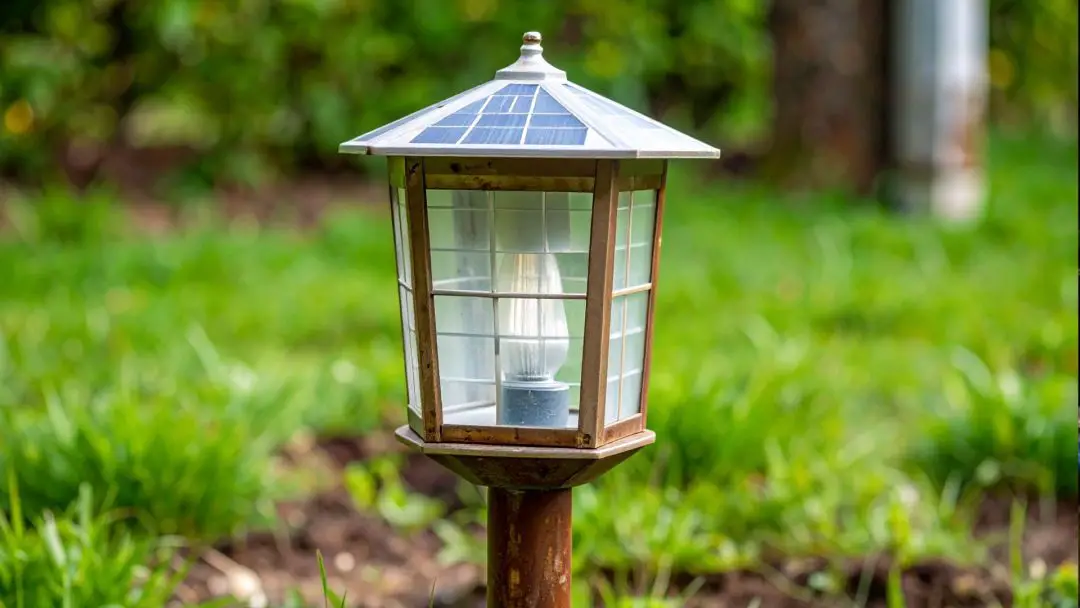
Solar Stake Lights
- Weather Sensitivity: Solar stake lights thrive on sunny days, soaking up rays to power your pathway at night. But long stretches of cloud cover or shaded areas can leave them dim or completely out of juice.
- Battery Lifespan: Most models use rechargeable batteries that gradually lose capacity, often within a couple of years. It’s not a huge issue, though—you can usually replace the batteries yourself with minimal effort.
- Material Durability: Budget-friendly versions are often made with lightweight plastic, which may crack or discolor over time. More durable picks come with metal housings and sealed components that hold up better outdoors.
- Great for Light-Duty Use: Solar lights work well for soft accent lighting or temporary setups, like during the holidays. But for long-term, daily reliability, they may need a bit more attention over time.
Wired Fixtures
- Consistent Performance: Because they’re powered by your home’s electricity, wired lights don’t rely on the sun to stay bright. That means they keep your pathway lit whether it’s sunny, stormy, or snowing.
- Built to Last: Many wired options are made from durable metals and tempered glass, with weatherproofing that holds up even in tough climates. They’re designed to stay strong through seasons of rain, wind, and temperature swings.
- Long Lifespan: Wired systems, especially those with LED bulbs, often last for many years—sometimes over a decade. If you’re aiming for reliable, long-term lighting, they’re a solid investment.
Which One is Right for You?

Solar Stake Lights
- Great for Renters or Flexible Spaces: Solar lights are a dream for renters or those who like to switch things up from time to time. Since there’s no wiring involved, you can set them up and move them whenever you like—no tools or headaches required.
- Budget-Friendly for the Win: These lights are typically easy on the wallet, both upfront and over time. There’s no electricity bill to worry about, and plenty of affordable models to choose from—just be sure to pick quality over rock-bottom prices if you want them to last.
- Best for Sunny Spots and Mild Weather: If your pathway gets a good amount of sun, solar lights will charge up nicely and glow through the night. But in shady areas or cloudy seasons, they might not shine as bright—or as long—as you’d like.
- Low Effort, Decent Lifespan: A quick wipe-down on the solar panels and the occasional battery replacement is about all the upkeep they need. They won’t last forever, but they’ll stick with you for several seasons without much hassle.
Wired Fixtures
- Perfect for Long-Term Homeowners: Wired lights are a smart investment if you’re settled into your home and looking to build something that lasts. Once installed, they become part of your landscape—solid, seamless, and worry-free.
- Ideal for Bigger or Busier Pathways: Have a long driveway or a heavily used walkway? Wired fixtures shine brighter and farther, offering clear visibility and safety across larger spaces where solar lights might fall short.
- Dependable in All Kinds of Weather: No sun? No problem. Wired lights don’t rely on daylight, which means they’ll keep working no matter the weather—from overcast days to snowy nights and everything in between.
- Higher Initial Cost, Lower Ongoing Effort: Yes, they’ll cost more to install—and you might need a professional to do it—but wired lights tend to last longer with fewer replacements needed over time. That means less stress and more value in the long run.
Choosing Your Pathway Lights Wisely
The small choices we make around the home often have the biggest impact—and pathway lighting is no exception. Whether you’re adding charm to your garden path or just trying not to trip on your way to the door, the way you light your walkways says a lot about how you live. Solar stake lights and wired fixtures may seem like simple tools, but they help shape the feel and function of your entire outdoor space.
Choosing between solar stake lights and wired fixtures isn’t just about features or cost—it’s about what fits naturally into your lifestyle. Do you want low-maintenance ease or high-powered reliability? Once you know what matters most to you, the decision tends to shine all on its own.