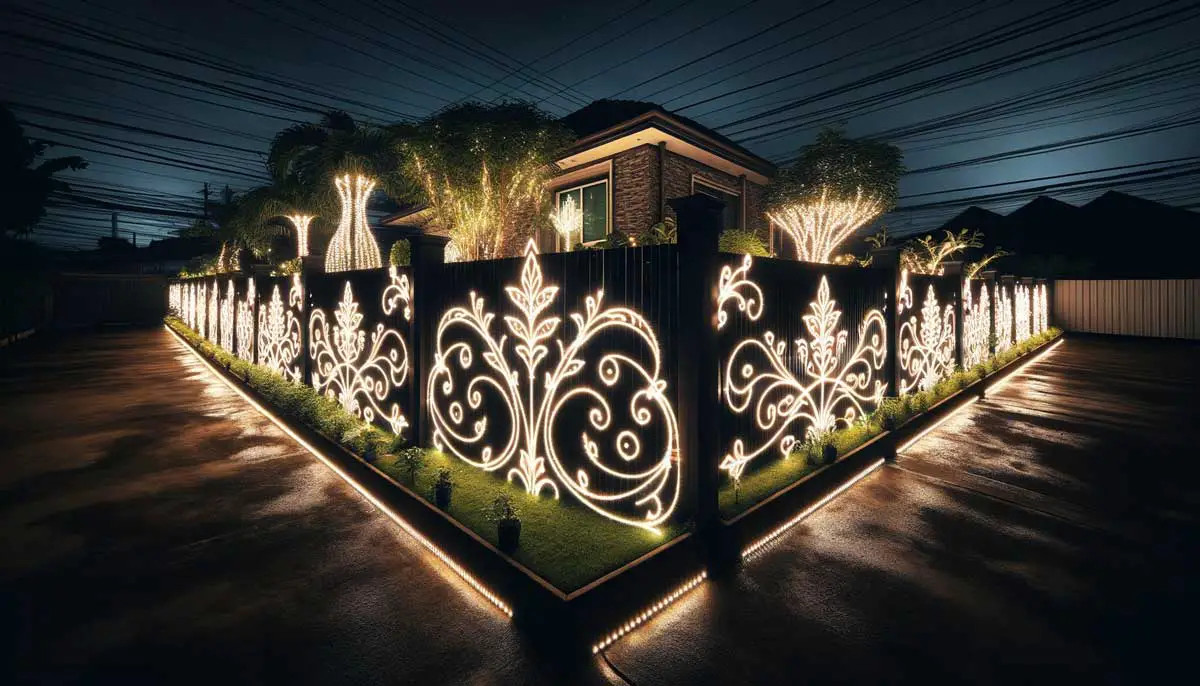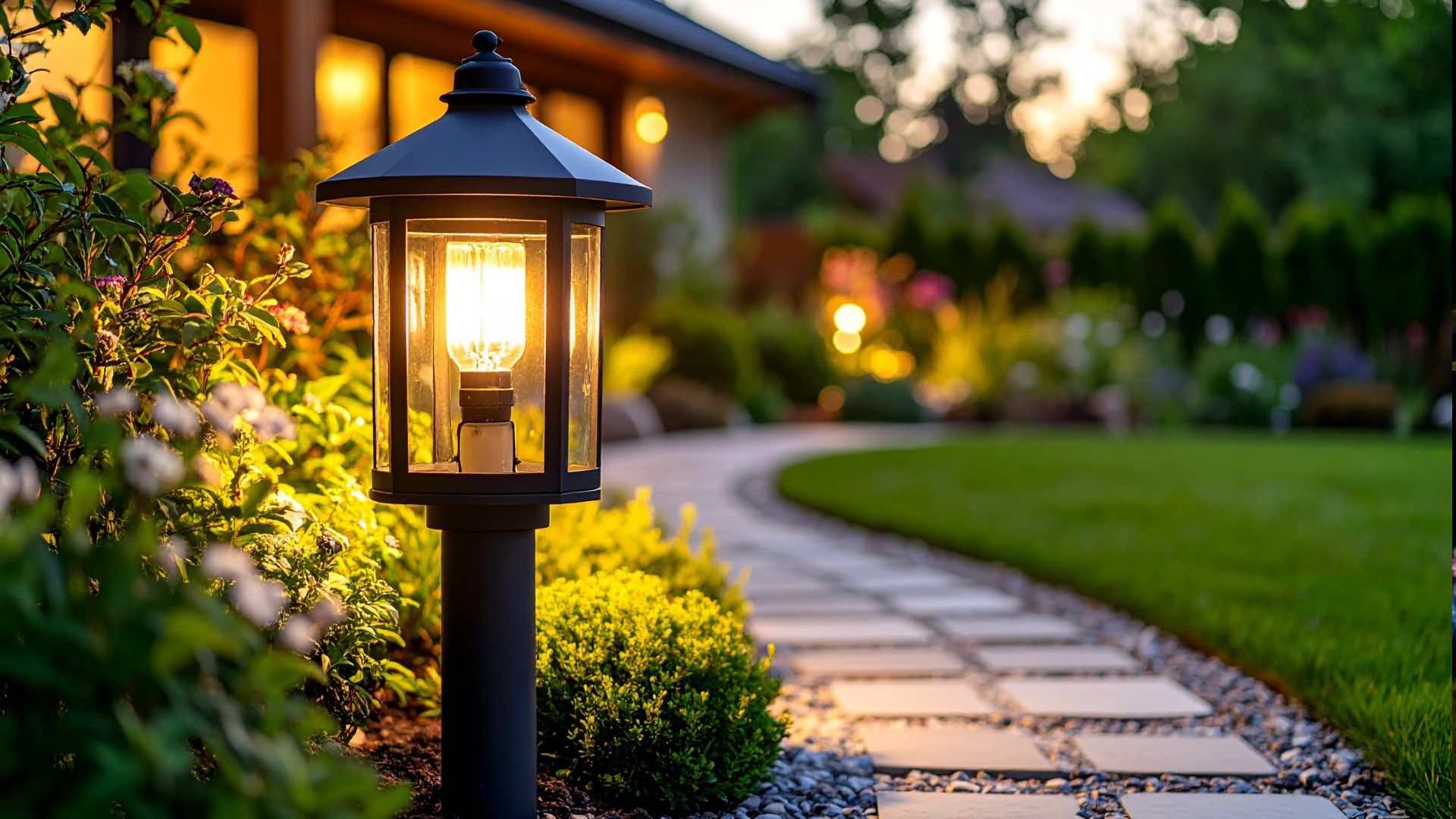
Keeping your home well-lit isn’t just about looks; it’s also about making sure everything stays safe and runs smoothly. Outdoor lights do a lot more than just brighten up your space—they help you find your way after dark and add an extra layer of security.
Of course, they won’t last forever. Swapping them out at the right time can save you from unexpected outages and the hassle of fumbling around in the dark when you least expect it.
In this guide, we’ll walk through everything you need to know to keep your outdoor lighting in top shape. From understanding how long different bulbs last to spotting the signs that it’s time for a change, you’ll be all set to enjoy a well-lit outdoor space without the guesswork.
Factors That Affect the Lifespan of Outdoor Light Bulbs

When it comes to outdoor lighting, not all bulbs are built to last the same way. Some hold up better than others, and a lot depends on a few important factors that can either stretch their lifespan or cut it short.
Everything from the type of bulb you pick to the conditions it faces outdoors can make a big difference in how long it lasts. Here are a few key things that can affect the lifespan of your outdoor light bulbs:
- Bulb Type and Technology: Not all bulbs are created equal. LED bulbs can keep shining for years, while traditional incandescent ones tend to burn out much sooner. Choosing energy-efficient options can help you avoid frequent replacements and keep your outdoor space well-lit without much fuss.
- Weather Conditions: Outdoor bulbs don’t have it easy—they deal with everything from scorching sun to freezing snowstorms. Extreme weather, humidity, and salty air (if you’re near the coast) can speed up wear and tear, making bulbs dim or fail sooner than you’d expect.
- Usage and Run Time: The more your lights stay on, the faster they’ll wear out. Lights that run all night, every night, naturally won’t last as long as those on timers or motion sensors that only turn on when needed.
- Fixture Quality and Protection: A sturdy fixture can go a long way in protecting your bulbs. Well-sealed fixtures shield against rain, dust, and pesky bugs that can sneak in and shorten the lifespan of your lights.
- Power Surges and Voltage Changes: Outdoor lighting isn’t immune to power fluctuations. Sudden surges or inconsistent voltage can put unnecessary strain on your bulbs, causing them to burn out faster than they should. Using surge protectors or low-voltage systems can help keep things steady.
- Maintenance and Care: A little upkeep can make a big difference. Regularly cleaning your outdoor fixtures and keeping an eye out for dust and debris buildup can prevent overheating and help your bulbs last longer.
Signs It’s Time to Replace Your Outdoor Light Bulbs

Outdoor lights don’t always quit without warning—sometimes, they drop a few hints before finally giving up. Catching these signs early can help you avoid unexpected darkness and keep your outdoor spaces shining bright.
If your lights aren’t quite doing their job anymore, it might be time for a switch. Here are some telltale signs that your outdoor light bulbs are ready for a replacement:
- Dimming or Uneven Lighting: If your lights seem dimmer than usual or parts of the area aren’t as bright as they once were, it’s a good sign the bulbs are wearing out. Over time, bulbs lose their brightness gradually, and before you know it, your once-vibrant yard might start looking a little dull.
- Persistent Flickering: A light that flickers every now and then might not seem like a big deal, but if it’s happening often, it’s probably time for a new bulb. Sometimes, flickering can point to a loose connection, but if tightening things up doesn’t fix it, a replacement is your best bet.
- Unusual Color Changes: Noticed your warm white lights looking oddly yellow or bluish? That’s usually a sign of an aging bulb, as its internal components start to break down over time, affecting the quality of the light it produces.
- Slow to Brighten Up: If your lights take longer than usual to reach full brightness, they might be past their prime. This is especially true for CFL bulbs, which tend to get sluggish as they age.
- Strange Buzzing Sounds: A quiet buzz or hum coming from your fixture can mean the bulb is struggling to work properly. It’s a clear indicator that the bulb’s internal parts are wearing out and a replacement is in order.
- Higher Energy Bills: Older bulbs often become less efficient, using more energy to produce the same amount of light. If you’ve noticed your electricity bill creeping up without adding more lights, it could be time to upgrade to a more efficient option.
Recommended Replacement Timelines for Different Bulb Types

Not all outdoor light bulbs last the same amount of time, and knowing when to swap them out can help you avoid those annoying moments when your yard suddenly goes dark. Some bulbs can keep shining for years, while others need more frequent attention to keep your outdoor spaces looking their best.
Understanding how long different bulbs typically last can help you plan ahead and avoid last-minute runs to the store. Here are some general replacement timelines to keep in mind for various outdoor bulb types:
- LED Bulbs: LEDs are the long-distance runners of outdoor lighting. With a lifespan of around 25,000 to 50,000 hours, you might only need to replace them every 5 to 10 years, depending on how often you use them. They’re energy-efficient, durable, and ideal for lighting areas that need steady illumination with minimal fuss.
- Incandescent Bulbs: These bulbs have been around forever, but they don’t stick around for long. Lasting between 750 to 2,000 hours, you’ll likely find yourself replacing them every 6 to 12 months if they’re used daily. They provide a warm glow but aren’t the best choice if you’re looking for a low-maintenance lighting solution.
- CFL (Compact Fluorescent Light) Bulbs: CFLs offer a nice balance between longevity and efficiency, typically lasting between 8,000 to 10,000 hours. That means you can expect to replace them every 3 to 5 years, making them a good choice for areas that don’t need constant lighting. Just keep in mind that they don’t always handle extreme weather well, which can shorten their lifespan.
- Halogen Bulbs: Halogens shine bright but don’t last as long as other options. With a lifespan of around 2,000 to 4,000 hours, they’ll usually need replacing every 1 to 2 years. They’re a solid choice for bright, focused lighting, but they aren’t the most energy-efficient option out there.
- Solar-Powered Bulbs: Solar lights are a bit tricky because their lifespan depends on factors like sunlight exposure and battery life. While the LED bulbs inside can last several years, the rechargeable batteries typically need replacing every 1 to 2 years. Regular cleaning and making sure they get enough sun can help extend their life.
Proactive Maintenance Tips to Extend Bulb Life

Taking care of your outdoor light bulbs isn’t just about swapping them out when they go dark—it’s about helping them last longer in the first place. A little routine maintenance can make a big difference in keeping your lights shining bright and working efficiently.
With a few simple habits, you can avoid constant replacements and keep your outdoor lighting in top shape. Here are some easy ways to extend the lifespan of your outdoor bulbs:
- Keep Fixtures Clean: Over time, dust, dirt, and bugs can collect inside your light fixtures, blocking brightness and causing bulbs to overheat. A quick clean every few months can keep things looking fresh and working properly.
- Inspect for Loose Connections: If your lights are flickering, it’s not always the bulb’s fault—it could be a loose connection. Checking and tightening the fixture’s wiring or screws can prevent unnecessary strain on the bulb and keep it running smoothly.
- Use the Right Bulb Wattage: Using bulbs with wattages higher than what your fixture allows can lead to overheating and shorten their lifespan. Always double-check the recommended wattage to avoid burning through bulbs too quickly.
- Protect Against Power Surges: Outdoor lights are vulnerable to sudden voltage changes, which can wear them out faster. Installing surge protectors helps regulate the power flow and keeps your bulbs safe from unexpected spikes.
- Seal Out Moisture: Water damage is one of the biggest threats to outdoor lighting, especially in humid or rainy climates. Make sure your fixtures are properly sealed to prevent moisture from creeping in and causing damage.
- Set Timers or Motion Sensors: Running lights all night when no one’s around can wear them out faster than necessary. Timers or motion sensors can help reduce usage and prolong bulb life by only turning on when needed.
- Consider Upgrading to LEDs: If you’re still using traditional bulbs, switching to LEDs can be a game-changer. They last much longer, use less energy, and require fewer replacements—making them a smart investment for the long haul.
Keeping Your Outdoor Lights in Top Shape
Taking care of your outdoor lighting doesn’t have to be a hassle. A little regular attention can go a long way in keeping your bulbs shining bright and doing their job. By staying on top of maintenance and knowing when it’s time for a change, you can avoid unexpected outages and keep your space looking its best.
Replacing bulbs at the right time and following a few simple upkeep habits can make all the difference. With a bit of effort here and there, you’ll enjoy a beautifully lit space without the constant worry of burned-out bulbs.