Good lighting can make all the difference when it comes to both security and style. It’s not just about brightening up your space; outdoor lights help you move around safely while keeping unexpected guests—both the welcome and not-so-welcome kind—in check.
Of course, having lights is one thing, but putting them in the right spots is what really counts. The right placement ensures they work when you need them, without wasting energy or startling every passing squirrel.
Today, in this article, we’re diving into the smartest spots to place motion-sensor lights so you can get the most out of them. With a little strategy and the right positioning, you’ll have a well-lit outdoor space that’s both practical and welcoming.
Why Placement Matters
Before we talk about where to install motion-sensor lights, let’s take a minute to understand why their placement is so important. Putting them in the right spots can mean the difference between a well-lit, secure home and one that feels like it’s always playing catch-up with the dark.
Here’s why it’s worth putting some thought into where your motion-sensor outdoor lights go:
- Better Coverage Without Overdoing It: Strategic placement means you’ll have light where it’s needed without turning your yard into a football field. With a little planning, you can cover entryways and pathways efficiently, leaving no dark spots behind.
- Fewer False Alarms: Nobody wants a light that flicks on every time a squirrel scurries by or a leaf drifts through the air. By placing your lights smartly, you can focus detection on real movement—like people approaching your home—instead of harmless background noise.
- A Perfect Blend of Security and Practicality: Good lighting placement helps deter intruders while also making sure you can see where you’re going. It’s all about finding that sweet spot where safety meets convenience.
- Energy Efficiency That Pays Off: When your lights are placed right, they’ll only turn on when they’re actually needed. This helps you save energy, prolongs the life of your bulbs, and keeps your electricity bill in check.
- A Boost in Curb Appeal: Motion-sensor lights aren’t just functional—they can also highlight the best features of your home. Thoughtful placement can create a warm and inviting atmosphere without going overboard.
Best Placements for Motion-Sensor Outdoor Lights
Getting the most out of your motion-sensor outdoor lights really comes down to where you install them. The right placement can make your outdoor spaces not only safer but also more practical and welcoming.
While it might seem like you can just pop a light anywhere and call it a day, thoughtful positioning makes a big difference. A poorly placed light can leave you in the dark when you need it most or, worse, turn on every time a stray leaf blows by.
Here are some of the best spots to install motion-sensor outdoor lights for the best results:
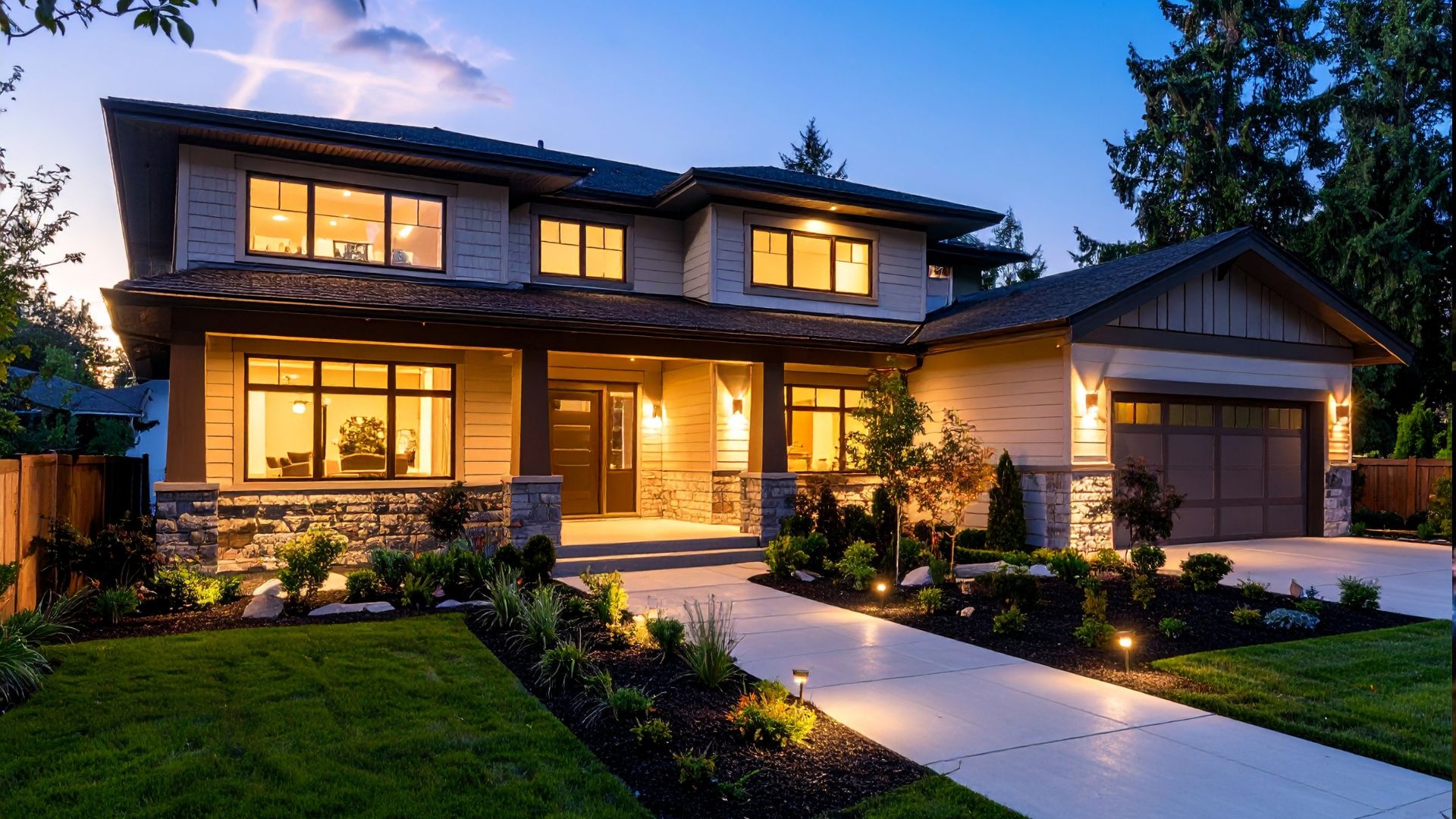
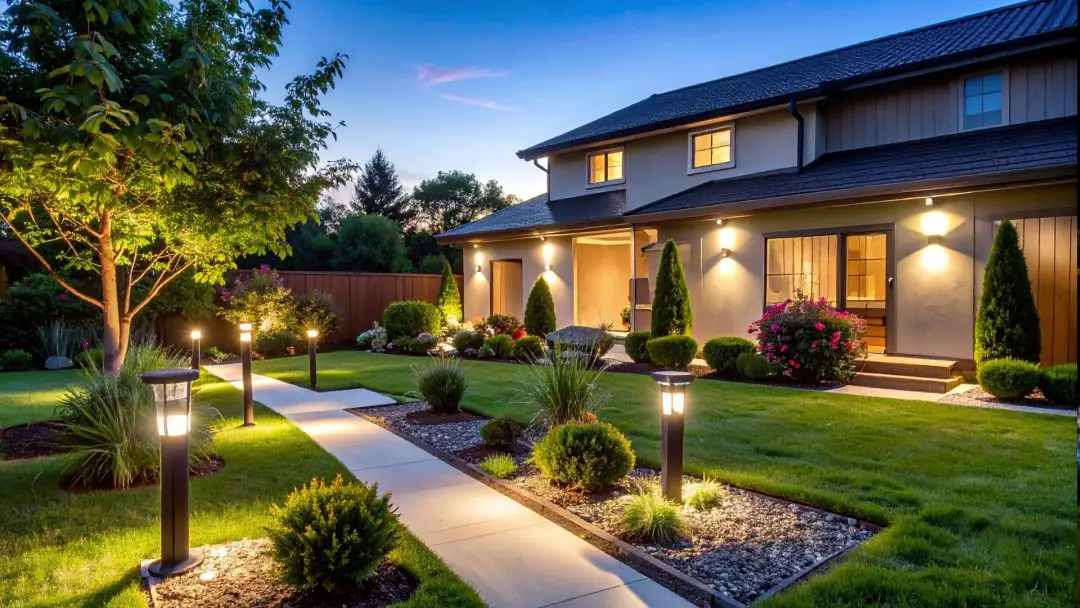
- Front Door and Porch: The front entrance is one of the busiest spots around your home, so having a motion-sensor light here is a must. It helps you find your keys faster, greet guests without stumbling, and even keep an eye on late-night visitors. Mount the light beside or above the door to cover the entrance without blinding anyone stepping up to your porch.
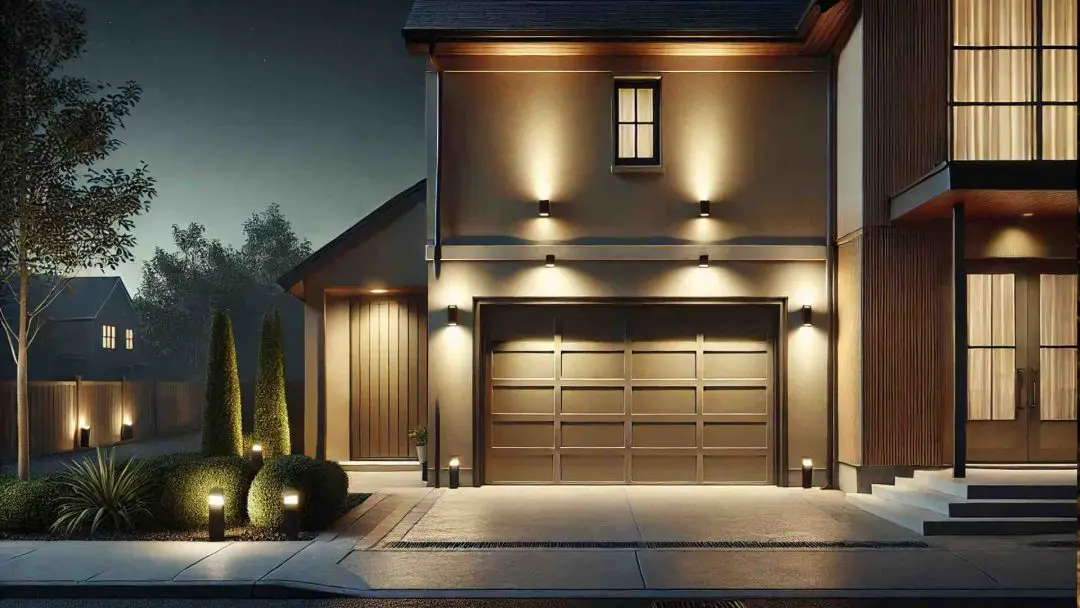
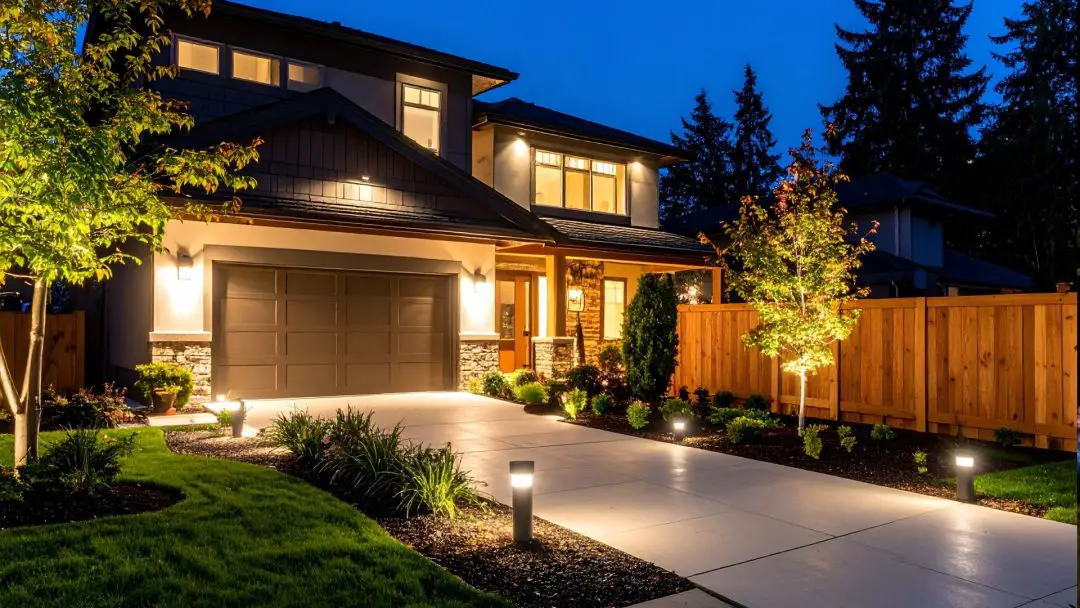
- Driveways and Garage Areas: A well-lit driveway makes pulling in at night much easier and adds an extra layer of security. Installing lights above the garage or along the driveway ensures visibility without creating glare that could make parking tricky. If you have a long driveway, spacing out a few lights can provide consistent coverage without overdoing it.
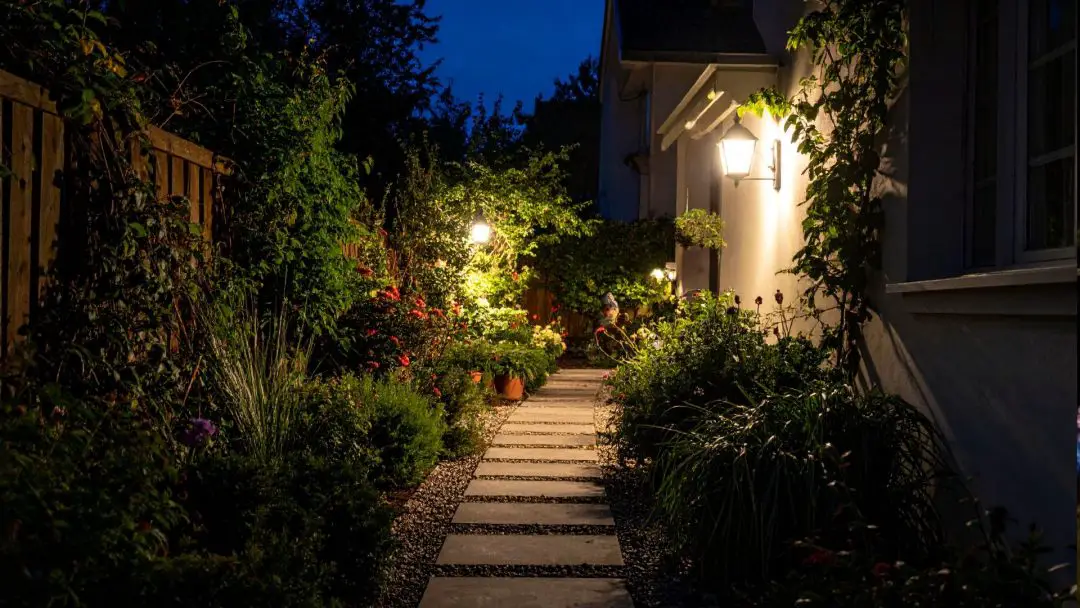
- Side Yards and Walkways: These areas can feel a little forgotten, but they’re often prime spots for sneaky shadows. Adding motion-sensor lights along side paths or near gates can help you move around safely while keeping unwanted visitors at bay. Just be sure to place them at the right height to avoid accidental damage and ensure they cover the entire walkway.
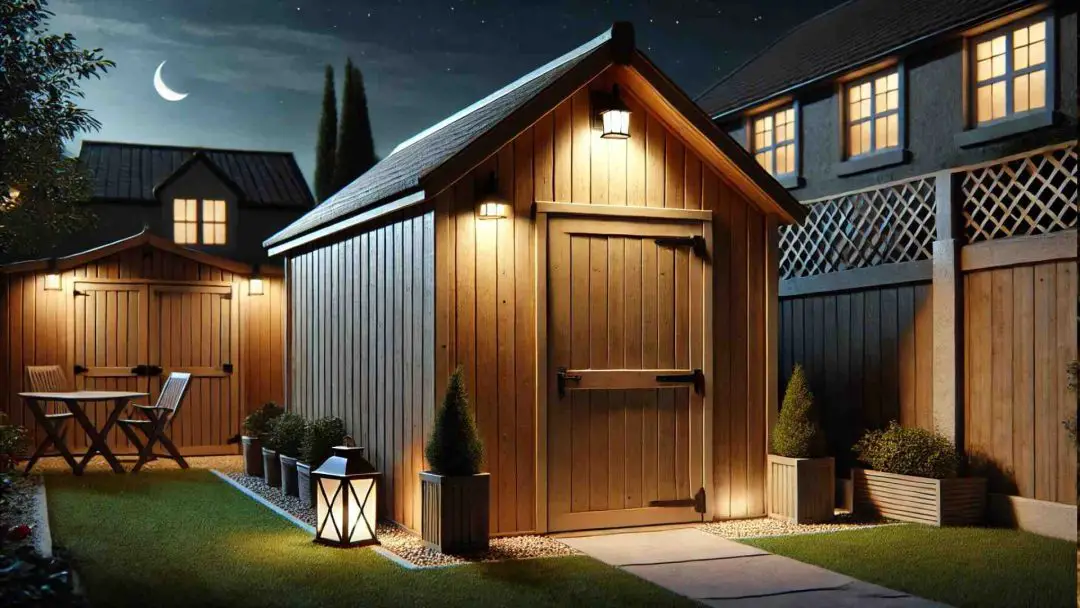
- Backyard and Patio Spaces: Whether you’re having a backyard barbecue or just letting the dog out for a quick break, lighting these areas can make things so much easier. Placing motion lights near seating areas, doors, or storage sheds provides the right balance of security and convenience. Aim for a setup that lights up the action without feeling like you’re in the spotlight.
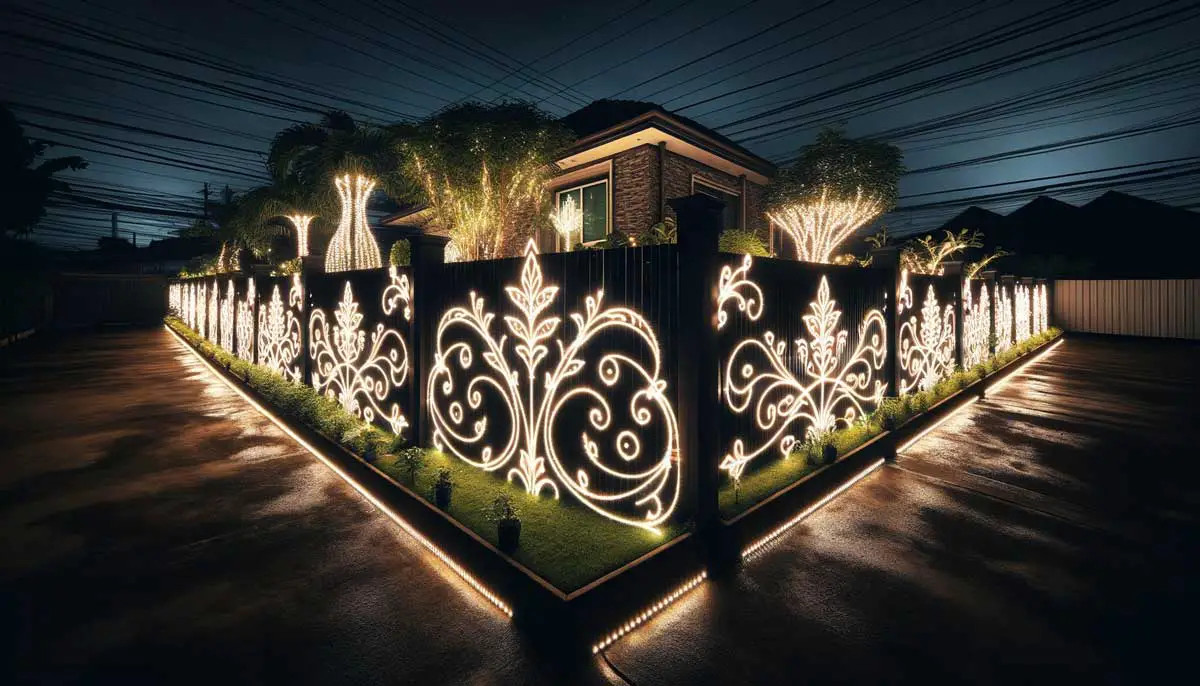
- Fences and Property Lines: Installing motion-sensor lights along fences or perimeter walls is a great way to keep things secure without lighting up the whole neighborhood. Placing them near gates or corners can help deter intruders while giving you better visibility around your property. Look for adjustable fixtures so you can fine-tune the range and avoid lighting up your neighbor’s yard.
- Stairs and Steps: Navigating stairs in the dark is never fun—one misstep and you’re in trouble. Motion-sensor lights placed along railings or at the base of steps can help you get around safely without fumbling.
Factors to Consider When Positioning Motion-Sensor Lights
Placing motion-sensor lights might seem like an easy task, but a little planning can make a big difference. Where you put them affects how well they work, how much energy they use, and how often they turn on when you actually need them.
Here are a few key things to consider when deciding where to place your motion-sensor outdoor lights:
- Detection Range and Angle: Every motion sensor has a specific range and angle it can detect movement within, and positioning it correctly is key to getting the most out of it. If the light is too high or angled poorly, it might miss important movement, leaving dark spots where they shouldn’t be. Checking the manufacturer’s recommendations and adjusting the sensor to cover entry points and pathways is a smart move.
- The Right Height: Height plays a huge role in how well your motion lights perform. Too high, and they might overlook smaller movements; too low, and they’ll catch every passing squirrel. A sweet spot of around 6-10 feet off the ground usually provides the best balance for effective detection.
- Avoiding Obstructions: Trees, fences, and even outdoor décor can get in the way of your sensor’s effectiveness. Placing your lights where they have a clear line of sight ensures they catch what matters, not every rustling leaf or passing shadow. Taking a quick walk around your yard before installation can help you spot any potential obstacles.
- Weather Exposure: Since these lights live outside, they’re going to deal with rain, wind, and everything in between. Installing them under eaves or in slightly sheltered spots can help protect them from the elements and extend their lifespan. Choosing weather-resistant models is also a smart investment for areas that face extreme conditions.
- Power Source Accessibility: Whether your lights are solar-powered or plugged in, they need a reliable power source to keep them running smoothly. Solar lights should be placed in sunny spots to charge properly, while wired lights should be near outlets or existing wiring. Planning this ahead of time saves you from the frustration of lights that don’t stay on when needed.
- Adjusting Sensitivity Levels: Not all areas need the same level of motion detection, and that’s where sensitivity settings come in. Avoid placing lights too close to roads, trees, or other constantly moving objects to prevent them from going off all night. A little fine-tuning after installation can help find the perfect balance between responsiveness and practicality.
- Balancing Light Coverage: You want your lights to brighten up important areas without turning your yard into a mini stadium. Positioning them to cast light exactly where it’s needed—like driveways, doorways, and walkways—ensures even coverage. If you’re lighting a larger area, overlapping the coverage of multiple lights can help create a seamless glow.
Common Mistakes to Avoid
Setting up motion-sensor outdoor lights might seem like a breeze, but a few common slip-ups can mess with their performance. Whether it’s lights that don’t turn on when needed or ones that stay on all night, placement mistakes can lead to more frustration than illumination.
Here are some of the most common mistakes to watch out for when installing motion-sensor outdoor lights:
- Placing Lights Too High or Too Low: The height of your lights makes a big difference in how well they detect movement. Too high, and they might miss people walking by; too low, and they’ll catch every little thing, from passing pets to swaying plants. Keeping them at a height of around 6-10 feet is usually the sweet spot for balanced coverage.
- Ignoring the Sensor’s Detection Range: Every motion sensor has a set range, and placing it outside that range means it won’t do its job properly. If it’s too far from where the action is happening, it might not pick up movement when it matters most. Always check the recommended range and position the light where it can actually “see” what’s going on.
- Blocking the Sensor with Obstructions: Things like trees, bushes, or even that fancy garden gnome can get in the way of your sensor’s line of sight. When the sensor’s view is blocked, it won’t detect movement effectively, and you’ll end up with dark spots where light is needed most. Make sure to install lights in open areas where nothing will interfere with their performance.
- Aiming the Light in the Wrong Direction: It’s tempting to just point the light straight ahead and call it a day, but a slight downward angle works much better. A light aimed too high could miss critical movement, while one pointing too low might create unwanted glare. Taking a moment to adjust the angle ensures the light covers the right areas without being a nuisance.
- Not Thinking About Power Sources: Whether you’re using wired or solar lights, placing them without considering their power source can lead to disappointment. Solar lights need plenty of sun to charge, while wired options should be close to outlets or existing wiring. A little planning here can save you from flickering or non-working lights later on.
- Setting the Sensitivity Too High or Too Low: Sensitivity settings can make or break how your motion lights function. Set it too high, and you’ll get lights flashing for every rustling leaf; set it too low, and they might miss actual movement. Fine-tuning the settings after installation helps strike the right balance and avoid unnecessary activations.
- Forgetting About Maintenance: Once installed, it’s easy to forget about your lights until something goes wrong. Dust, dirt, and weather conditions can affect how well they work over time. A quick wipe-down and occasional checkup can keep them working smoothly for the long haul.
Looking for motion-sensor outdoor lights? Check out this awesome product:

Making the Most of Your Motion-Sensor Outdoor Lights
Getting your motion-sensor outdoor lights positioned just right takes a little planning, but the results are definitely worth it. When placed thoughtfully, they can enhance security, improve visibility, and make outdoor spaces more convenient to navigate. Plus, a well-lit home not only feels safer but also creates a warm and inviting atmosphere for guests.
Once they’re in the perfect spots, your lights will work effortlessly, turning on when they should and staying off when they don’t need to be on. A quick check now and then can help keep them running smoothly and doing their job effectively. In the end, a bit of planning and regular upkeep can make all the difference in keeping your outdoor lighting practical and worry-free.