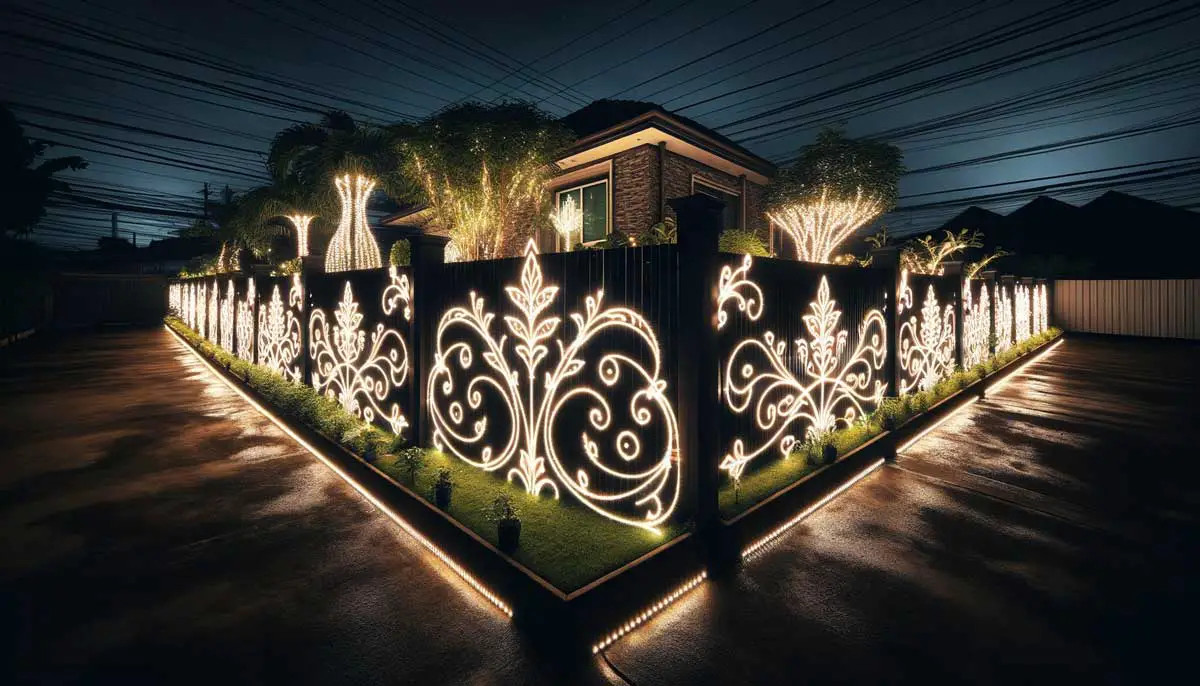
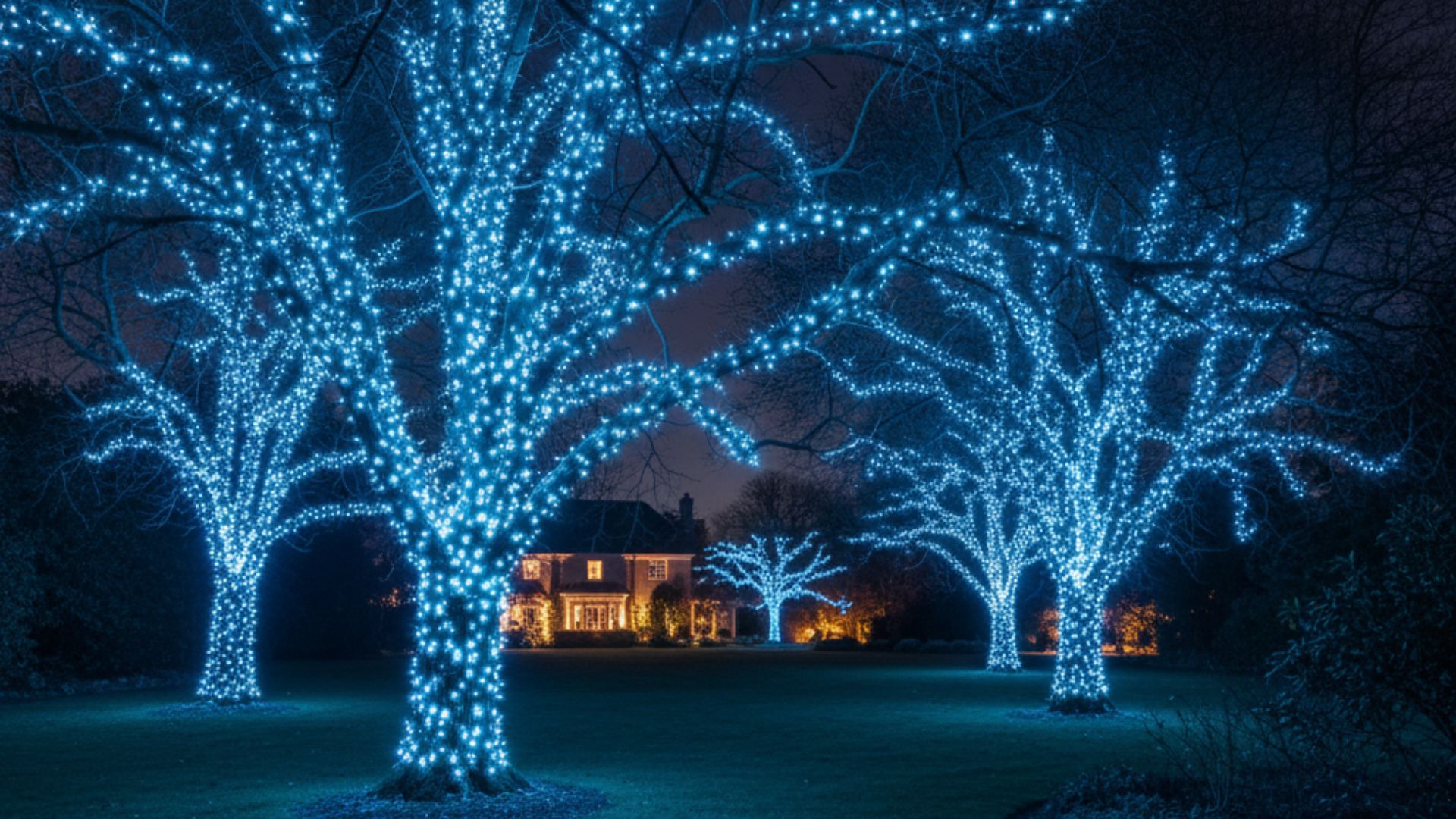
Nothing sets the mood for your home’s exterior quite like outdoor lighting. It adds warmth to your space, guides your way at night, and keeps things safe when the sun goes down. But if you’re not careful, those same lights meant to enhance your home can quickly become hazards waiting to happen.
From exposed wiring to misplaced fixtures, a few simple mistakes can lead to flickering bulbs, unexpected stumbles, or worse—actual electrical trouble. The best part? Avoiding these headaches isn’t complicated, as long as you know what works and what doesn’t when it comes to lighting up your yard.
In this article, we’ll break down the dos and don’ts of outdoor lighting safety, so you can enjoy a well-lit, worry-free space. Because the only sparks flying in your backyard should be from a cozy fire pit, not your electrical setup.
The Dos of Outdoor Lighting Safety

Choose Weather-Resistant Fixtures and Bulbs
Outdoor lighting has a tougher job than indoor lighting—it has to withstand rain, wind, heat, and cold, all while continuing to function safely. Using fixtures and bulbs not designed for outdoor use can lead to malfunctions, short circuits, and even dangerous electrical failures. That’s why it’s crucial to invest in weather-resistant lighting that can handle the elements year-round.
To find the right fixtures, pay attention to their IP (Ingress Protection) rating, which tells you how well they stand up to dust and moisture. Here’s what to look for:
- IP65 and higher – Fully weatherproof, great for areas exposed to heavy rain.
- IP44 to IP54 – Suitable for damp locations but not direct water exposure.
- IP20 and below – Strictly for indoor use; avoid using these outside.
Install Ground Fault Circuit Interrupters (GFCIs)
Electricity and moisture don’t mix well, and that’s where Ground Fault Circuit Interrupters (GFCIs) come in. These outlets are designed to cut power instantly when they detect an imbalance, reducing the risk of shocks and electrical fires. If your outdoor outlets aren’t already GFCI-protected, it’s time for an upgrade.
Not sure if you have GFCI outlets? Look for a “Test” and “Reset” button on the faceplate. Press “Test”—if the power cuts off, your outlet is working correctly. Press “Reset” to restore power. If the outlet doesn’t respond or trips frequently, it’s best to have an electrician take a look.
Follow Safe Wiring and Installation Practices
Outdoor lighting isn’t as simple as plugging in a few fixtures and hoping for the best. Poor wiring or overloading circuits can lead to short circuits, flickering lights, or worse—electrical fires. If your setup involves anything more complicated than plugging in a pre-wired fixture, a licensed electrician is your best bet.
Here are some essential wiring and installation tips:
- Use outdoor-rated extension cords – Regular cords aren’t designed for long-term outdoor exposure.
- Avoid overloading circuits – Always check wattage limits before adding new fixtures.
- Securely mount fixtures – Strong winds can loosen poorly installed lights, creating hazards.

Position Lights for Safety and Security
Properly placed lighting not only makes your home look great but also reduces safety risks. Poor positioning can create glare, blind spots, or deep shadows—defeating the whole purpose of outdoor lighting. Thoughtful placement helps you avoid these pitfalls.
Here’s how to do it right:
- Pathway lighting – Keep lights low to the ground to guide footsteps without causing glare.
- Security lighting – Use motion-activated floodlights for driveways and entrances to deter intruders.
- Avoid eye-level placement – Direct lighting at the ground or walls to prevent blinding people.
Perform Regular Maintenance Checks
Even the best outdoor lighting setup needs occasional upkeep. Over time, exposure to the elements can cause wiring to fray, bulbs to burn out, and fixtures to loosen—creating potential hazards. A quick check every few months can save you from bigger issues later.
What to look out for:
- Inspect wires for damage – Rodents and weather can wear down insulation.
- Clean fixtures regularly – Dirt buildup can reduce brightness and cause overheating.
- Replace flickering or burnt-out bulbs – These can strain your electrical system and reduce visibility.
Opt for Energy-Efficient and Low-Heat Lighting
Not all light bulbs are created equal, especially when it comes to outdoor use. Traditional incandescent bulbs waste energy and generate excess heat, which can be a fire hazard if placed near flammable materials. LED bulbs are a much better alternative.
Why go with LEDs?
- They stay cool – Unlike halogen and incandescent bulbs, LEDs don’t overheat.
- They last longer – A single LED bulb can last over 25,000 hours, meaning fewer replacements.
- They save energy – LEDs use up to 80% less electricity than traditional bulbs.
Upgrade to Smart Lighting for Extra Safety
Smart lighting isn’t just for convenience—it can also enhance security and efficiency. With features like motion detection, timers, and remote access, smart lights allow you to automate and control your outdoor lighting from anywhere.
How smart lighting helps:
- Creates the illusion of occupancy – Timed lights can make it seem like someone’s home, even when you’re away.
- Uses motion sensors – Lights that turn on with movement can deter unwanted visitors.
- Allows remote control – Forgot to turn off a light? Adjust it from your phone.
Know When to Call a Professional
Some outdoor lighting projects are perfect for a DIY approach, but others require an expert’s touch. Electrical work can be tricky, and mistakes can lead to serious hazards—so when in doubt, bring in a professional.
Call an electrician if:
- You need to install new outdoor outlets or run underground wiring.
- Your circuit breaker trips frequently when lights are on.
- You’re dealing with complex electrical configurations.
A professional installation ensures everything is up to code, reducing the risk of costly mistakes or safety hazards down the road.
The Don’ts of Outdoor Lighting Safety
Don’t Use Indoor-Rated Fixtures Outdoors
Not all light fixtures are built for the great outdoors. Indoor lights aren’t designed to withstand rain, extreme temperatures, or humidity, which makes them a risky choice for outdoor spaces. Over time, exposure to the elements can cause short circuits, corrosion, and even electrical fires.
To ensure safety, always look for UL (Underwriters Laboratories) or IP (Ingress Protection) ratings when choosing outdoor lighting. Here’s why using the wrong fixture can be dangerous:
- Water damage – Indoor fixtures lack proper sealing, allowing moisture to seep in.
- Short circuits – Exposure to rain and condensation can trip breakers and cause failures.
- Fire risks – Faulty wiring and corrosion increase the chance of sparks or electrical fires.
Don’t Overload Electrical Circuits
Outdoor lighting is great—until it starts tripping your circuit breaker. Overloading an electrical circuit by connecting too many lights can lead to flickering, overheating, and in extreme cases, electrical fires. If your lights dim when other appliances turn on, it’s a sign that your circuit is struggling.
To prevent overload, it’s crucial to calculate your wattage consumption before setting up multiple fixtures.
Don’t Place Lights Too Close to Flammable Materials
High-heat bulbs and poorly positioned fixtures can ignite dry plants, wooden surfaces, or even sections of your home’s exterior. This becomes an even bigger concern in hot, dry climates where vegetation is more flammable.
To minimize the risk, follow these safety tips:
- Keep at least 12 inches between fixtures and flammable materials like mulch, leaves, or wood.
- Choose LED bulbs instead of halogen or incandescent, as they generate less heat.
- Avoid installing lights too close to overhangs or decorations unless they’re heat-resistant.
Don’t Ignore Water Protection for Electrical Components
Water and electricity are a dangerous combination, yet many homeowners overlook waterproofing their outdoor lighting. Exposed electrical connections can lead to power failures, short circuits, and even electric shocks if left unprotected.
To keep your outdoor lighting safe from moisture damage:
- Use weatherproof junction boxes to shield electrical connections.
- Seal all exposed wiring with waterproof connectors and electrical tape.
- Position outlets and fixtures away from direct water exposure to prevent damage.
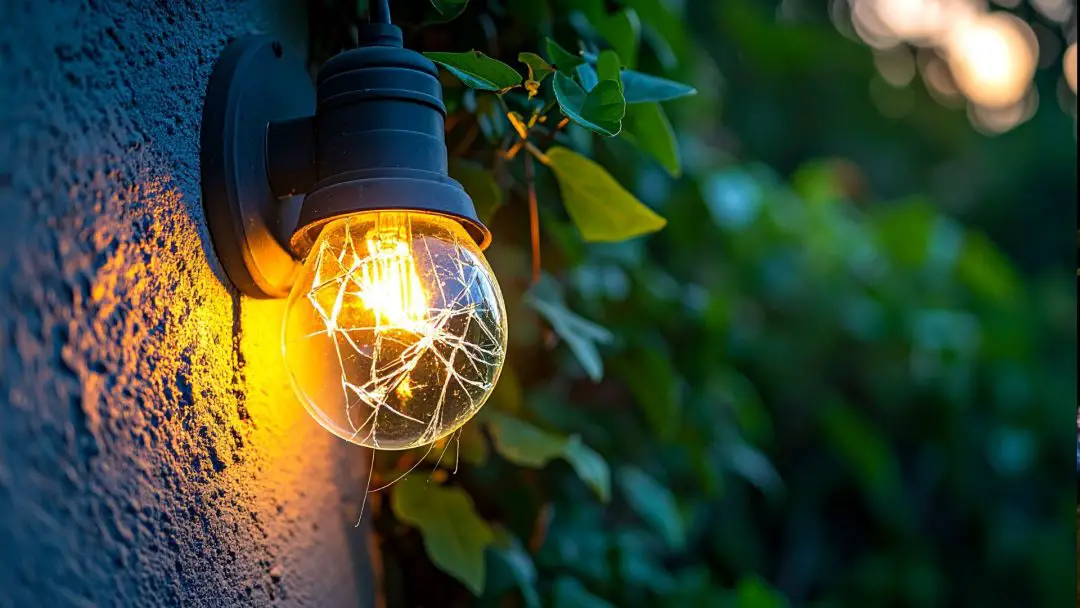
Don’t Leave Broken or Damaged Fixtures Unattended
A cracked light fixture or exposed wire might not seem like a big deal, but it can quickly turn into a safety hazard. Damaged outdoor lighting can lead to electrical shorts, flickering lights, and even potential electrocution risks.
If you spot any signs of wear or damage, act quickly:
- Replace cracked or broken fixtures before they cause bigger issues.
- Check for frayed or exposed wiring and repair it immediately.
- Dispose of damaged bulbs and fixtures properly to prevent electrical hazards.

Don’t Forget About Local Codes and Regulations
Before installing outdoor lighting, it’s important to check your local building codes and regulations. Many cities and homeowners’ associations (HOAs) have rules regarding brightness levels, fixture placement, and energy efficiency standards. Ignoring these guidelines can result in fines—or worse, having to redo your entire setup.
To stay compliant:
- Review local electrical codes before making major installations.
- Check HOA rules to ensure your lighting doesn’t violate community guidelines.
- Follow proper permitting procedures if required in your area.
Illuminate Your Outdoors Safely

Outdoor lighting isn’t just about making your home look good—it’s about striking the perfect balance between beauty, function, and safety. A well-planned setup enhances your space while keeping potential hazards at bay. When done right, your lighting works effortlessly in the background, brightening pathways, deterring intruders, and creating an inviting atmosphere.
Safety doesn’t have to be complicated; it just takes a little foresight and the right choices. Investing in quality fixtures, following best practices, and keeping up with maintenance can save you from future headaches. So, take the time to do it right—your home, your guests, and even your electricity bill will thank you.