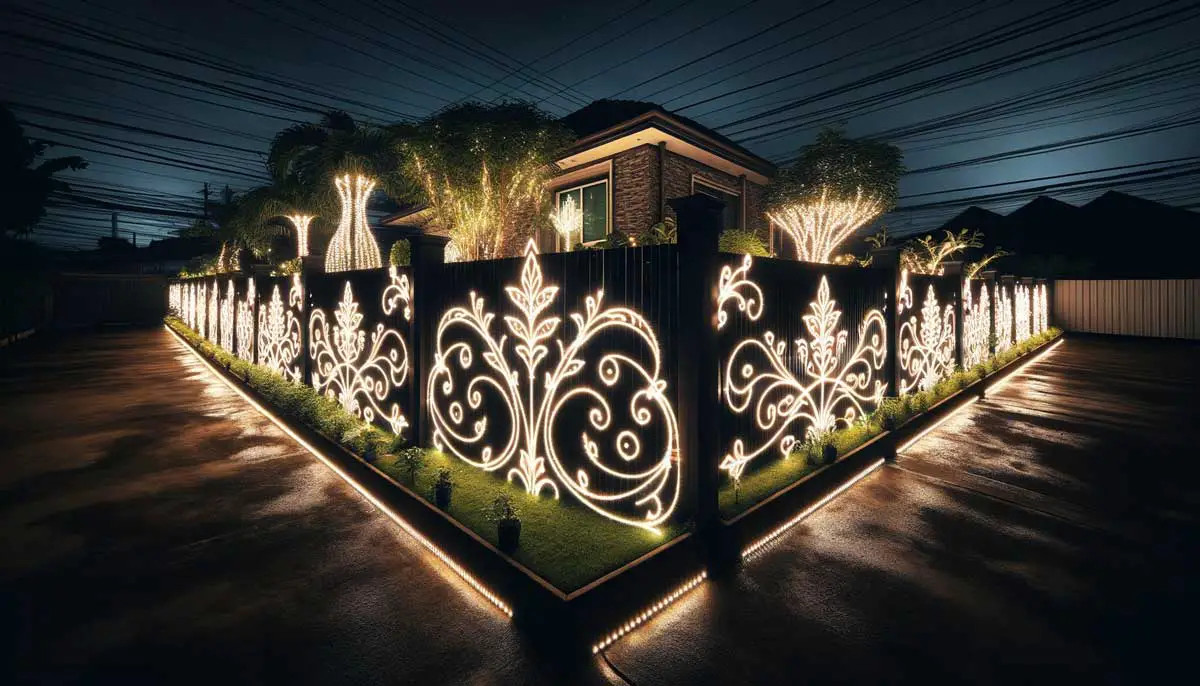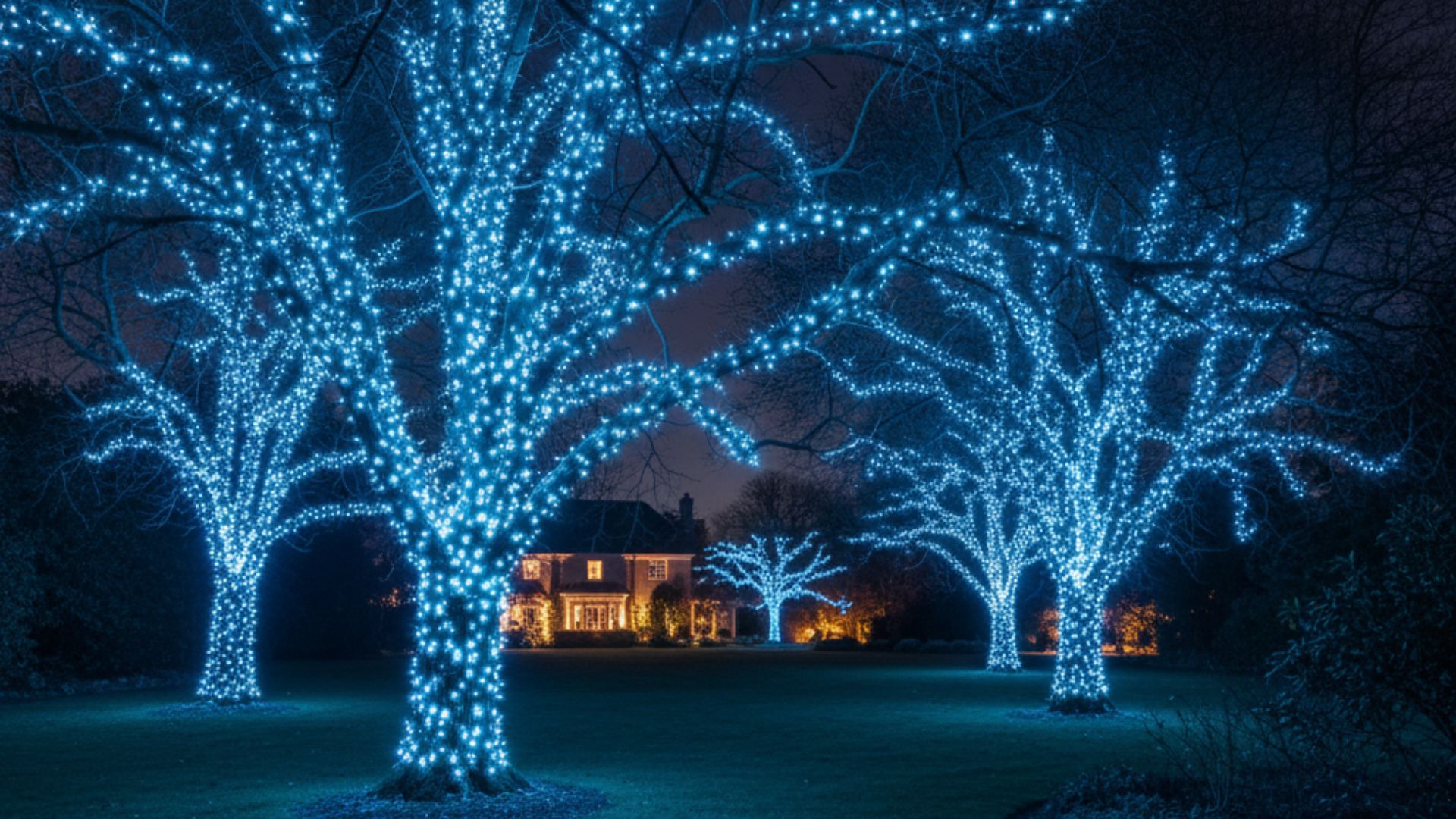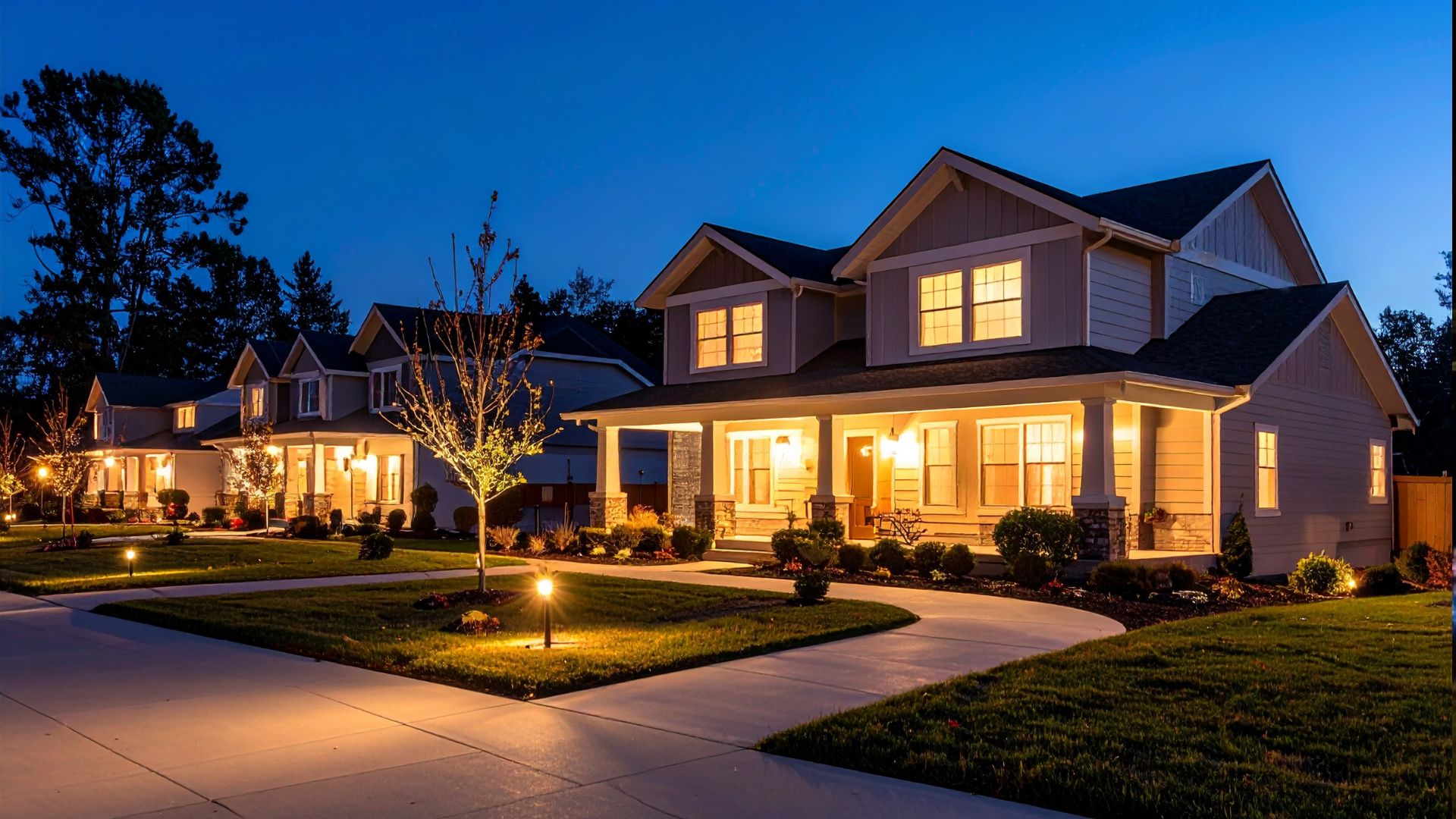
Most people think about sleep hygiene in terms of caffeine, screen time, or noisy neighbors. But there’s one sneaky culprit that often gets overlooked: outdoor lighting. From porch lights that stay on all night to bright security floodlights, the glow outside your window might be doing more than just helping you see.
Outdoor lighting has come a long way—sleek designs, energy-efficient LEDs, and smart systems that respond to movement or schedules. But with all that convenience, we’ve also created a world that’s never fully dark. And when the night isn’t really night anymore, our brains can get a little confused about when it’s time to wind down.
In this article, we’ll explore how outdoor lighting might be interfering with your sleep without you even realizing it.
The Science Behind Sleep and Light
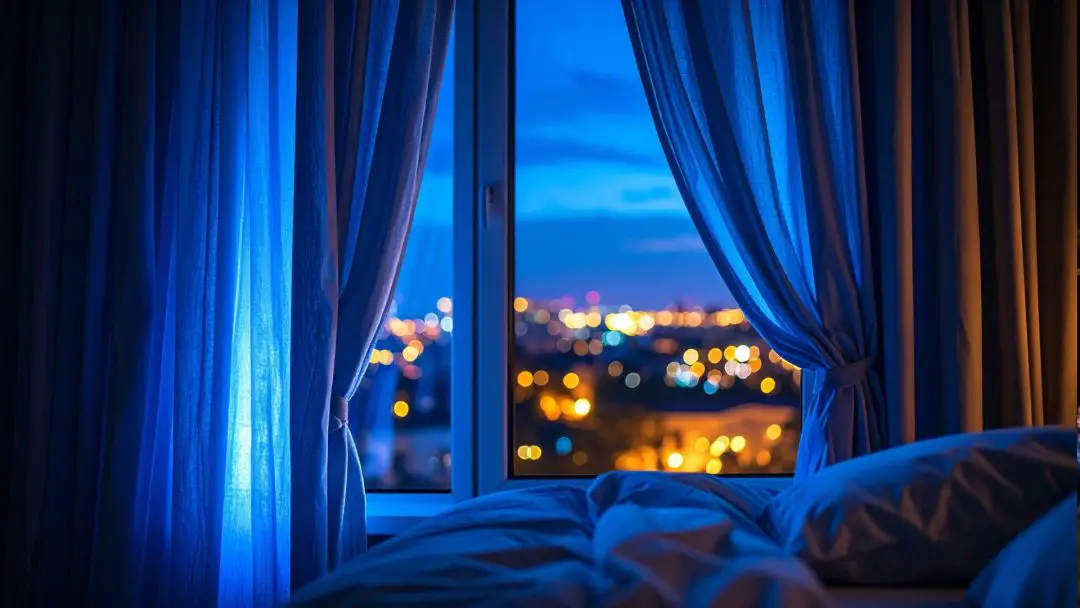
Our bodies run on a built-in clock called the circadian rhythm, which tells us when to be alert and when to wind down. This rhythm takes its cues from light—especially the kind that hits our eyes, even when we don’t realize it.
The connection between light and sleep is stronger than most people think, and outdoor lighting plays a sneaky role in throwing things off. Whether it’s a bright porch light or a gentle glow from landscape lighting, artificial light at night can mess with the body’s natural signals.
Here’s how light affects your sleep:
- Melatonin gets shy around light – Melatonin is the hormone that helps you feel sleepy, and it needs darkness to do its job properly. When your brain senses light—especially in the evening—it holds back melatonin, which can delay sleep and make it harder to drift off.
- Blue light isn’t just from your phone – Many outdoor LED lights, especially cool-white bulbs, emit blue-rich light that closely mimics sunlight. That’s helpful for visibility, but confusing for your body when it’s supposed to be nighttime.
- Your brain reads light as a wake-up call – Even a small amount of light signals your brain that it’s time to stay alert. This can shift your sleep schedule over time, making it harder to fall asleep when you want to.
- The darker your sleep environment, the better – Total darkness helps keep melatonin levels steady through the night, supporting deeper and more restful sleep. But when outdoor light slips through your curtains, it can interrupt that rhythm and leave you feeling groggy in the morning.
- Closed eyes don’t block out everything – Light can still be detected through your eyelids, especially if it’s bright or persistent. That means a nearby streetlamp or a neighbor’s porch light can mess with your sleep.
How Outdoor Lighting Disrupts Sleep
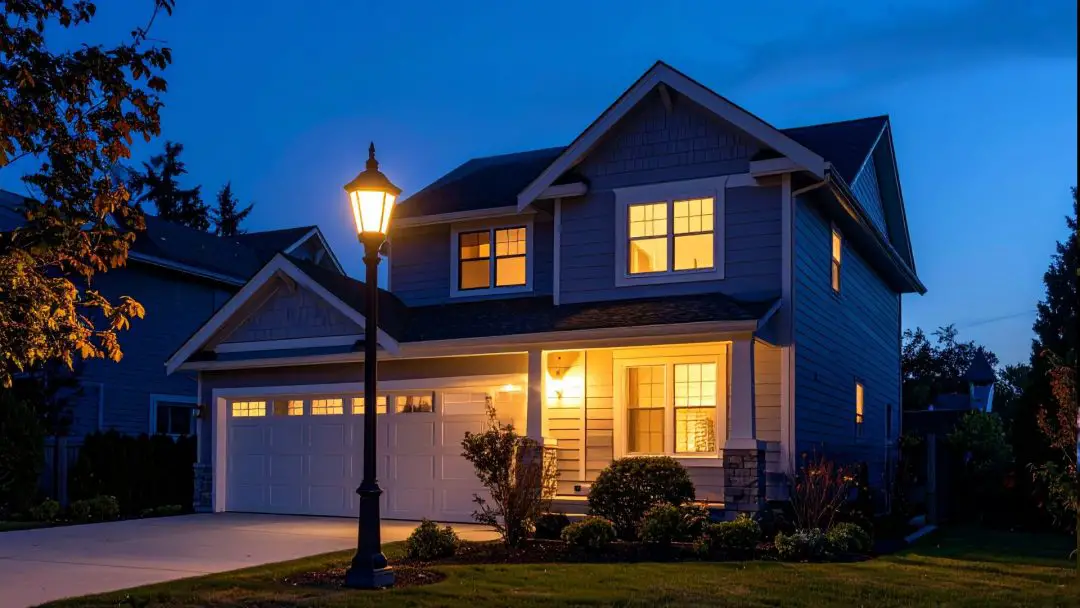
Outdoor lighting isn’t just background scenery—it can creep into your home and quietly mess with the way your body winds down at night. Even when it seems harmless, that gentle glow from your yard or your neighbor’s porch can send the wrong signals to your brain.
Here’s how outdoor lighting can interfere with your sleep more than you’d expect:
- It throws off your body clock – Your internal clock, or circadian rhythm, follows the natural cycle of light and dark. When outdoor lights stay on all night, they confuse your brain into thinking it’s still daytime, making it harder to fall asleep on time.
- It slows down melatonin production – Your body releases melatonin in response to darkness, helping you feel drowsy. But when there’s artificial light outside your window, your brain holds off on sending those sleepy-time signals.
- It keeps your sleep shallow – Even low-level light can prevent your body from reaching the deeper stages of sleep. You might stay asleep, but it won’t be the kind of sleep that leaves you feeling truly rested.
- It makes your bedroom feel less restful – A dark room tells your body it’s safe to power down. But if your space feels slightly lit all night, your brain stays on alert—like it’s waiting for something to happen.
Common Outdoor Lighting Mistakes That Can Affect Sleep

It’s easy to think outdoor lighting is a “set it and forget it” kind of thing—but the way lights are used around your home can quietly mess with sleep. What looks great from the curb might be the same thing lighting up your neighbor’s bedroom at midnight.
Here are some of the most common outdoor lighting mistakes that could be keeping you—or your neighbors—wide awake:
- Leaving lights on all night – All-night lighting can feel like a safe choice, but it often adds to the constant glow that disrupts natural sleep cycles. Even subtle light can interfere with the body’s ability to fully settle into rest mode.
- Using lights that are too bright – Flooding a yard with intense light might seem effective, but it can easily create glare and light trespass. That brightness doesn’t just stay outside—it can sneak through blinds and curtains.
- Installing unshielded fixtures – Lights without shielding tend to scatter in every direction, not just where illumination is actually needed. That wide spread increases the chance of it spilling into areas meant for sleeping.
- Placing fixtures too high – Mounting lights higher up may cover more ground, but it also casts a wider net of unnecessary light. The higher the fixture, the more likely it is to light up windows, walls, and skies unintentionally.
- Choosing cool-white or daylight-colored bulbs – These bulbs give off a strong, blue-toned light that mimics daylight—a signal to your body that it’s time to stay alert. At night, that kind of lighting can be especially disruptive to the body’s wind-down process.
- Overly sensitive motion sensors – Lights that flick on every time a leaf rustles or a cat walks by can lead to unpredictable flashes throughout the night. This kind of intermittent lighting may not fully wake you, but it can still fragment your sleep.
Seasonal Changes and Outdoor Light Use

As the seasons shift, so do our lighting habits—sometimes without us even thinking about it. Longer nights in winter and drawn-out summer evenings both play a role in how and when we use our outdoor lights. And while it all feels pretty normal, those seasonal patterns can quietly influence how well we sleep.
Here’s how different seasons can subtly shape your outdoor lighting use—and impact your sleep in the process:
- Winter brings earlier darkness—and more lighting hours – With the sun setting before many people even get home from work, it’s common to leave lights on for longer stretches. That extended glow can creep into bedrooms, making it harder for your body to recognize that it’s time to rest.
- Summer evenings tempt us to keep lights on later – Between barbecues, warm weather, and late sunsets, outdoor lights often stay on well past bedtime. It may feel relaxing, but all that extra exposure to light can delay the body’s natural sleep signals.
- Holiday lighting adds even more glow – Festive lights during the holidays are fun to look at but often stay on all night, adding to neighborhood brightness. This steady glow can easily find its way into bedrooms and disturb otherwise peaceful sleep.
- Fall and spring bring unpredictable light patterns – These transitional seasons can swing between gloomy days and bright evenings, leading to inconsistent lighting habits. That back-and-forth makes it harder for your body to settle into a steady sleep rhythm.
How to Make Your Outdoor Lighting Sleep-Friendly
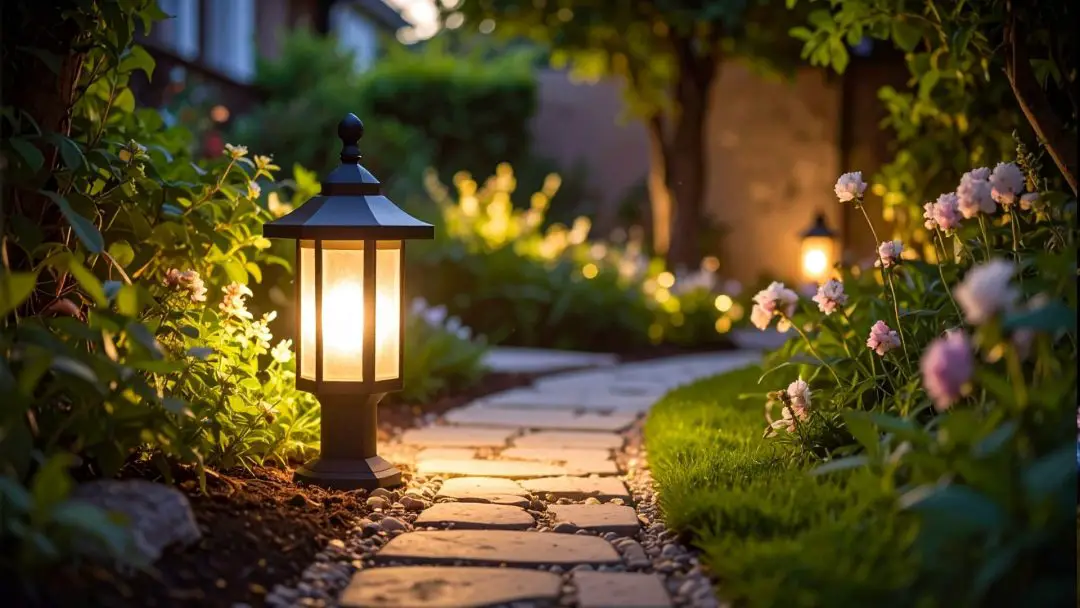
Just because outdoor lighting can affect sleep doesn’t mean you need to live in total darkness to fix it. A few simple changes can help your lights do what they’re supposed to—add safety and style—without shining into places they don’t belong, like your bedroom.
Here’s how to make your outdoor lighting more sleep-friendly, without sacrificing practicality:
- Use shielded fixtures – Shielded lights point the glow downward where it’s actually needed, instead of spraying it all over your yard—and your neighbor’s windows. This helps minimize glare and reduces the amount of stray light that ends up in unwanted places.
- Choose warmer-colored bulbs – Bulbs labeled 2700K to 3000K give off a soft, amber light that’s easier on the eyes and less likely to mess with your sleep hormones. Cooler, bluish lights look sharp but send your brain the wrong message at night.
- Install timers or smart controls – Automatic lighting schedules let you enjoy the benefits of outdoor lights without leaving them on until sunrise. Whether you use timers, motion sensors, or smart home apps, it’s one less thing to worry about.
- Keep brightness in check – Brighter doesn’t always mean better—especially if it turns your yard into a spotlight zone. Aim for just enough light to see clearly without flooding the area.
- Tweak motion sensor sensitivity – Lights that pop on every time a squirrel sneezes aren’t doing anyone any favors. Adjusting the sensitivity means your lights respond when they should, not just whenever something moves.
- Pay attention to placement – Where you position your lights makes a big difference. Keep fixtures lower and angled away from windows to reduce spillover and keep the light focused on where it’s actually needed.
Outdoor Lighting and Sleep: Finding the Right Balance
Sleep and outdoor lighting may seem unrelated at first glance, but as we’ve uncovered, they share more common ground than expected. The gentle glow outside your window doesn’t just light the way—it subtly influences how deeply and peacefully you sleep. That’s why your outdoor lighting decisions deserve just as much thought as any other part of your nighttime routine.
We tend to focus on function and appearance when setting up lights, but it’s worth considering how those same lights affect the mood of the night. A calm, well-lit space that respects darkness can feel like a quiet invitation to rest.
Finding balance doesn’t mean giving something up—it means lighting your space in a way that works with sleep, not against it. And when you get it right, you don’t just see the difference—you feel it.