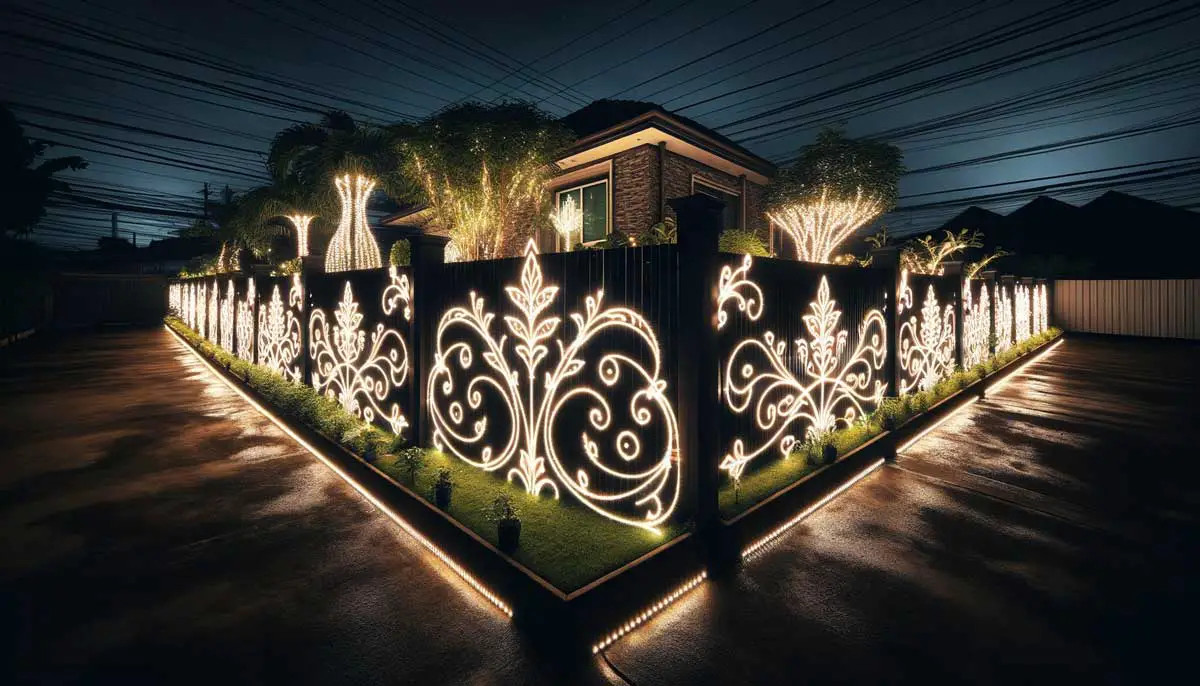
Most homeowners install outdoor lighting to make their yards look nice or help them avoid stepping on a rake after sunset. But sometimes, that same lighting starts to feel like it should be doing more—like keeping raccoons out of the trash or stopping rodents from treating your yard like a shortcut. If a few lights can keep things cozy and safe for you, why not make them a little annoying for uninvited guests too?
It’s a tempting idea, especially when you’ve seen a raccoon boldly stroll across your fence like it pays rent. People often wonder if more light means fewer animals creeping around after dark. The answer isn’t that simple though, because different animals react to light in different ways—and not all of them are impressed by your fancy motion sensors.
In this article, we’ll look at what role outdoor lighting actually plays when it comes to deterring rodents and raccoons. Let’s see if you can outshine the problem, or if these nighttime visitors just see it as mood lighting.
Can Outdoor Lights Deter Rodents?

Rodents are naturally sneaky little creatures, and they love the cover of darkness almost as much as they love your leftover pizza crusts. Since they do most of their exploring at night, anything that messes with their shadows—like outdoor lighting—can throw them off.
If you’re thinking about using lights as part of your rodent-control strategy, here’s what you need to know about how and when they actually help:
- Rodents usually avoid bright, exposed areas. Light makes them feel unsafe, since it increases their chances of being spotted by predators—or you. If a space feels too risky, they’ll often scurry away and try somewhere else with better cover.
- Motion-sensor lights can catch them off guard. A sudden burst of light when they dart across a path can make them freeze or bolt, interrupting their usual routes. The element of surprise is key, especially in places they frequent, like trash bins or outdoor storage.
- Static lighting might lose its impact over time. If nothing happens while the lights are on night after night, some rodents will eventually ignore it. That’s why lights that react to movement or shift in intensity tend to be more effective.
- Light disrupts their sense of safety and routine. Rodents like consistency—dark paths, predictable hiding spots, quiet spaces. Flood those areas with unpredictable light, and their once-comfy routine suddenly feels risky and unfamiliar.
- Lighting works best as part of a bigger plan. On its own, it’s helpful but not foolproof. Pair it with clean-up habits and basic rodent-proofing, and you’ve got a much better shot at keeping them out.
Can Outdoor Lights Scare Off a Raccoon?

Raccoons may look like clever little bandits, but they’re more like nighttime opportunists with a nose for leftovers and zero shame. They’re bolder than rodents, surprisingly smart, and not always fazed by a bit of backyard lighting—especially if there’s an easy snack involved.
Even so, outdoor lights can still mess with their nightly plans in a few key ways:
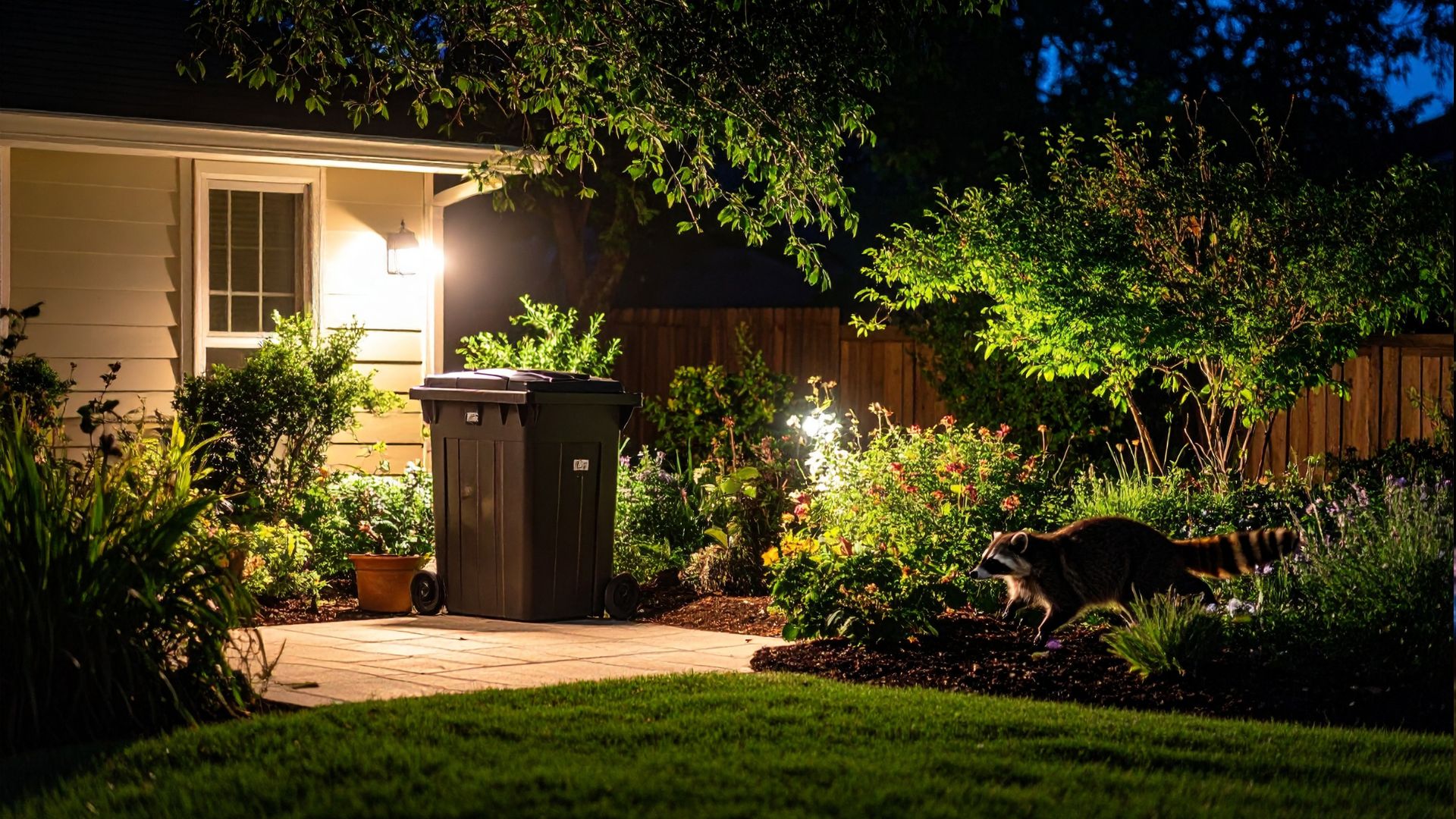
- Sudden bursts of light can make them pause or rethink their route. Raccoons don’t love being spotlighted in the middle of a trash raid, especially if they’re not expecting it. While it won’t scare all of them off, motion lights can interrupt their momentum and push them to look elsewhere.
- Raccoons are curious but cautious. They’ll investigate new light sources, but if the environment keeps changing—bright one moment, dark the next—it throws off their usual pattern. That unpredictability can make your yard feel more like a hassle than a free buffet.
- They tend to avoid areas that feel exposed or active. A yard that lights up every time something moves feels less abandoned, which raccoons usually prefer. If they sense they’re being watched or interrupted, they’re more likely to move along.
- Bright lights can make hiding spots less appealing. Raccoons often nest or linger near woodpiles, sheds, or dense bushes. Lighting up those areas can make them feel too open for comfort.
- They remember what works—and what doesn’t. If your lights consistently ruin their routine, they may eventually choose an easier, darker yard. It takes time, but raccoons are surprisingly good at learning where they’re not welcome.
What Kind of Outdoor Lights Work Best?

Not all outdoor lights are created equal—some are better at creating cozy vibes than chasing off furry intruders. If your goal is to make raccoons and rodents think twice before wandering into your yard, it helps to choose the right type for the job.
Here are the types of outdoor lights that actually help keep those nighttime visitors in check:
- Motion-sensor lights: These are the surprise party no raccoon wants to attend. The sudden burst of light startles animals mid-creep, making your yard feel like a risky place to hang out.
- Floodlights: Big, bright, and hard to ignore, floodlights cover a wide area and leave little room for shadows. Rodents hate feeling exposed, and raccoons might just decide your spotlighted yard isn’t worth the effort.
- Smart lights with timers or app control: With scheduling options and remote control, smart lights let you mix things up regularly. That unpredictability keeps raccoons guessing and makes it harder for them to adapt.
- Solar-powered motion lights: Easy to install and budget-friendly, these work great along fences, sheds, or dark corners where wiring isn’t practical. They may not be stadium-bright, but the surprise effect still packs a punch.
- High-lumen pathway lights: Low-glow garden lights won’t do much, but brighter versions can help eliminate the hidden trails rodents like to use. Line them along fences or between bushes to make those sneaky shortcuts feel a little too exposed.
Lighting Strategy: Where and How to Install for Deterrence

You’ve got the lights—now it’s time to outsmart the whiskered freeloaders using them. Where and how you place your lighting makes all the difference between a peaceful backyard and one that hosts nightly animal shenanigans.
Here’s where to aim those beams if you want raccoons and rodents to think twice:
- Near trash cans and compost bins: If there’s one place raccoons love more than a quiet tree, it’s your garbage buffet. A well-placed motion light will catch them in the act and ruin the vibe fast.
- Along fences and backyard borders: Rodents treat fence lines like highways, and raccoons are known to scale them like pros. Install lights that cover the base and mid-level height to interrupt these little road trips.
- Around sheds, garages, and crawl spaces: These shadowy corners are cozy hideouts and common entry points for pests. Use ground-level lights or motion sensors to keep these areas exposed and less inviting.
- In and around the garden or fruit trees: A ripe tomato or fallen mango is practically a dinner bell for wildlife. Set up motion lighting to surprise any would-be thieves and keep your produce for yourself.
- Under decks and porch stairs: These low, dark nooks are rodent favorites for nesting and hiding. Install small, focused lights to take the secrecy out of these spaces.
- Anywhere you’ve spotted frequent critter activity: If you’re finding tracks, droppings, or knocked-over planters in one spot, follow the evidence. A strategically placed light could be all it takes to break their routine.
Combine Outdoor Lighting with Other Deterrent Methods

Outdoor lighting is a great start, but if you’re serious about keeping raccoons and rodents off your turf, you’ll need a few more tricks up your sleeve. Lights can make them uncomfortable—but pairing that with other deterrents can make your yard downright unwelcoming.
Here’s what to team up with your lighting for a smarter, stronger defense:
- Lock down your trash like it’s treasure: Raccoons are surprisingly skilled at opening loose lids and tipping bins over for a snack. Use trash cans with locking lids, and if you can, keep them in a shed or garage until pickup day.
- Clear away easy meals: Outdoor pet food, dropped fruit, overflowing bird feeders—these are like dinner invitations for critters. Keep your yard tidy and clean up food scraps quickly to make it less appealing.
- Seal the small stuff: Rodents don’t need much space to squeeze through, so take time to check for tiny gaps under decks, around vents, or near sheds. A little caulking or mesh can go a long way.
- Add a splash of surprise with motion sprinklers: If the lights don’t send them running, a sudden spray of water might do the trick. Motion-activated sprinklers are especially useful in gardens or areas with frequent animal traffic.
- Use scent or sound to make your yard less cozy: Ultrasonic devices and predator-scent repellents won’t stop everything, but they do make things a bit more confusing and uncomfortable. Layered with lighting, they give critters one more reason to move on.
- Keep it neat and open: Tall grass, stacked wood, and cluttered corners give animals places to hide and feel safe. A clean, well-lit yard feels more exposed—and way less inviting to a sneaky visitor.
When Outdoor Lights Become Part of the Defense
Outdoor lights won’t scare off every raccoon or rodent that passes through, but they definitely shift the odds. A yard that’s lit up feels less private, less predictable—and a whole lot less cozy for anything creeping around after dark. You’re not just adding glow to your space; you’re setting a tone that says, “This isn’t your playground.”
Once lighting becomes part of your defense game, the little things start to count. Each flicker, flash, or unexpected spotlight sends a quiet but clear message: this place is active, and someone’s paying attention. For animals that rely on the shadows, that’s often just enough to change their plans.