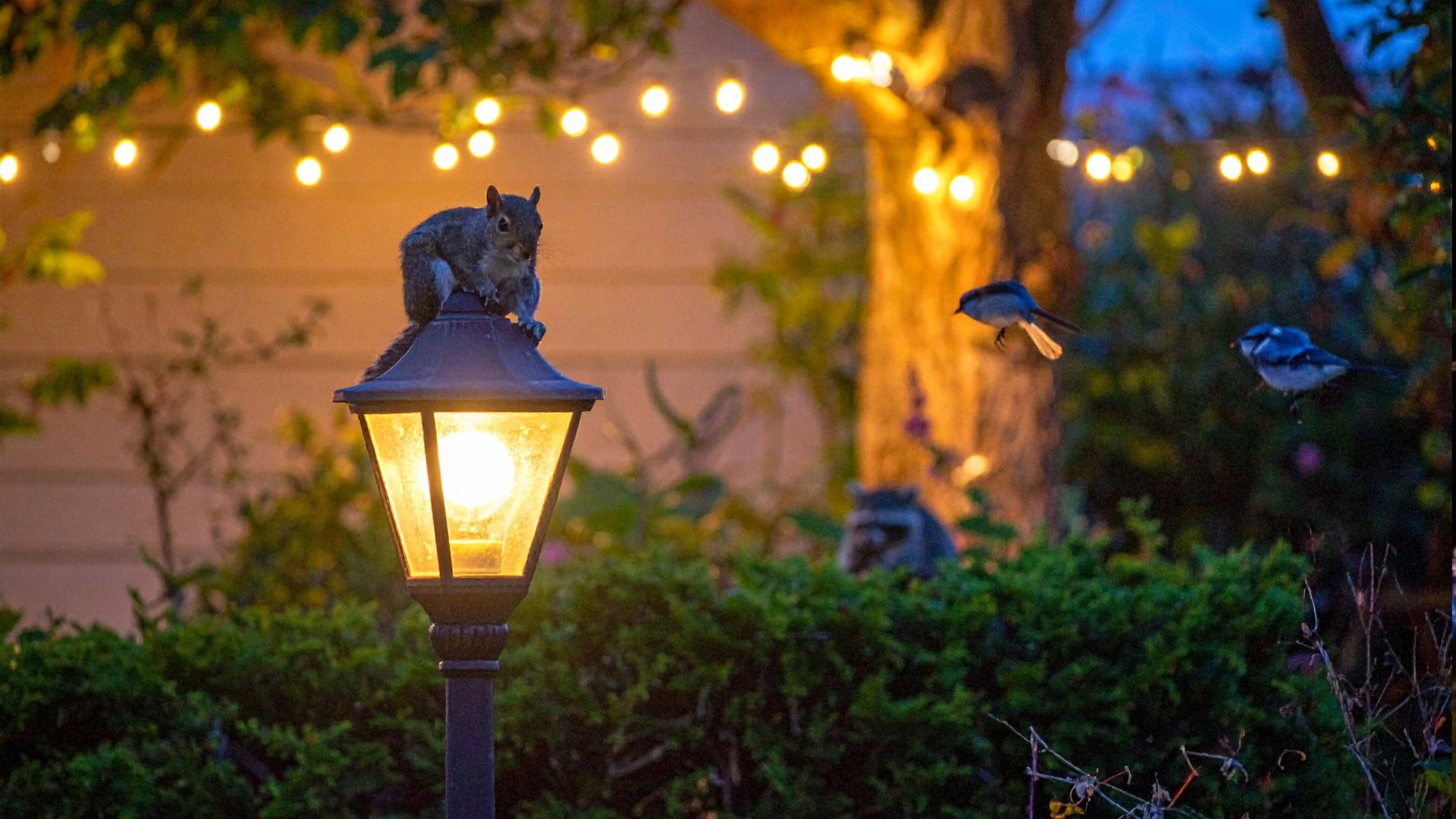
They peck, they chew, they nest, and sometimes they just hang out like your yard is their weekend getaway—wildlife has a real talent for turning outdoor spaces into their personal playground. And when they do, your outdoor lighting often ends up in the line of fire, tangled in a mess of feathers, fur, and tiny teeth. It might seem harmless at first, even a little amusing, until the repair bills start piling up or your favorite path light flickers out for good.
That’s the thing about outdoor lighting—it’s designed to highlight your home’s best features, not act as a squirrel’s jungle gym or a bird’s landing pad. But if your fixtures are easy to reach, warm to the touch, or dangling just enough to catch attention, chances are they’ll attract the wrong kind of interest. With a few thoughtful tweaks, though, you can help your lights do their job without becoming part of the local wildlife attraction.
Today, we’re diving into how to protect your outdoor lights from birds, squirrels, raccoons, and whatever else scurries through the night. Because let’s face it—your lights deserve to shine without the constant interference of nature’s busiest guests.
Why Wildlife Is Attracted to Outdoor Lights

It’s not just humans who enjoy a warm, welcoming glow—wildlife takes notice, too. For birds, squirrels, and all sorts of nighttime wanderers, outdoor lights can seem like an open invitation to drop by, hang out, or poke around.
A lot of this attention comes down to instinct. Light affects how animals see, move, and react to their environment, and when that light is suddenly in their territory, it naturally stirs their curiosity.
Here are some reasons why your outdoor lights are turning into a hotspot for local wildlife activity:
- Brightness and Glare: Many animals, especially migratory birds, are sensitive to artificial light, which can throw off their internal navigation. At night, bright outdoor lights can become visual magnets, causing birds to fly off-course, circle repeatedly, or even collide with structures.
- Heat Emission: Fixtures that give off warmth—like those with halogen or incandescent bulbs—can attract animals seeking a toasty rest stop. On chilly nights, a glowing light can seem like a miniature sun to small creatures looking for comfort.
- Insect Swarms: Lights attract bugs. Bugs attract everything that eats bugs. So when insects gather in a glowing cloud around your fixtures, it’s no surprise that bats, frogs, and birds follow the trail, turning your lights into an all-you-can-eat buffet.
- Shiny or Reflective Surfaces: Glossy finishes, glass covers, or mirrored trims on your lights can reflect trees, sky, or even movement. To birds or small animals, these reflections may resemble food, water, or fellow animals—leading to tapping, pecking, or full-on collisions.
- Placement Near Trees or Rooftops: Lights installed close to branches, fences, or rooftops can blend into existing wildlife paths. If a fixture is within hopping or gliding distance, it can become part of an animal’s routine or, worse, a prime nesting spot.
- Motion and Flickering Effects: Lights that turn on unexpectedly or flicker can mimic sudden movements in nature, which can catch an animal’s attention. Rather than scaring them off, the unpredictable lighting might actually draw them in to investigate.
Common Damage to Outdoor Lights Caused by Birds and Animals

Wildlife might seem like harmless neighbors, but they can quickly turn your outdoor lighting setup into their personal playground—and not in a good way. What starts as a harmless visit can lead to some frustrating and costly damage that leaves your lights looking worse for wear.
Here are some of the most common ways animals can damage your outdoor lights:
- Chewed Wires and Cables: Squirrels and rodents are notorious for nibbling on anything they can get their teeth on, including the wires of your outdoor lights. A chewed-up wire doesn’t just mean a light that’s out of commission—it can also cause serious safety issues like electrical shorts or even fires.
- Broken or Dislodged Fixtures: Animals using your lights as a perch, launching pad, or general hangout spot can cause fixtures to loosen or fall off entirely. A little shake here and there adds up, and next thing you know, your perfectly placed lights are hanging crookedly or lying on the ground.
- Cracked or Shattered Lenses: Birds, especially territorial ones, tend to peck at shiny surfaces like light fixtures, mistaking their reflection for competition. This behavior can lead to cracked or shattered lenses, exposing the internal components to the elements and potentially ruining the light.
- Nests in or Around Fixtures: If you’ve got a light that’s high enough, it might seem like a prime spot for a bird to build a nest. Unfortunately, nests can block ventilation, cause overheating, or even prevent the light from shining altogether, leaving you with a non-functional fixture and a mess to clean up.
- Scratches and Droppings: Those sharp claws and beaks that animals use to land or scurry across your lights can easily leave behind scratches or small cracks. On top of that, bird droppings are acidic and can eat away at your fixtures, dulling their appearance and even damaging the materials over time.
- Blocked Sensors and Panels: If you’ve got motion sensors or solar-powered lights, animals perched on them can block their functionality without even realizing it. Whether it’s preventing a sensor from detecting movement or stopping a solar panel from charging, it’s a quick way to render your outdoor lights less effective.
Strategic Outdoor Lights Placement to Discourage Wildlife

Placing your outdoor lights with a little strategy can go a long way in keeping birds and critters from turning them into hangout spots. A few well-planned tweaks can help you enjoy a bright, beautiful yard without turning it into a wildlife lounge.
Here are smart placement strategies to help steer wildlife away from your outdoor lighting:
- Avoid Mounting Lights Near Trees or Overhangs: Trees and low eaves create perfect little launchpads for birds and squirrels to leap from. Giving your fixtures some space from branches and overhangs takes away their easy access and makes those lights a lot less inviting.
- Install Lights Higher Off the Ground: When lights are mounted close to the ground, they’re within easy reach of curious paws and claws. Raising them up helps avoid attention from raccoons, stray cats, and other nighttime wanderers that might want to nibble or nudge.
- Angle Lights Downward, Not Up: Bright bulbs aimed skyward tend to grab attention from birds flying overhead—especially at night. A downward tilt helps keep the light focused where it’s needed and makes your fixtures less noticeable to those passing by above.
- Keep Lights Away from Nesting Nooks: Areas like ledges, eaves, or vents can seem like the perfect place for birds to settle in and start a little family. Installing your lights away from these cozy corners discourages nesting and keeps your setup cleaner and easier to maintain.
- Avoid Installing Lights Near Food or Water Sources: If your lights are close to a feeder, pet bowl, or backyard pond, you’re basically spotlighting the neighborhood snack bar. Animals will naturally be drawn to these areas—and the more time they spend there, the more likely they’ll mess with your lights.
- Use Motion-Activated or Timed Lighting: A light that stays on all night gives animals plenty of time to get comfortable. Motion-sensor lights or timer-based setups cut down on constant exposure and make the area feel less stable and secure for lingering wildlife.
- Choose Recessed Lighting for Ground-Level Areas: If you need light along walkways or patios, recessed lighting is a smart, low-profile choice. These lights sit flush with the surface, giving wildlife nothing to perch on or chew through—plus, they blend in neatly without disrupting the design of your space.
Choose Wildlife-Resistant Fixtures and Materials

When wildlife keeps messing with your lights, the smartest move isn’t always adding more gadgets—it’s choosing the right fixtures and materials from the start. A few thoughtful picks can go a long way in keeping your setup safe from pecking, clawing, chewing, and all the other surprises your local critters might bring.
Here’s what to look for when picking fixtures that can stand up to wildlife without breaking a sweat:
- Stick with Metal or Reinforced Polycarbonate Instead of Standard Plastic: Basic plastic might look fine at first, but birds and small mammals can chew right through it like it’s a snack. Stronger options like metal or heavy-duty polycarbonate hold their own against bites, scratches, and changing weather.
- Go for Fixtures with Minimal Gaps, Screws, or Loose Parts: Lights that look too “busy” tend to catch the attention of curious paws and beaks. Choosing sleeker, tamper-resistant designs means there’s less for animals to grab, pull at, or try to nest inside.
- Pick Fixtures That Are Both Weatherproof and Wildlife-Resistant: Sure, outdoor lights should handle rain—but it’s even better when they also handle raccoons. Sealed designs help keep both moisture and mischief-makers out, so your lights last longer without needing constant repairs.
- Hide or Protect Any Exposed Wiring: Loose wires are basically chew toys in disguise. Running them through conduit or protective tubing helps keep the setup neat, safe, and way less interesting to squirrels.
- Choose Fixtures with Covered or Shielded Bulbs: Open bulbs might seem harmless, but birds often see them as warm perches or ready-made nesting spots. A fixture with a sealed or caged design not only keeps your light source protected but also discourages squatters from settling in.
Managing the Surrounding Environment

Sometimes, the best way to protect your outdoor lights from birds and other curious creatures has less to do with the lights themselves—and more to do with what’s happening around them. A few smart tweaks to your surroundings can quietly discourage wildlife without sacrificing style or brightness.
Here are a few easy ways to manage your environment and make your lighting setup less tempting to wild visitors:
- Move bird feeders and other animal magnets away from your lights: When feeders or baths are placed too close to your lights, it’s like rolling out a welcome mat and leaving the porch light on. By relocating them just a bit farther away, you reduce the chances of birds lingering (or perching) on your fixtures while still keeping them fed and happy.
- Keep nearby trees and bushes neatly trimmed: Dense foliage and low-hanging branches offer the perfect launchpad for birds and squirrels to reach your lights. A little trimming not only tidies up your yard but also removes those easy access points that make your fixtures look like prime real estate.
- Don’t leave out pet food, trash, or compost near lighting areas: Leftovers, open trash bins, and compost piles are basically wildlife buffets—and your outdoor lights might get caught in the crossfire. Keep those items stored securely and well away from your lighting setup to avoid turning your yard into a midnight snack stop.
Keeping Outdoor Lights Safe the Smart Way
When it comes to outdoor lights, a little prevention goes a long way in keeping those pesky animals at bay. By taking a few smart steps to manage your setup, you’ll be able to enjoy your well-lit yard without worrying about wildlife making it their new playground. The key is creating a space where both your lights and the local creatures can coexist—without any unwanted surprises.
Ultimately, protecting your outdoor lights doesn’t have to be complicated or time-consuming. A few strategic moves can save you from frequent repairs and make your outdoor space more enjoyable. After all, a little foresight ensures that your lights stay bright and your wildlife friends stay at a respectful distance.