Living by the coast has its perks—ocean breezes, sunset views, and the calming sound of waves instead of car horns. But with all that beauty comes a fair share of wear and tear, especially when it comes to outdoor lighting. The salty air, high humidity, and sudden storms can be rough on even the toughest fixtures.
That’s the thing about coastal living—it demands a bit more thought when choosing what goes outside. Lights that work fine inland might rust, flicker, or flat-out quit after a few months by the sea. And beyond the weather, there are other factors to juggle, like keeping wildlife safe, following local rules, and making sure your lights aren’t blinding the neighbors.
It’s a balancing act between style, durability, and common sense. Today, let me walk you through the dos and don’ts of outdoor lighting in coastal environments, so your setup stays bright and hassle-free.
Understanding Coastal Outdoor Lighting Challenges

Coastal living is beautiful, no doubt—but when it comes to outdoor lighting, it’s not as simple as picking a few pretty fixtures and calling it a day.
Here are the most common outdoor lighting challenges in coastal environments:
- Salt and Moisture Exposure – That fresh sea air? It’s loaded with salt, and salt doesn’t play nice with most materials. It can corrode metal, fog up lenses, and slowly break down the finish on your fixtures until they look like they’ve aged 20 years in a season.
- Strong Winds and Harsh Weather – Coastal homes get their fair share of gusty winds and sudden downpours, sometimes all in the same afternoon. If your lighting isn’t rated for stormy conditions or securely mounted, it could shift, snap, or end up halfway across the yard.
- Intense Sun and UV Damage – With all that beautiful sunshine comes a lot of UV exposure, and over time, that takes a toll. Plastics fade, paints peel, and even some metals can weaken if they’re not made to handle constant sun.
- Wildlife Sensitivity – In many beachside areas, especially those with nesting sea turtles, lighting has to be wildlife-conscious. Bright or poorly placed lights can confuse animals, disrupt their natural patterns, and in some cases, cause real harm.
- Local Lighting Regulations – Coastal towns often have rules in place to protect the environment and reduce light pollution—and those rules can be strict. Ignoring them could land you a fine or force you to redo your entire setup, neither of which is fun.
- Aesthetic Balance in Natural Settings – Lighting in a coastal area isn’t just about visibility—it should feel like it belongs there. Go too bright or flashy, and you risk clashing with the laid-back vibe of the shoreline; too dim, and your paths and patios become a guessing game after dark.
The Dos of Outdoor Lighting in Coastal Environments
Getting outdoor lighting right near the coast takes more than just picking something that looks nice in the catalog.
If you’re setting up or refreshing your coastal lighting, here are the smart moves you’ll want to make from the start:
- Choose Marine-Grade or Corrosion-Resistant Materials – The salty coastal air doesn’t mess around, so your fixtures need to be tough. Materials like powder-coated aluminum, brass, copper, or marine-grade stainless steel hold up far better than standard metals, which rust and corrode quickly near the ocean.
- Look for Weatherproof Fixtures with High IP Ratings – Wind, moisture, and salt can sneak into poorly sealed fixtures, cutting their lifespan short. Go for lighting with an IP65 rating or higher—this means it’s tightly sealed and built to withstand rain, sea spray, and the general chaos of coastal weather.
- Use LED Bulbs for Efficiency and Durability – LED bulbs are a solid choice because they use less energy and don’t burn out quickly, saving you time and effort. They also produce less heat, which is better for your fixtures and way less appealing to bugs that love to hover around bright lights.
- Pick Shielded Fixtures to Control Light Spread – Shielded designs help direct the light where you actually need it—like your walkway or porch—not into your neighbor’s living room or out to sea. This approach also keeps your setup friendly to wildlife and in line with local regulations.
- Stick with Warm, Soft Lighting Tones – Coastal settings feel best with lighting that blends in, not blares out. Choose warm tones in the 2700K–3000K range to create a relaxed atmosphere that’s gentle on the eyes and respectful to the natural surroundings.
- Be Strategic About Placement – Think beyond just “where do I want light?” and focus on “where is it most useful and inviting?” Light up paths, steps, and entryways for safety, and use accent lights to highlight landscaping or architectural features without going overboard.
- Keep Fixtures Clean and Maintained – A little upkeep goes a long way in a salty climate. Wiping fixtures down every so often and checking for early signs of rust or wear helps prevent bigger issues later—and keeps everything looking sharp and working well.
The Don’ts of Outdoor Lighting in Coastal Environments

It’s tempting to get a little carried away when designing your outdoor lighting by the coast—who doesn’t want a bright, beautiful space to enjoy those ocean views at night? But between the salty air, strong winds, and wildlife-friendly regulations, there are a few common missteps that can turn your lighting dreams into a maintenance nightmare.
To help you avoid the pitfalls, here are the key things you definitely want to avoid when setting up your coastal outdoor lighting:
- Don’t Use Standard Indoor Fixtures Outdoors – Sure, those chic indoor fixtures look great, but they’re not made for the rough coastal elements. They’ll quickly fall victim to rust, moisture, and corrosion, and before you know it, you’ll be replacing them—and not in a fun way.
- Don’t Choose Fixtures with Low-Quality Finishes – We all love a good bargain, but when it comes to coastal lighting, cheap materials will cost you in the long run. Fixtures with poor finishes will degrade quickly, leaving you with tarnished and rusted lights that make your space look more “neglected beach house” than “coastal retreat.”
- Don’t Overlight the Space – Brightness isn’t the answer to everything—it’s all about balance. Overlighting can make the area feel too harsh, disrupt your peaceful coastal vibe, and potentially disturb wildlife that relies on the natural darkness of the environment.
- Don’t Ignore Local Lighting Regulations – Coastal towns often have specific rules in place to protect the environment and prevent light pollution, so don’t skip the research. Not following those regulations can result in fines or a whole lot of unnecessary work to fix your lighting setup.
- Don’t Leave Wires or Connections Exposed – Exposed wires are a disaster waiting to happen, especially near salty, damp conditions. Make sure all your wiring is securely housed in weatherproof materials, so you don’t risk electrical issues or short circuits when the weather turns.
- Don’t Use Cool, Blue-Toned Bulbs – While those high-Kelvin bulbs might look crisp, they can feel cold and harsh in outdoor spaces. More importantly, they disrupt wildlife and contribute to light pollution, so it’s better to stick with warmer bulbs that are kinder to both the environment and your evening hangouts.
Outdoor Lighting Styles and Techniques That Work Best in Coastal Homes

Coastal outdoor lighting isn’t just about durability—it’s about creating an inviting atmosphere that feels right at home by the sea. The right styles and techniques don’t just survive the elements; they complement the breezy, laid-back charm of coastal living.
Here are a few lighting ideas that work especially well in coastal homes:
- Lean into Nautical-Inspired Fixtures – Think lantern sconces, rope-accented pendants, and cage lights that look like they belong on a dock—but classed up for your porch. They echo the environment around you and instantly make the space feel more connected to its seaside setting.
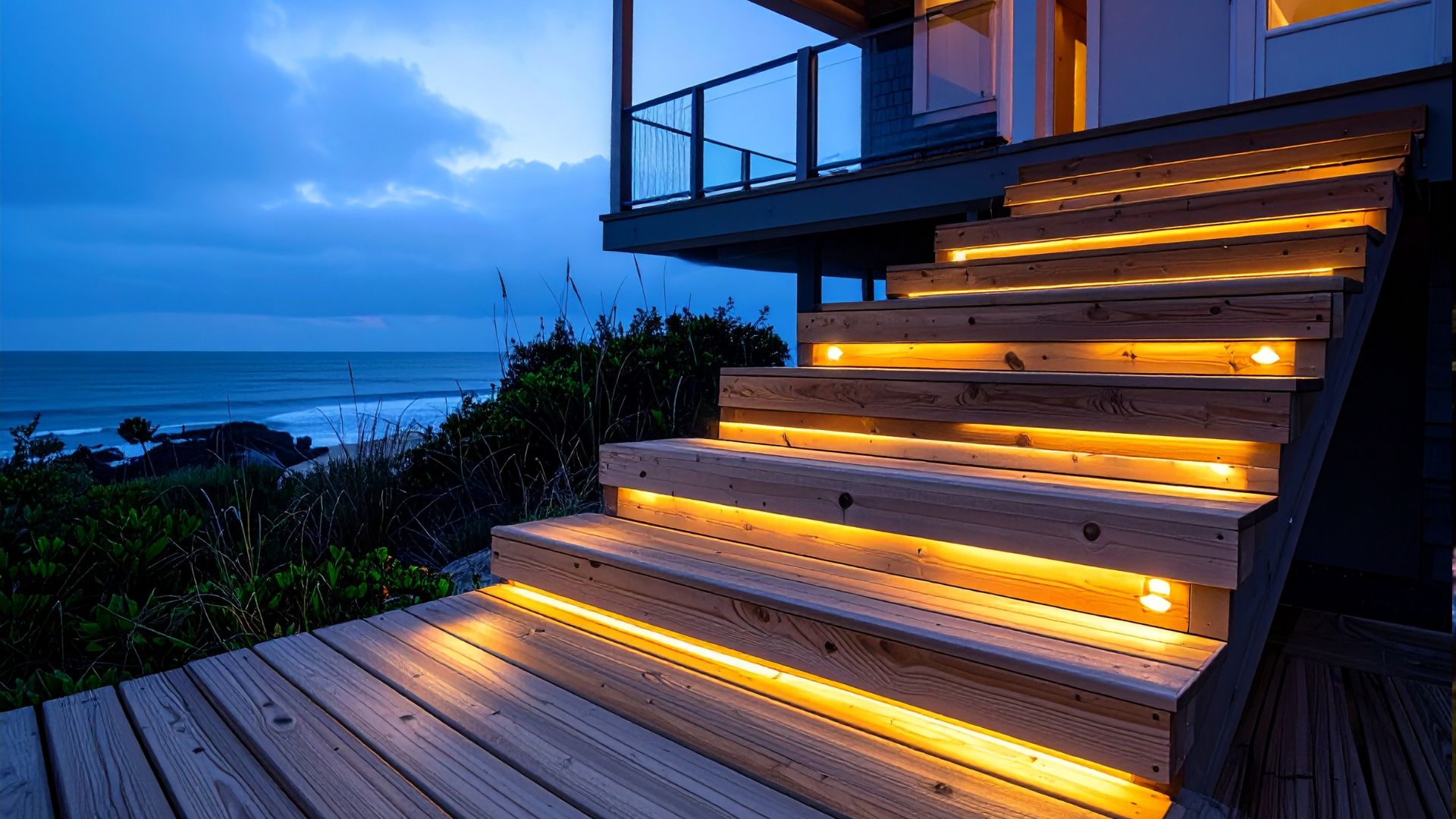
- Use Step and Recessed Deck Lighting for Subtle Guidance – Built into stairs or tucked along railings, these low-profile lights do their job without stealing the spotlight—literally. They help guests navigate at night without flooding your outdoor space with unnecessary glare.
- Go Soft with Diffused Lenses – Diffused lighting creates a gentle glow instead of a harsh beam, which keeps your space cozy and easy on the eyes. It’s a small touch that makes a big difference in how relaxing your porch or patio feels after sunset.
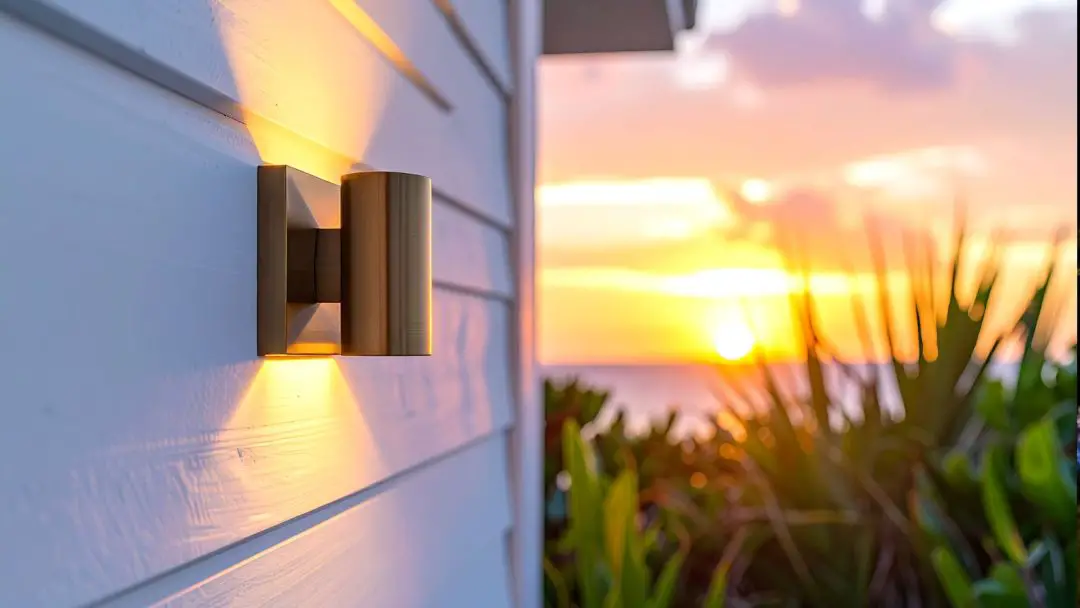
- Add a Hint of Uplighting Where It Makes Sense – Use uplights sparingly to accent trees, stone textures, or architectural features without overwhelming the scene. A few well-placed beams can highlight natural beauty and structure without shouting for attention.
- Tuck Lighting into Landscaping Elements – Hide small fixtures among grasses, behind low shrubs, or in decorative planters to keep the focus on your garden, not the gear. This approach feels organic and blends beautifully with coastal flora like palms, succulents, or dune grass.
- Opt for Dimmable Setups to Match the Moment – Whether you’re hosting a sunset dinner or enjoying a quiet solo evening, being able to dial the light up or down makes your space feel more thoughtful and lived-in. Flexibility adds comfort, and comfort is the whole point, right?
- Choose Fixtures with a Bit of Texture – Matte, brushed, or even weathered finishes tend to age more gracefully in coastal environments. They also bring a nice tactile quality that feels right at home next to driftwood, stone, and sea air.
Finding the Balance in Coastal Outdoor Lighting
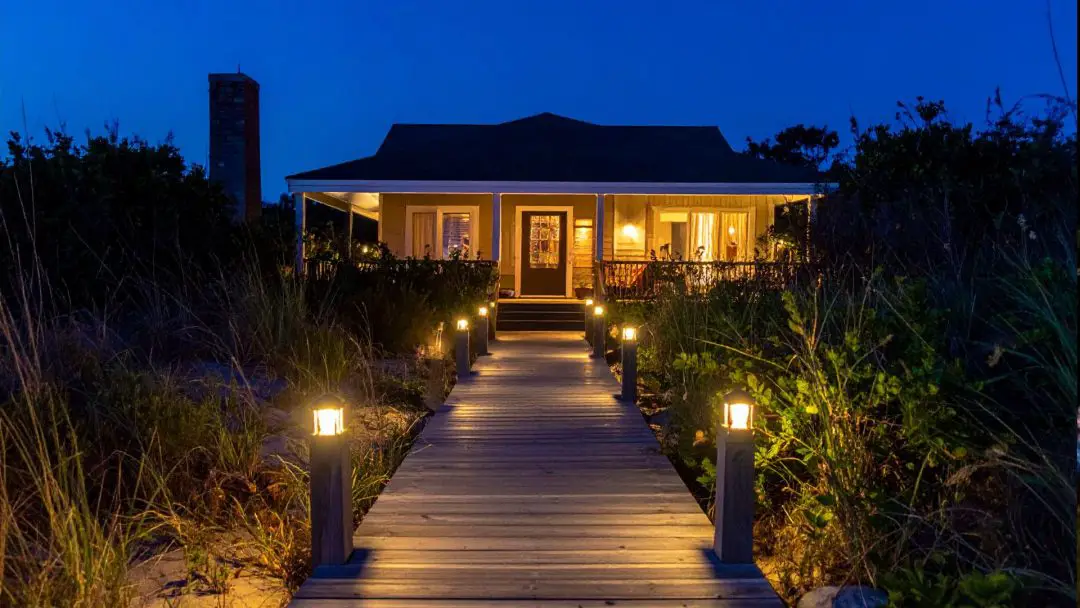
Navigating coastal outdoor lighting is a bit like learning to live by the tide—it’s all about timing, subtlety, and respect for the elements. You’re not just flipping a switch; you’re tuning in to your surroundings, thinking long-term, and letting your lights work with the landscape, not against it. When done right, it doesn’t feel like effort—it feels like everything’s in its place, from the soft glow on the boardwalk to the quiet shimmer on the patio.
And that’s really the heart of it: lighting that feels lived-in, not showy. It’s there when you need it, blends in when you don’t, and stands up to the salt, wind, and time without losing its charm. That’s coastal lighting done right—not flashy, just smart.