Nobody installs outdoor lights expecting to host a nightly reptile party, but here we are. One day you’re enjoying your nicely lit porch, and the next, you’re sharing it with a squad of lizards doing laps around the wall. It’s a little weird, kind of funny, and also just a bit too much.
They don’t knock, they don’t pay rent, and they definitely don’t clean up after themselves. And once they’ve found a spot they like, they tend to stick around—sometimes in groups. If you’ve ever opened your door at night and flinched at something darting by, you know exactly what I mean.
It might not be a crisis, but it’s definitely a situation. Today, we’re talking about what to do when your outdoor lighting setup seems to be rolling out the red carpet for lizards.
Why Do My Outdoor Lights Attract Lizards

Lizards aren’t exactly stargazing when they hang out under your outdoor lights—they’re there for something else entirely. What looks like a pleasant evening glow to you looks like dinner service to them.
Here are a few reasons your lights are turning into a lizard hotspot:
- Insects are drawn to certain types of light. Cool-toned lights like standard white LEDs and fluorescents tend to attract flying insects in droves. Naturally, the more bugs buzzing around your bulbs, the more appealing your setup becomes to any lizard with an appetite.
- Reliable lighting gives lizards a built-in routine. If your lights switch on like clockwork every night, lizards quickly learn when and where to show up. It’s like setting a nightly reservation at their favorite outdoor café.
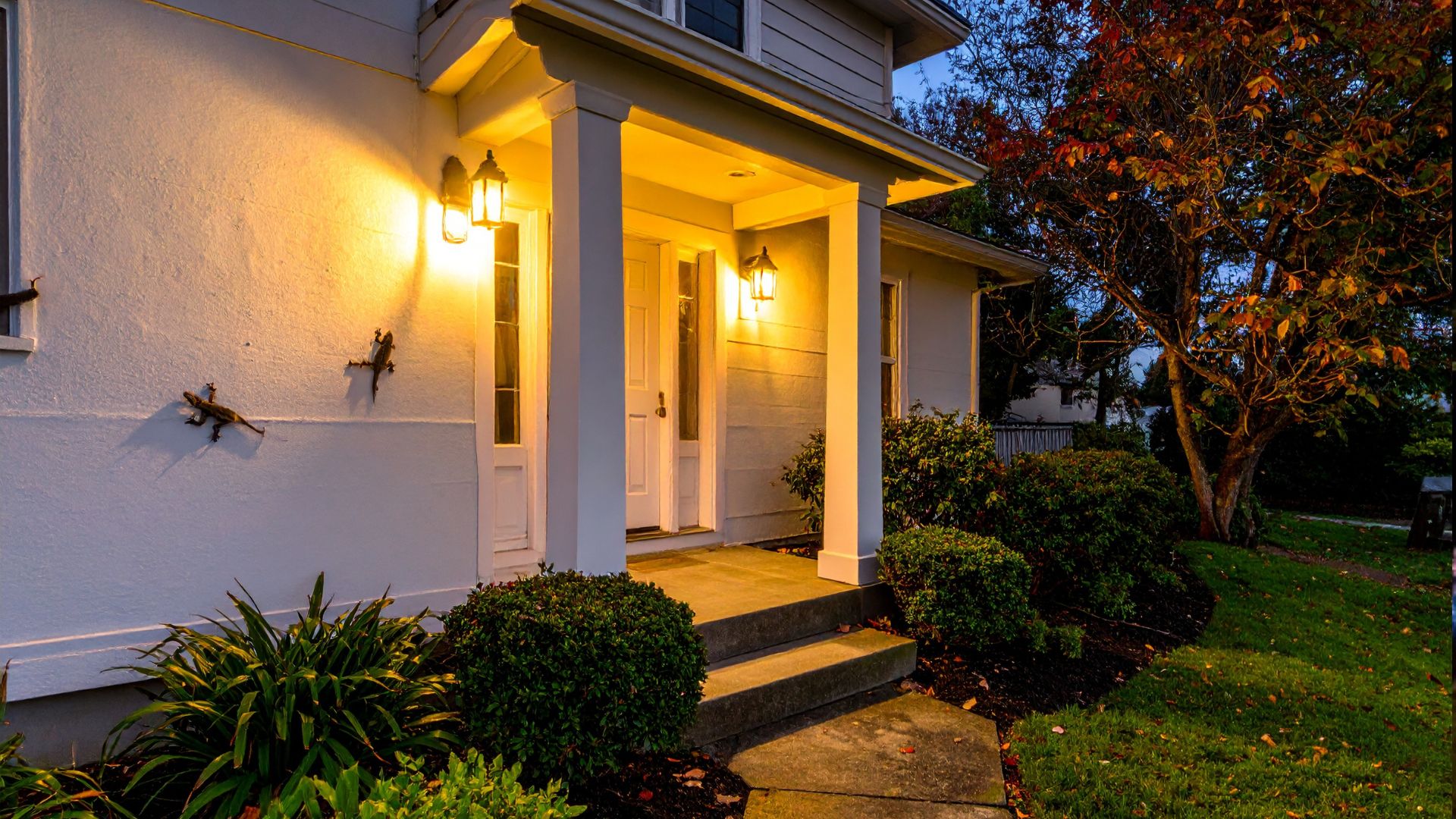
- Lighting placed near walls or corners gives them room to lurk. Lizards prefer sticking to surfaces and hiding in small spaces where they can feel safe. When your lights are mounted near textured walls, porch posts, or plants, they’ve got everything they need: shelter and snacks.
- Widespread lighting coverage brings in more bugs from all directions. Bright, uncovered lights cast wide beams that act like a beacon for insects. And where insects gather in large numbers, lizards are never far behind.
- Some bulbs give off heat, and lizards don’t mind the warmth. Incandescent and halogen lights, in particular, release noticeable warmth, especially around enclosed fixtures. For cold-blooded creatures, that makes sticking around even more comfortable.
Smart Ways to Reduce Lizard Activity Around Your Outdoor Lights
Change Your Bulbs

One of the simplest and most effective ways to make your outdoor lights less appealing to lizards is by swapping out the type of bulb you’re using. Not all bulbs attract the same level of insect activity, and fewer insects mean fewer lizards sticking around for the feast.
Here are some bulb options and tweaks that can help reduce lizard traffic around your lighting:
- Swap cool white LEDs for warm-toned ones. Cool white lights tend to include more blue and UV wavelengths, which are like magnets for flying insects. Warmer LEDs give off a softer glow and don’t draw nearly as much attention from the bug world.
- Try bulbs labeled as “bug lights.” These yellow-hued lights are made to be less visible to insects, which means fewer snacks for lizards. They’re a simple switch that makes a noticeable difference in how many critters gather around your fixtures.
- Skip the UV and full-spectrum bulbs for outdoor use. These are great for growing tomatoes indoors—not so much for lighting your porch if you’re trying to avoid a nightly insect invasion. The brighter and broader the spectrum, the bigger the bug attraction.
- Consider amber or low-pressure sodium-style lighting. These bulbs create a dimmer, orange-toned glow that doesn’t pull in as many flying bugs. They’re still bright enough for walkways and patios without lighting up your yard like an insect runway.
- Replace hot bulbs like halogens and incandescents. Besides being bug-friendly, they radiate warmth that lizards love to bask in. Switching to cooler, energy-saving bulbs removes both the heat and the crowd.
Reposition Your Lights

Sometimes it’s not just the type of bulb that matters—it’s where the light is shining. The placement of your fixtures can create perfect little lizard hangouts without you even realizing it.
Here are a few simple ways to reposition your lights to make your yard less lizard-friendly:
- Move lights away from walls and corners. Lizards love clinging to vertical surfaces and hiding in cracks, so lighting up those areas gives them both cover and a meal zone. Instead, try mounting lights a little farther out into open space where they’re less likely to linger.
- Avoid placing fixtures near plants, wood piles, or decorative rocks. These spots offer cool hiding places during the day and easy access to the bug buffet at night. By keeping lights away from natural shelter, you make it harder for lizards to settle in.
- Install fixtures higher up and point them downward. Ground-level lights can draw bugs close to surfaces where lizards can wait in ambush. Overhead lighting angled downward not only improves visibility but also keeps the action away from crawlable areas.
- Keep lights clear of overhangs, ledges, and beams. Lizards love hovering under these spots where heat and light linger. If a fixture is tucked under an eave or covered area, try relocating it to a more open position.
- Use narrower beam angles to reduce light spillage. Wide beams illuminate more area than necessary, attracting bugs from all directions. A more focused light reduces insect buildup—and with it, the lizard rush hour.
Use Motion-Activated Lighting

Lizards are creatures of habit, and when your outdoor lights stay on all night, it gives them a reliable schedule to follow. Break that routine, and suddenly your yard feels a lot less inviting to them.
Here’s how using motion-activated lighting can help keep the lizard activity in check:
- Lights only come on when there’s movement, which means fewer bugs hanging around. Insects tend to flock to steady light sources, not ones that flick on and off at random. With less insect activity, lizards lose interest quickly.
- The unpredictability throws lizards off their rhythm. If they can’t count on a consistent glow, they’re less likely to hang around and wait for food. Think of it like their favorite late-night diner changing its hours every night.
- It works well in places you pass through often, like walkways and driveways. You still get the light when you need it, but you’re not lighting up the entire yard for hours. That means fewer bugs circling and fewer reptiles watching from the shadows.
- You’ll save on energy, too. Since the lights only stay on for short periods, you’re using less electricity overall. That’s better for your utility bill and for reducing bug-related attraction.
- Most motion-activated fixtures can be customized. You can set how sensitive they are and how long they stay lit. That gives you control over both the light and the likelihood of it becoming a lizard hangout.
Best Outdoor Lighting Options to Reduce Lizard Attraction

Not all outdoor lights are created equal—some naturally attract fewer bugs, produce less heat, and help make your yard a little less welcoming to lizards. With the right fixtures in place, you can enjoy a well-lit outdoor space without turning it into a nightly reptile hangout.
Here are some lighting options that can help steer lizards elsewhere without sacrificing function or style:
- Low-glare or shielded fixtures. These are designed to direct light downward instead of spilling it everywhere, which helps keep bugs from gathering in wide, open areas. The more controlled the beam, the less likely insects (and lizards) are to flock to it.
- Bollard lights with downward-facing lenses. Perfect for walkways and garden borders, these lights focus illumination where you need it—on the ground. They keep nearby walls and plants in the dark, which gives lizards fewer places to perch and hunt.
- Recessed lighting installed in soffits or overhangs. These subtle fixtures stay hidden and cast a soft, targeted glow rather than flooding your yard with brightness. Since they don’t light up open air, they attract far fewer bugs.
- Landscape lighting with hooded covers. These lights highlight plants and paths while keeping the beam controlled and discreet. With less light bleeding into the air, fewer insects gather—and the lizards don’t find much reason to stay.
- Step or deck lights installed flush with surfaces. These compact lights provide just enough visibility for safety without acting like a beacon for bugs. Since they don’t create hovering zones, lizards aren’t drawn in to snack.
- Smart lights with adjustable brightness. Dimming your lights after a certain hour can reduce the number of insects buzzing around without turning the area completely dark. Less glow means less action for lizards hoping to catch an easy meal.
Keeping Lizards Away with Smarter Outdoor Lighting
Taming your lizard situation doesn’t mean giving up your outdoor lights—it just means using them a bit more thoughtfully. Once you realize your lighting choices might be drawing more attention than you’d like, it becomes easier to make changes that actually stick. A few simple adjustments can shift the atmosphere without taking away from the comfort and function you need at night.
When your lighting setup starts working for you instead of the local lizard population, everything feels a little more in control. You get to enjoy your yard the way you intended—well-lit, peaceful, and without the nightly parade of tiny climbers. It’s your space, after all, not a buffet for reptiles.