
Some things are meant to be heard—outdoor lights aren’t one of them. But sometimes, instead of that peaceful glow, you get an unexpected buzz or hum. It’s not deafening, but it’s just loud enough to bug you.
The noise might be faint or steady, or it might come and go, but once it catches your ear, it’s hard to ignore. You start thinking about loose parts, wiring issues, or maybe something more serious. What seems like a small annoyance could be a sign that something’s off.
Today, in this article, we’ll break down why your outdoor light is making that sound. And more importantly, what you can do about it before it turns into a bigger problem.
Common Causes of Buzzing or Humming in Outdoor Lights
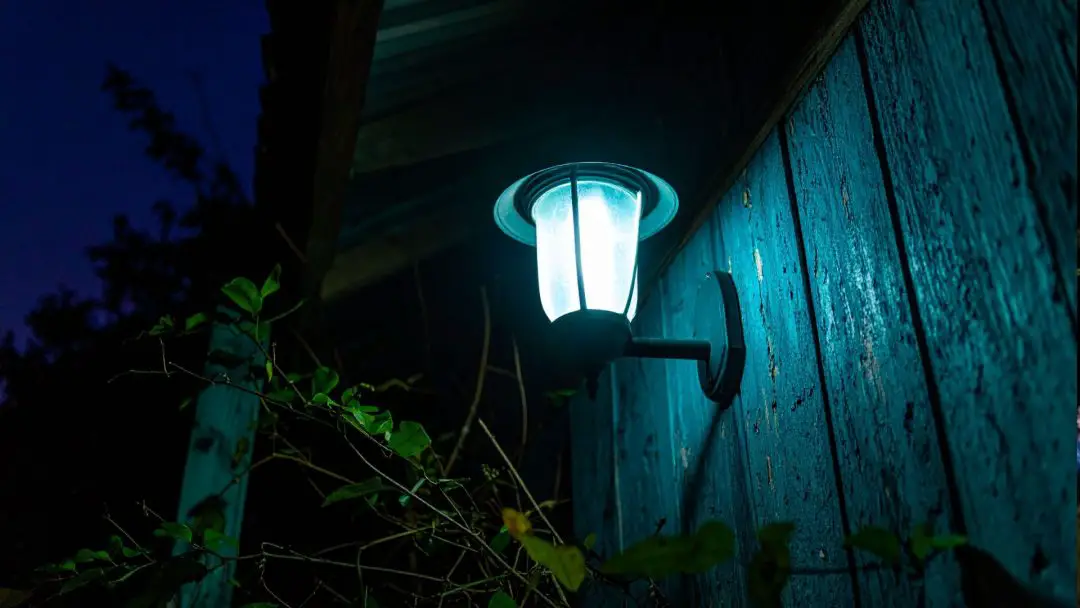
Buzzing or humming sounds from outdoor lights are usually tied to something electrical going on inside the fixture or along the circuit. The noise might be subtle or steady, but once you notice it, it tends to stick around—and it’s rarely just random.
Here are some of the most common reasons your outdoor light might be making that sound:
- Low-Quality or Loose Light Bulbs – Bulbs that aren’t seated properly or are made with subpar components can vibrate just enough to create a noticeable buzz. This happens a lot with cheaper LEDs or CFLs, especially when the base doesn’t make solid contact with the socket.
- Incompatible Dimmer Switches – Using dimmers that don’t match the type of bulb can cause all sorts of issues, including humming. This is especially common when pairing older dimmers with modern energy-efficient bulbs like LEDs or CFLs.
- Ballasts or Drivers Going Bad – Older outdoor fixtures with fluorescent or HID lights rely on ballasts, while LED fixtures use drivers to regulate power. When these components wear out or fail, they can start to hum, especially right before they give out completely.
- Electrical Interference or Vibration in the Circuit – Sometimes the problem isn’t in the fixture itself but in the flow of current on the circuit. Shared circuits, fluctuating voltage, or even nearby appliances can introduce interference that causes a hum or soft buzz.
- Overloaded Circuits or Faulty Wiring – When a circuit is taking on more than it should—or the wiring isn’t up to par—it can lead to audible buzzing as the system struggles to maintain a stable connection. This often comes with flickering lights or signs of heat around the fixture, both of which are red flags.
- Moisture in the Fixture or Connection Points – Outdoor fixtures face the elements day and night, and water has a sneaky way of finding its way in. Even a little moisture near the socket or wiring can cause that buzzing sound and might lead to bigger problems if ignored.
Types of Lights and Their Noise Levels
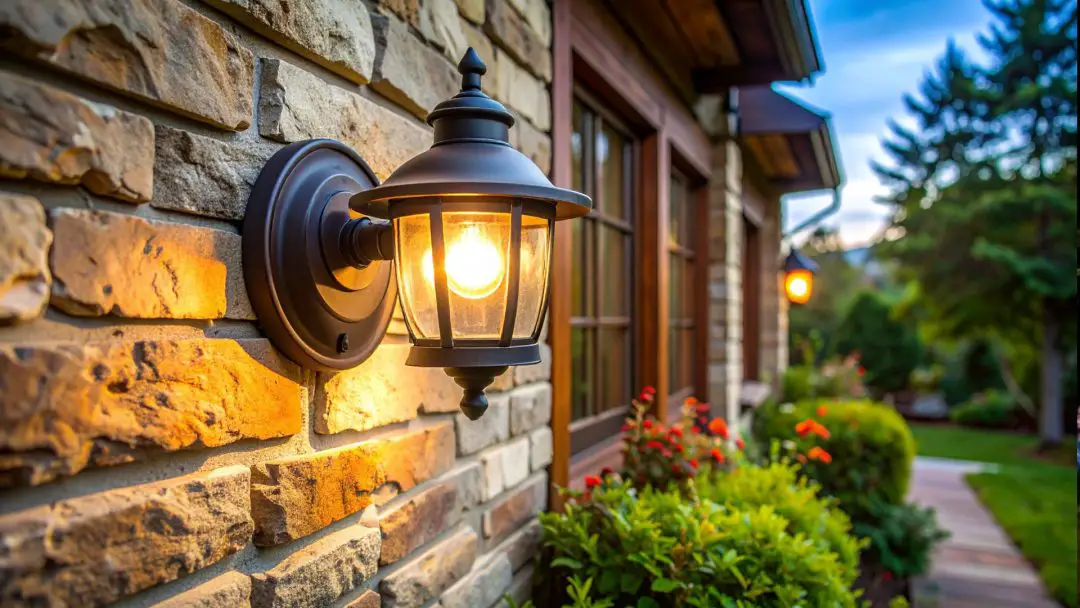
Not all outdoor lights are built the same, and some are naturally more prone to buzzing than others. The type of bulb or fixture you’re using plays a big role in whether you’ll hear that low hum—or enjoy blessed silence.
Here’s a breakdown of common outdoor light types and what kind of noise they might make:
- Incandescent Bulbs – These traditional bulbs are usually quiet and dependable when it comes to sound. If you do hear buzzing, it’s likely due to a loose filament or poor socket connection rather than the bulb itself.
- Fluorescent Lights – Fluorescents rely on ballasts to operate, and those ballasts can vibrate or hum—especially as they wear out or if they weren’t installed properly. That steady hum is common in older setups, particularly in garages or utility areas with covered outdoor fixtures.
- LED Lights – LEDs themselves don’t usually make noise, but the drivers that power them can hum if there’s a mismatch with dimmer switches or poor-quality components. The buzzing is often a sign that the system isn’t working in sync rather than a defect in the bulb.
- CFL (Compact Fluorescent Lamps) – CFLs are mini versions of fluorescent tubes and come with built-in ballasts that can sometimes hum. They’re also sensitive to temperature changes and power inconsistencies, which can make them noisier outdoors.
- HID (High-Intensity Discharge) Lights – Common in outdoor floodlights and large-area security lighting, HID fixtures almost always produce some sound due to their ballasts. As the light ages, that humming can get louder, especially during startup.
- Solar-Powered LED Lights – These are generally the quietest option, since they don’t draw from your home’s electrical system. Occasionally, a faulty inverter or controller might buzz, but with quality models, that’s not something you should expect.
How to Fix the Buzzing and Humming Sounds in Your Outdoor Lights

Once you’ve figured out what’s causing the sound, fixing it is often simpler than it seems. That said, whenever electricity is involved, safety should always come first—if you’re unsure at any point, it’s best to call a licensed electrician.
A few practical fixes can help stop the noise and keep your lighting safe and steady:
- Tighten or Replace the Bulb – A bulb that’s slightly loose or not seated properly can vibrate just enough to cause a hum. Turn off the power, tighten the bulb gently, and if the noise continues, swap it for a high-quality, outdoor-rated replacement.
- Use the Right Dimmer Switch – Older dimmers often don’t get along with modern LED or CFL bulbs, and that mismatch can lead to buzzing. Replacing the dimmer with one designed specifically for your bulb type usually clears up the issue—just make sure the new dimmer is rated for outdoor use if it’s controlling exterior fixtures.
- Look for Moisture or Corrosion – Outdoor lights are exposed to the elements, and over time, moisture can sneak into the fixture and reach the wiring. If you notice rust, water droplets, or a musty smell, turn off the power at the breaker before opening the fixture and drying or replacing any affected parts—better yet, let a pro handle it.
- Replace a Worn-Out Ballast or Driver – If your light uses a ballast (common in fluorescents or HID fixtures) or an LED driver, and it’s starting to hum, the component could be nearing the end of its life. Replacing these parts can bring back quiet performance, but since this involves wiring and electrical components, it’s safest to leave the job to a professional.
- Check for Overloaded Circuits – Too many lights or devices on one circuit can cause it to strain, creating a soft buzzing sound as the load exceeds what it was designed to handle. If you suspect this is the case, reduce the load or have an electrician assess the setup and possibly split the circuit for better balance.
- Call a Licensed Electrician if You’re Unsure – If you’ve gone through the basics and the noise still won’t go away—or if anything looks off inside the fixture—it’s time to bring in a professional. An electrician can safely inspect everything from wiring to grounding and make sure your outdoor lights are running smoothly and safely.
How to Prevent Future Buzzing or Humming Sounds in Your Outdoor Lighting

Fixing a buzzing light is great—but keeping it from happening again is even better. With the right setup and a little routine care, you can enjoy quiet, reliable lighting without any unwanted sounds.
Here are a few easy ways to keep your outdoor lights humming-free in the long run:
- Choose High-Quality, Outdoor-Rated Bulbs and Fixtures – Lights made for outdoor use are designed to handle moisture, temperature shifts, and other environmental stress without breaking a sweat—or making a sound. Cheap or indoor-rated bulbs, on the other hand, are more likely to vibrate or wear out quickly.
- Use the Right Dimmer for Your Bulbs – Dimmers aren’t one-size-fits-all, especially when it comes to LED and CFL bulbs. Using a compatible dimmer helps prevent buzzing, flickering, and other power regulation issues that can creep in over time.
- Protect Fixtures from Moisture – Even well-made fixtures can start to hum if water gets inside. Check seals regularly, make sure everything is tightly closed, and consider adding a weatherproof cover or gasket for extra protection.
- Inspect Your Setup Every Few Months – A quick check here and there can save you time (and noise) later on. Look for rust, loose screws, discoloration, or any signs of wear that might affect how your light runs.
- Be Mindful of Circuit Load – Connecting too many lights or devices to the same circuit can strain the system and cause humming over time. If you’re expanding your outdoor lighting, think about spreading the load across multiple circuits to keep everything running smoothly.
- Hire a Pro for Installations and Upgrades – If you’re not sure what’s compatible or how much your system can handle, it’s best to ask a licensed electrician. They’ll get things set up safely, quietly, and up to code—so you can enjoy the glow without the buzz.
When Outdoor Lights Start Humming, It’s Time to Listen
A little noise from your outdoor lights isn’t always a reason to worry—but it’s definitely a reason to look closer. That buzzing or humming could be a gentle reminder from your lighting system that something’s not quite right. It might be a minor issue today, but ignoring it could turn it into something far more annoying—or expensive—down the line.
Thankfully, most fixes are straightforward if you catch them early. But if you’re ever unsure or don’t feel confident poking around your electrical setup, it’s always smart (and safer) to call in a professional. A well-lit yard should bring peace of mind—not background noise.