The straightforward answer is yes but with a caveat. Most outdoor solar lights are designed to be water-resistant, a crucial feature given their exposure to the elements.
However, the degree of waterproofing can vary significantly. They are generally crafted to withstand rain, snow, and sprinkler water, making them suitable for various weather conditions.
This resilience is typically indicated by an Ingress Protection (IP) rating, which tells you just how much water and dust the lights can handle.
Understanding this rating helps you select the right lights for your needs, ensuring they stay bright and functional no matter what Mother Nature throws their way.
This article aims to answer the above question in full detail, as well as other queries that will help you make wiser and better decisions regarding outdoor solar lights.
Are Outdoor Solar Lights Waterproof?
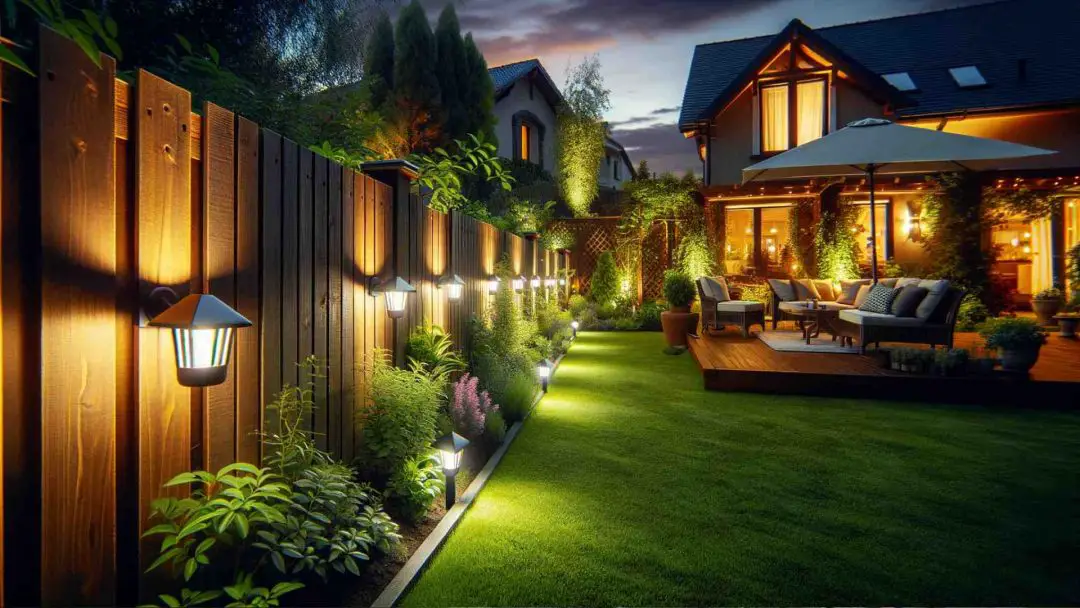
Most of them are, but it is important to check the level of the IP rating to be sure, read below what IP is
Understanding Waterproof Ratings in Outdoor Solar Lights
Diving deeper into the waterproof nature of outdoor solar lights, it’s essential to understand what the term ‘waterproof’ really implies in this context.
Waterproof doesn’t mean these lights are impervious to water under any circumstances. Instead, it refers to their ability to resist a certain level of water exposure without sustaining damage.
The key to this capability lies in the Ingress Protection (IP) rating system, a standardized scale used to define levels of sealing effectiveness of electrical enclosures against intrusion from foreign bodies and moisture.
For outdoor solar lights, IP ratings like IP65, IP66, or IP67are common. These ratings indicate that the lights are protected against dust ingress and can withstand varying degrees of water exposure, from rain and splashing to short periods of immersion in water.
The durability of outdoor solar lights in wet conditions is also influenced by their design and construction materials.
Lights with higher IP ratings typically feature robust, water-resistant materials like high-grade plastics or treated metals, along with seals and gaskets that prevent water from entering sensitive areas like the battery or LED.
It’s important to note that while higher IP ratings generally indicate better water resistance, they may also come with a higher price tag. Therefore, when selecting outdoor solar lights, consider the typical weather conditions in your area and choose a product with an appropriate IP rating.
This consideration ensures your lights are not only aesthetically pleasing and functional but also durable enough to withstand the elements, providing reliable illumination for your outdoor spaces.
Looking for a waterproof outdoor solar lights? Check out this product:

Is It OK to Leave Solar Lights Out in Winter?

Yes it’s OK
When considering whether it’s okay to leave solar lights out in winter, the primary concern revolves around their ability to withstand cold temperatures and reduced sunlight exposure.
Most outdoor solar lights are designed to cope with a range of weather conditions, including the colder months.
However, the efficiency of solar panels can be affected by shorter daylight hours and the angle of the sun during winter, leading to reduced charging and, consequently, shorter illumination times.
Additionally, extreme cold can impact battery performance. Solar lights typically use rechargeable batteries, which may have reduced capacity or a slower chemical reaction rate in colder temperatures, affecting the light’s overall functionality.
To ensure your solar lights remain effective throughout winter, these are several measures you can take:
- Optimal Placement: Position solar lights in areas that receive the most sunlight during the day for improved charging.
- Regular Cleaning: Keep solar panels clear of snow, ice, or debris to maintain efficiency.
- Check Temperature Tolerance: Consult the manufacturer’s specifications for the lights’ tolerance to low temperatures.
- Specialized Lights for Harsh Winters: Consider solar lights designed for extreme winter conditions, featuring enhanced battery performance and more durable materials.
- Consider Storage: In areas with severe winter weather, think about storing solar lights during the peak winter months.
- Understand Limitations: Be aware of your product’s limitations and perform proper maintenance to ensure longevity and effectiveness through winter.
Can Outdoor Solar Lights Freeze?

The question of whether outdoor solar lights can freeze is pertinent, especially for those living in regions with harsh winter conditions.
Technically, the solar lights themselves don’t “freeze” in the traditional sense, as they don’t contain water.
However, extreme cold can affect the components within the lights. The most vulnerable part of a solar light in freezing conditions is its battery.
Batteries in solar lights are typically either lithium-ion or nickel-metal hydride (NiMH). In freezing temperatures, the chemical reactions within these batteries slow down significantly, leading to reduced efficiency.
This means that while the lights won’t freeze and break due to ice formation, their ability to store and release energy can be significantly hampered by cold temperatures.
To mitigate these challenges, it’s important to understand how to care for solar lights during winter:
- Battery Type Matters: Prefer lithium-ion batteries over NiMH, as they are more efficient in cold weather.
- Bring Lights Indoors: Temporarily bring solar lights inside during extreme cold spells to preserve battery life.
- Regular Maintenance: Ensure solar panels are clear of snow and ice to maximize sunlight absorption.
- Periodic Checks: Consistently check the lights for any weather-related damage or reduced functionality.
- Extended Lifespan: These steps help in extending the lifespan and maintaining the effectiveness of your solar lights throughout winter.
Navigating Through Nature: The Durability of Outdoor Solar Lights

In wrapping up, it’s clear that outdoor solar lights are designed with durability in mind, particularly regarding water resistance.
Their ability to withstand various weather conditions, as indicated by their Ingress Protection (IP) ratings, makes them a reliable choice for outdoor lighting.
From gentle rains to more challenging weather scenarios, these lights are built to endure.
However, it’s important for consumers to pay attention to the specific IP ratings and choose lights that align with the environmental demands of their location.
By doing so, you can ensure that your outdoor solar lights not only enhance the beauty of your outdoor spaces but also offer consistent, resilient performance over time.